Medications – Guides, Alternatives & Buying Tips
If you’re looking for straight‑forward advice about medicines, you’ve landed in the right spot. Here we break down how to buy drugs safely online, compare popular meds, and point out solid alternatives when your first choice isn’t a fit. All the info is vetted, easy to read, and ready to help you make smarter health decisions.
How to Choose Safe Online Pharmacies
Buying medication on the internet can feel risky, but it doesn’t have to be. First, check that the site requires a prescription for prescription‑only drugs – legit pharmacies won’t skip this step. Look for clear contact info and a physical address; hidden or vague details are red flags. Reviews from other buyers give you a sense of reliability, so skim a few before committing.
Price matters, too, but the cheapest option isn’t always best. Compare costs across trusted sites and factor in shipping fees. If a deal looks too good to be true, it probably is. Our guide on buying Femara online walks you through reputable sources, price ranges, and legal considerations for 2025.
Finding the Right Medication Alternative
Sometimes your doctor’s first pick isn’t suitable – allergies, side effects, or personal preference can all play a role. That’s why we’ve compiled easy‑to‑follow lists of alternatives. Need a backup for Ventolin? We cover seven different inhalers and oral options that work well for many patients.
Looking at cholesterol meds? Our article on Rosuvastatin alternatives compares ten other statins, highlighting how they differ in strength and side‑effect profiles. For migraine relief beyond Inderal, we explore topiramate and newer CGRP inhibitors with practical tips on dosing and lifestyle tweaks.
Each guide gives you a quick rundown of what the drug does, who it helps most, and any downsides to watch out for. That way you can talk to your doctor armed with clear facts instead of vague jargon.
Beyond individual drugs, we also review online pharmacy platforms like modapharma.com for smart‑drug purchases and compare them with other services such as mpncanada.com. These reviews focus on product range, safety measures, and overall value, helping you pick the site that fits your needs.
Whether you’re a patient hunting for cost‑effective options or just curious about how certain meds work, this category page gives you direct access to all our latest articles. Bookmark it, explore the posts that match your interest, and stay informed without wading through medical fluff.

How to Safely Handle Missed Pediatric Medication Doses
Missed medicine happens to every parent, but what you do next matters. Learn safe time-based protocols for pediatric dosing, why doubling is dangerous, and when to call your doctor.

Lithium and NSAIDs: Understanding Nephrotoxicity Risks and Drug Interactions
Mixing lithium and NSAIDs can dangerously increase kidney damage and toxicity. Learn how this drug interaction works, which painkillers are unsafe, and practical alternatives like acetaminophen to stay safe.

Statins in Liver Disease: Safety and Cardiovascular Benefit
Statins are safe and beneficial for patients with liver disease, reducing cardiovascular risk and liver complications like variceal bleeding. Evidence now supports their use even in cirrhosis, contrary to outdated safety concerns.

Tingling and Numbness from Medications: What to Do When It Starts
Tingling and numbness from medications aren't just side effects-they're early signs of nerve damage. Learn which drugs cause it, how to spot it early, and what to do before it becomes permanent.

Morning Coffee and Levothyroxine: How to Space Doses for Better Absorption
Drinking coffee too soon after taking levothyroxine can cut absorption by over 50%. Learn how spacing your coffee by just 60 minutes improves thyroid hormone levels - and why liquid formulations may be the best solution for daily coffee drinkers.
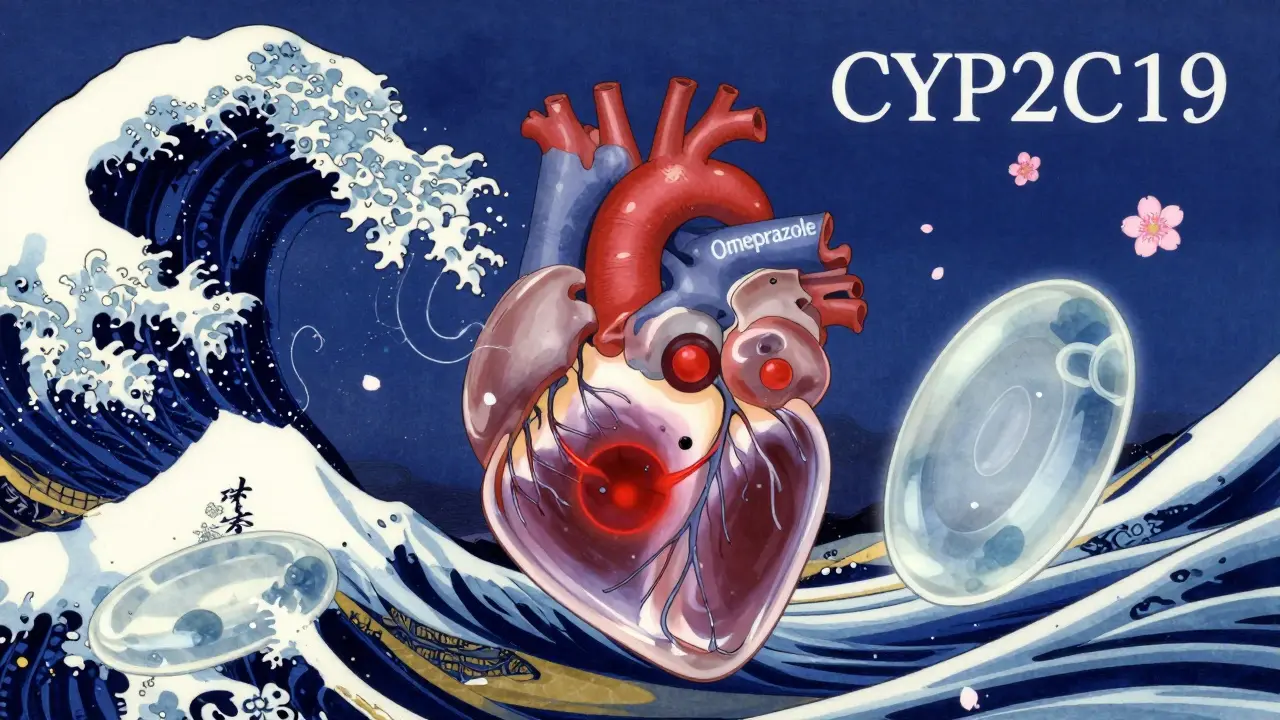
Clopidogrel and Proton Pump Inhibitors: What You Need to Know About the Reduced Antiplatelet Effect
Clopidogrel and certain PPIs like omeprazole can interact, reducing clopidogrel’s antiplatelet effect and increasing heart attack risk. Pantoprazole and rabeprazole are safer alternatives. Know which PPIs to avoid and what to ask your doctor.

Therapeutic Equivalence Codes: How the FDA Determines If Generic Drugs Can Be Substituted
Therapeutic equivalence codes from the FDA tell pharmacists which generic drugs can be safely swapped for brand-name medications. Learn how the Orange Book's A and B ratings work, why some generics aren't interchangeable, and how this system saves billions in healthcare costs.

Common Myths About Medication Side Effects Debunked
Many people quit medications due to myths about side effects - but stopping without medical advice can be dangerous. This article debunks the most common myths about antibiotics, statins, OTC painkillers, and more, backed by real data and clinical studies.

Complex Generic Formulations: Why Proving Bioequivalence Is So Hard
Complex generic formulations like inhalers, creams, and injectables are hard to copy because they don’t work the same way as pills. Proving they’re as effective as the brand name requires new science - and the system isn’t ready.

Antihistamines and Glaucoma: Why Certain Allergy Medications Can Trigger Vision Loss
Certain allergy medications can trigger sudden vision loss in people with narrow-angle glaucoma. Learn which drugs to avoid, how to stay safe, and what to do if you're at risk.