

The Real Risk of Missing a Dose
Moments of panic happen when a schedule gets thrown off. You wake up, check the clock, and realize bedtime meds weren't given last night. It feels like the end of the world, but taking action immediately often creates more risk than waiting. According to the American Academy of Pediatrics, medication errors contribute to 11 percent of preventable adverse events in pediatric hospital settings. For a parent managing medications at home, understanding the protocol for missed doses is your first line of defense against harm.
The core issue isn't usually forgetting once. It is what people do after they remember. Many caregivers instinctively want to catch up immediately, leading to accidental overdoses. In fact, studies show that 63 percent of caregivers admit to occasionally doubling doses just to get back on track, despite knowing the risks. This practice ignores the specific metabolic capabilities of children under twelve, who process drugs differently than adults. When you understand the science behind missed dose protocols, the anxiety drops significantly.
Never Double Up on Medication
This is the single most critical rule in pediatric pharmacology. Under no circumstances should you give two doses at once to "make up" for a missed one. Dr. Sarah Verbiest, Director of the National Center for Family Professional Partnerships, highlights that doubling doses creates a 278 percent higher risk of severe adverse reactions in children. Their immature metabolic pathways struggle to clear the excess drug quickly, potentially leading to toxicity rather than healing.
If you miss a dose and then realize it right before the next scheduled time, skip the missed one entirely. This might sound counterintuitive. Why not just give it? Because giving it too close to the next dose effectively spikes the concentration of medication in the blood. By skipping the late dose, you maintain a safer baseline level and simply resume the normal routine at the next interval.
Time Thresholds by Frequency
Not all schedules work the same way. A missed dose in the middle of the night follows different logic than a morning dose. Guidelines vary based on how often the medication is taken throughout the day. These aren't just guesses; they are clinical thresholds designed to keep drug levels within a therapeutic window.
Once-Daily Dosing: If the medication is supposed to be taken once every 24 hours, you have a 12-hour buffer. If you remember the dose within 12 hours of the scheduled time, give it. If it has been longer than 12 hours, skip it completely and wait for the next scheduled time.
Twice-Daily Dosing: For medications taken every 12 hours, the window tightens to 6 hours. If less than 6 hours have passed since the due time, administer the medicine. If more than 6 hours have gone by, skip that dose.
Three Times Daily: With three doses spaced across a day, you generally have a 3-hour grace period. If it is within 3 hours of the missed time, go ahead. Beyond that window, leave it.
Four Times Daily: When medication is required every 4 hours or six times a day, the threshold shrinks to just 2 hours. After 2 hours have elapsed since the scheduled time, skipping the dose is safer than administering it late.
| Dosing Frequency | Grace Period | Action if Late |
|---|---|---|
| Once Daily | Less than 12 Hours | Give Dose |
| Twice Daily | Less than 6 Hours | Give Dose |
| Three Times Daily | Less than 3 Hours | Give Dose |
| Four Times Daily | Less than 2 Hours | Give Dose |
| If outside the grace period, Skip the dose and resume normal schedule. | ||
Cincinnati Children's Hospital Medical Center reinforces this general principle with their own liquid medication guidelines. They emphasize "do not skip doses" as a primary goal but clarify that if it is almost time for the next dose, the missed dose must be abandoned. This ensures the body clears the medication properly without toxic buildup.
Liquid Medications and Measurement Errors
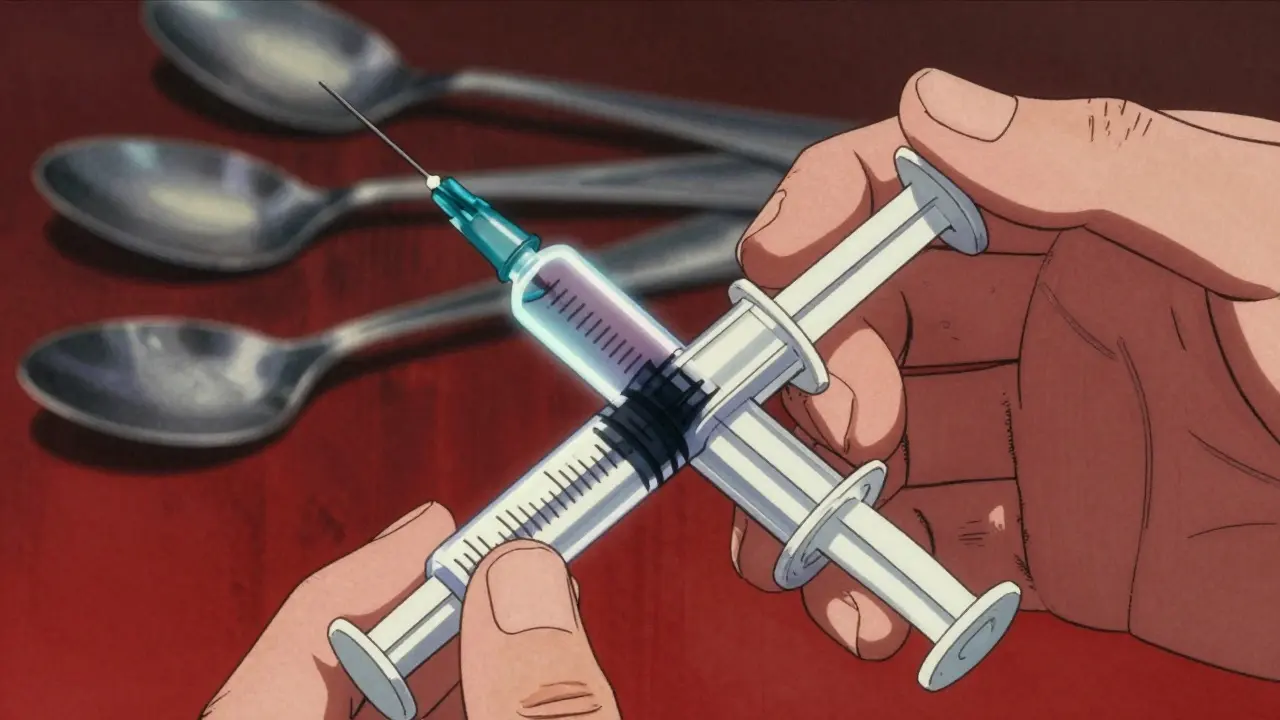
Many parents assume they know how much medicine to give, but kitchen spoons lie. The FDA issued a warning highlighting that teaspoon and tablespoon confusion contributes to significant dosing errors. Research indicates that using household spoons instead of medical tools increases measurement errors drastically. An oral syringe calibrated in milliliters reduces these errors by 58 percent compared to standard spoons.
It is also vital to note the volume versus concentration. A study by the Canadian Pediatric Society found that communication failure was the root cause of 65.3 percent of errors. Some parents record the milliliters measured, while others focus on the active ingredient. Standardizing documentation to specify both volume and actual dose prevents concentration-related mistakes. Always check the label on the bottle for concentration changes, as formulations can change even for the same brand name drug.
High-Risk Medications and Oncology
General rules do not apply to every single pill. Certain categories of medicines carry high stakes where strict timing is non-negotiable. The National Patient Safety Agency classifies medications into risk categories, labeling some as "red" for high-risk status. Strikingly, analysis shows 25 percent of these red-category medications had no missed dose instructions in their patient leaflets. This leaves families guessing on critical therapies.
Oncology medications represent the most sensitive category. Treatment efficacy in cancer therapy often relies on maintaining consistent drug levels. Even a single missed dose could compromise the treatment cycle. If a dose is missed in these cases, the protocol is not to guess. Immediate provider notification is required. Oncology teams adjust regimens based on real-time lab results and toxicity markers, so acting without their advice is dangerous.
Other classes like antibiotics for acute infections also fall into this gray area. While general guidelines suggest skipping if late, parents of children with complex medical needs report 2.7 times more medication errors. For these children, individualized schedules created by the care team take precedence over general internet advice.

Tools to Prevent Anxiety
Anxiety leads to mistakes. When you feel overwhelmed by multiple bottles, the likelihood of error jumps. Data suggests children with medical complexity manage four or more medications simultaneously, increasing error risk by 300 percent. To combat this, healthcare providers increasingly recommend technology aids.
The American Academy of Pediatrics launched a Pediatric Medication Safety Calculator app in 2023, providing real-time guidance based on medication type and time missed. Beta testing showed an 83 percent improvement in caregiver decision accuracy. Using such apps removes the mental math and the fear of miscalculating time windows.
Physical reminders also play a huge role. Smart medication dispensers are emerging as a solution, reducing missed doses by 68 percent in clinical trials. Additionally, the "Teach-Back" method used at Cincinnati Children's reduced missed dose errors by 37 percent. In this method, parents demonstrate the timing rules back to the staff before leaving discharge. It confirms understanding rather than just listening.
When to Call the Doctor
Despite the guides and charts, some scenarios require a professional touch. You should contact your pediatrician if:
- The medication causes vomiting immediately after administration.
- You missed more than one dose in a row.
- The child has symptoms of overdose like extreme drowsiness or rapid breathing.
- You are unsure about the concentration of the liquid.
Dr. Michael R. Anderson's study noted that 73.8 percent of morphine deviations resulted from weight estimation errors. If your child's weight has changed significantly, the dose calculation itself might need adjustment, regardless of whether a dose was missed. Routine use of length-based resuscitation tapes helps verify weight estimations, reducing weight estimation errors by 42 percent.
What should I do if I forget my child's antibiotic?
For most antibiotics, follow the standard time thresholds. If it's within the 3 to 6-hour window depending on frequency, give it. Otherwise skip it. Do not double up. If the antibiotic is for a serious infection, call the pharmacist to confirm.
Can I give a missed dose right before bedtime?
Check the gap between the missed dose and the next one. If giving it now means the next morning dose will be too soon, skip the night dose. Prioritize keeping a steady level in the blood rather than making up the missed amount.
Why is doubling the dose dangerous for kids?
Children have immature metabolic pathways. Doubling the dose creates a 278% higher risk of severe reactions because their bodies process chemicals slower than adults. This can lead to overdose toxicity quickly.
Do I need special tools to measure liquid meds?
Yes, always use an oral syringe or the cup provided by the pharmacist. Household spoons vary widely in size and can lead to dangerous under or overdosing. Using a proper tool reduces errors by nearly 60%.
When should I contact my doctor about a missed dose?
Contact your doctor if you missed a high-risk medication like chemotherapy, if your child vomits the medicine, or if you missed multiple doses consecutively. Trust professional judgment over internet advice in critical situations.






Victor Ortiz
April 1, 2026 AT 05:03The statistics cited in this read are obviously cherry-picked to fit the narrative. Nobody is perfect but relying on buffers ignores biological reality. Metabolism varies wildly between ages. You think skipping is safe when half life differs. It is dangerous laziness disguised as safety. 😤 People ignore pharmacokinetics completely. Doubling doses is actually less harmful than under dosing chronic issues sometimes. Do not trust generic charts. They simplify too much for complex kids. 🧬
Amber Armstrong
April 2, 2026 AT 12:22I hear your frustration but anxiety drives us to do terrible things when we panic. We need to remember how scary it feels when the child wakes up crying. I held my son in the middle of the night wondering if I failed him. The clock ticking sounds louder than anything else in the world. We tried the syringe method early on but still made mistakes often. Doctors explained the buffer zones later during our discharge appointment. We realized waiting was safer than forcing medicine down throats. My partner almost doubled up once before reading the leaflets thoroughly. That scare taught us never to rush the administration process again. Understanding the windows gave us back control over the situation eventually. We stopped counting minutes obsessively after learning the rules clearly now. It helps to have written protocols posted above the kitchen counter permanently. Fear leads to errors when parents feel alone in the dark. Compassion for ourselves matters as much as caring for the little ones too. We heal faster when we stop punishing ourselves for human slips.
Charles Rogers
April 4, 2026 AT 08:28Discipline determines the outcome of these situations entirely. Parents who fail to maintain schedules set the child up for failure medically. You cannot blame the system when you ignore the clock face daily. Responsibility falls on the caregiver to track intake accurately. Most errors stem from complacency rather than malicious intent. Laziness kills more children than rare side effects ever will. Strict adherence prevents toxicity buildup effectively. Deviation creates unnecessary risk for developing organs constantly. Adults must mature enough to handle medication regimens professionally.
Adryan Brown
April 5, 2026 AT 09:49It is easy to judge but raising children involves constant unpredictability factors. Stress impacts memory function regardless of how disciplined one appears outside home. We all struggle to balance work and caregiving duties simultaneously. Criticism rarely changes behavior when guilt already weighs heavily on hearts. Support systems help parents maintain accuracy better than scolding does. Everyone deserves a second chance when they make honest mistakes. Building resilience in family dynamics reduces error rates long term significantly. Patience breeds safety while anger obscures clear thinking abilities.
Christopher Curcio
April 6, 2026 AT 08:09Bioavailability indices shift significantly depending on gastric pH levels in pediatric patients. Therapeutic window maintenance requires strict attention to clearance rates and volume distribution. CYP450 enzyme activity matures differently across developmental stages. Pharmacokinetic modeling suggests skipping late doses preserves peak concentration thresholds effectively. Subtherapeutic levels compromise infection eradication protocols slightly. Renal excretion pathways dictate elimination half-life variations substantially. Monitoring drug plasma levels becomes critical in high-risk scenarios. Clinical guidelines prioritize patient safety over rigid timing adherence mechanisms. Dosage calculations must account for weight-based velocity parameters.
Angel Ahumada
April 8, 2026 AT 05:12the deeper meaning lies beyond mere numbers though... parenting is a zen state... fear clouds judgement often... we forget the soul of healing matters... precision is good but love heals wounds... do not let math replace empathy... the essence of care transcends dosage charts... inner peace regulates external actions better... listen to intuition also
Kendell Callaway Mooney
April 9, 2026 AT 03:03Just grab the correct syringe from the pharmacist box immediately. Check the label for milliliter markings every single time before pouring liquid. Do not guess the amount using kitchen spoons. Write down the exact dose and time in a notebook clearly. Resetting the routine after a miss takes discipline but keeps kids safe. If unsure about timing simply skip the old pill entirely. Next scheduled time starts fresh cycle automatically. Safety tools prevent accidental overdosing quickly and reliably.
dPhanen DhrubRaaj
April 10, 2026 AT 20:26Exactly what we need here
Vikash Ranjan
April 12, 2026 AT 00:31These general rules fail with chronic conditions significantly. Oncology patients need direct doctor contact for every missed instance. General internet advice ignores specific cancer therapy protocols entirely. Some medications require immediate intervention instead of waiting periods. Skipping could mean treatment resistance develops rapidly. Protocols vary by institution so local guidelines rule supreme. Parents must verify individualized plans before applying broad recommendations online. Risk assessment demands personalized medical history review every time.
RONALD FOWLER
April 13, 2026 AT 08:40You raise valid points regarding complex care requirements. High stakes therapies need professional oversight without exception. Standard advice works for common colds but not severe illnesses. Contacting the specialist team ensures safety margins hold up. Trusting providers prevents bad outcomes from occurring unexpectedly. Thanks for adding context to the discussion here.