
OTC Medicine Abuse: What Happens When You Misuse Common Painkillers and Cough Syrups
When you think of drug abuse, you probably picture illegal street drugs—but OTC medicine abuse, the misuse of over-the-counter medications like painkillers, cough syrups, and decongestants. Also known as non-prescription drug misuse, it’s a quiet crisis hiding in bathroom cabinets and grocery store aisles. People don’t realize that pills you can buy without a prescription can be just as dangerous as prescription drugs when taken in large amounts, for long periods, or for reasons other than what they’re meant for.
Cough syrup addiction, often driven by dextromethorphan (DXM), a common ingredient in cold meds. Also known as DXM abuse, it’s especially common among teens looking for a high. At high doses, DXM causes hallucinations, loss of coordination, and even respiratory failure. Meanwhile, decongestant abuse, like using nasal sprays for weeks on end. Also known as rebound congestion, it creates a cycle where your nose gets worse the more you use it—leading people to take more, then more again. And let’s not forget painkiller overdose, from taking too much acetaminophen or ibuprofen. Also known as OTC analgesic toxicity, it’s the leading cause of acute liver failure in the U.S.—and most people don’t even know they’re overdosing until it’s too late. These aren’t edge cases. They’re everyday mistakes made by people who think, "It’s just an OTC pill. It can’t hurt me."
Part of the problem is how easy these drugs are to get. No prescription. No doctor visit. No stigma. But just because you can buy them next to gum and batteries doesn’t mean they’re safe to use however you want. The same pills that help you sleep through a headache can wreck your liver if you take 10 at once. The nasal spray that clears your sinuses today can make them worse tomorrow. The cough syrup that quiets your cough can send you to the ER if you mix it with alcohol or antidepressants. And here’s the kicker: most people who abuse OTC meds don’t think they’re addicts. They’re just trying to sleep better, manage chronic pain, or cope with stress. But the body doesn’t care about your intentions. It reacts to the dose. And over time, your brain starts needing more to feel normal. That’s addiction. That’s dependence. That’s danger. The posts below dig into exactly how this happens. You’ll find real stories behind expired pills, the hidden risks of mixing common meds, how storage affects potency, and why switching generics can sometimes be riskier than you think. You’ll learn what happens when you take too much ibuprofen, why kava can make sedatives deadly, and how smart pill dispensers are helping people break the cycle of misuse. This isn’t about scare tactics. It’s about clarity. You deserve to know what’s really in those bottles—and what they can do to you when used the wrong way.Why OTC Abuse Feels Harmless—Until It Isn’t
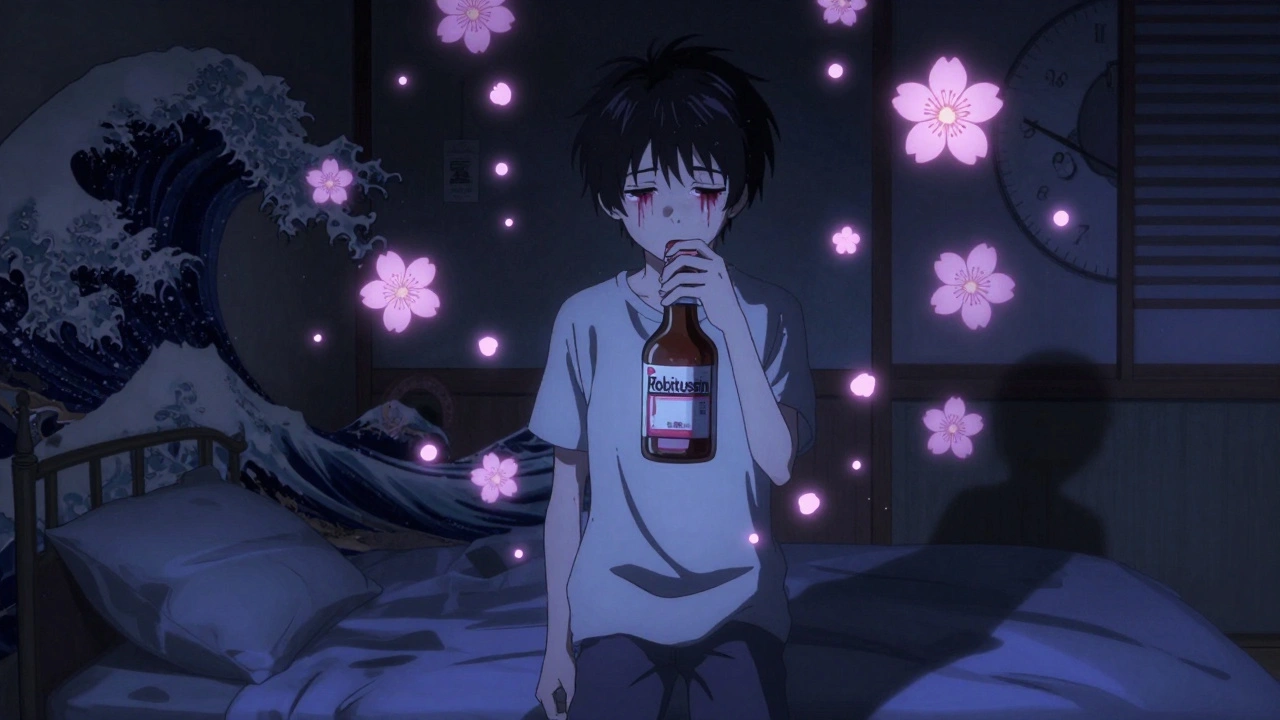
How Dextromethorphan (DXM) Abuse Happens with OTC Cough Syrups
Dextromethorphan (DXM) in OTC cough syrups is being abused for its hallucinogenic effects, especially by teens. High doses cause dissociation, organ damage, and even death. Learn how it happens, why it's dangerous, and what you can do.