
Brand Name Drugs: What They Are, How They Differ from Generics, and What You Need to Know
When you hear brand name drugs, original medications developed and marketed by pharmaceutical companies under a proprietary name. Also known as innovator drugs, they’re the first version of a medicine approved by the FDA after years of research and clinical trials. These are the pills you see advertised on TV—Accupril, Mirabegron, Biaxin—each with a catchy name, a patent, and a price tag that often shocks people.
Behind every brand name drug, a medication developed and sold under a proprietary name by the original manufacturer is a decade of testing, billions in R&D costs, and legal protection through patents. That’s why they cost so much. But once the patent expires, other companies can make the same active ingredient and sell it as a generic medication, a bioequivalent version of a brand name drug sold without a brand name. Also known as generic drugs, they’re chemically identical but often cost 80% less. Sounds perfect, right? Not always. As posts on switching generics and narrow therapeutic index drugs show, some medications—like levothyroxine or warfarin—need to be taken consistently. Even tiny differences in fillers or absorption rates can throw off your treatment.
And then there’s the money. Why do pharmaceutical patents, legal protections that give companies exclusive rights to sell a drug without competition last 20 years? Why do some companies tweak a drug slightly and get a new patent, just to delay generics? That’s called evergreening—and it’s why you might still pay $300 for a brand name drug when a generic version exists. It’s not about safety. It’s about profit. The FDA says generics are just as safe and effective, but the system doesn’t always make it easy to switch.
Some people stick with brand name drugs because their insurance covers them. Others switch because they can’t afford the brand. But what if your body reacts differently to the generic? That’s not rare. Posts on statin side effects and switching between generics show that people report changes in how they feel—even when the active ingredient is the same. It’s not always in your head. It’s in the inactive ingredients, the coating, the release timing.
And then there’s the bigger picture. When China produces 80% of the world’s drug ingredients, and recalls happen because of contamination or poor quality control, who’s really checking? Brand name drugs aren’t immune to this. But they’re more likely to have tighter controls because the company’s reputation is on the line. Generics? Sometimes they’re made in the same factory, sometimes not. The difference isn’t always clear.
So what do you do? Don’t assume generics are always better. Don’t assume brand name drugs are always worth the cost. Know your drug. Know your condition. Know your body. If you’re on a medication with a narrow therapeutic index, talk to your doctor before switching. If you’re paying hundreds a month for a drug that has a generic, ask why. And if you’ve had a bad reaction, report it. That’s what MedWatch and FDA postmarket surveillance are for—so others don’t get hurt.
Below, you’ll find real stories from people who’ve dealt with switching meds, managing side effects, and navigating the confusing world of prescriptions. Some saved money. Some got sicker. All of them learned something. You will too.

Why Generic Drugs Cost 80-85% Less Than Brand-Name Drugs
Generic drugs cost 80-85% less than brand-name drugs because they don’t repeat expensive clinical trials. They’re chemically identical, FDA-approved, and backed by decades of data. Savings are real, and effectiveness is proven.
Authorized Generics List: Which Drugs Offer This Option in 2026
Discover which prescription drugs offer authorized generics in 2026 - identical to the brand but cheaper. Learn how they differ from regular generics, which medications have them, and when to ask for them.
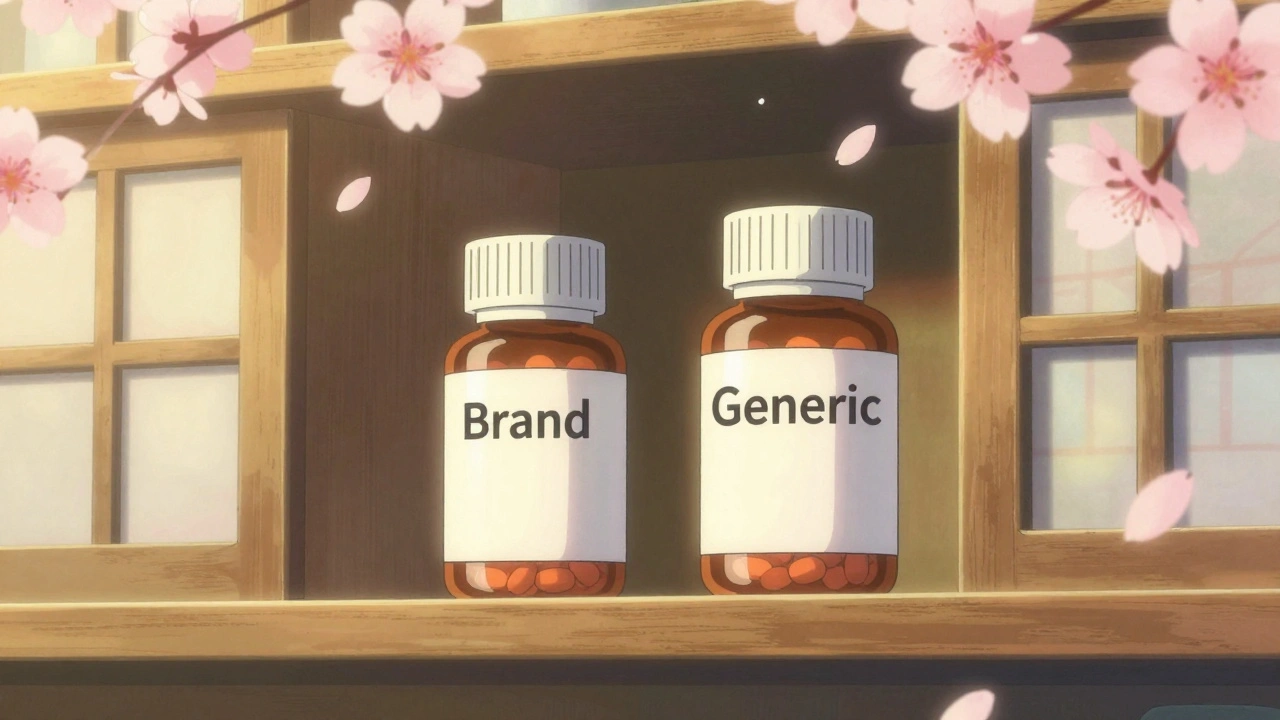
Long-Term Safety of Generic vs Brand Name Drugs: What the Data Really Shows
Long-term studies show generics are often as safe as brand-name drugs-and sometimes safer due to better adherence. But for narrow therapeutic index medications, small formulation differences can matter. Here's what the data really says.