
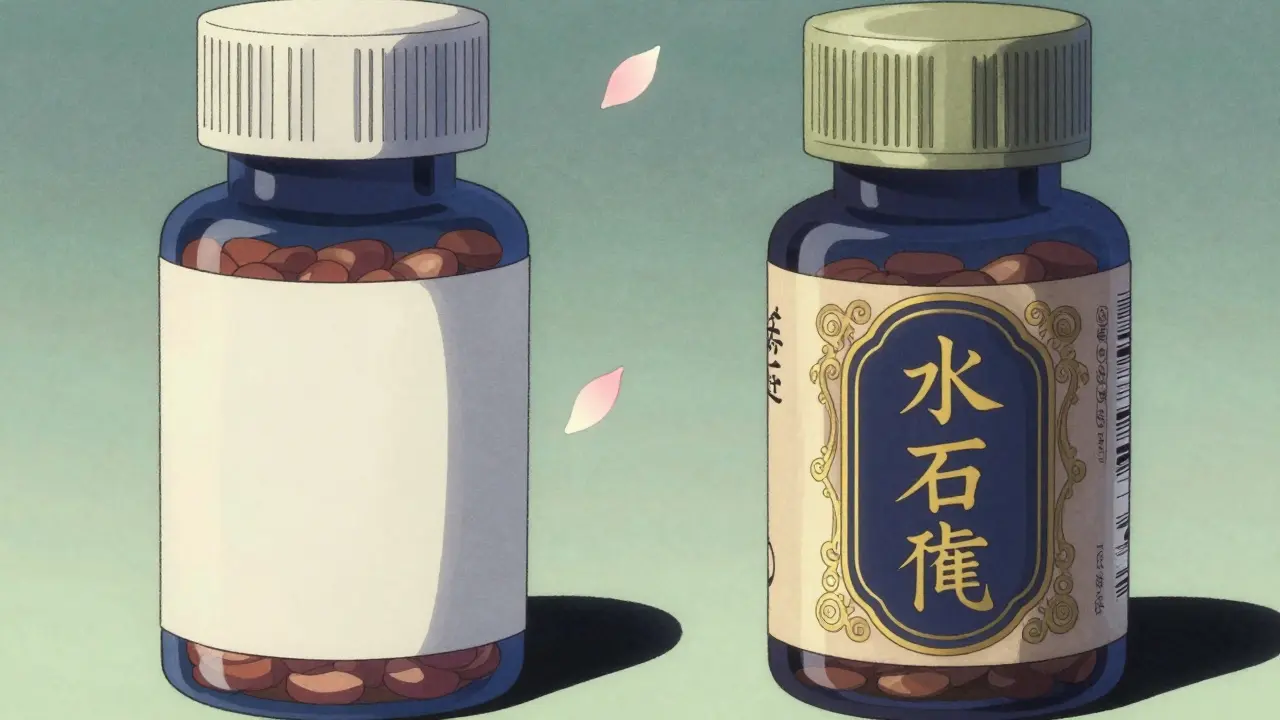
Ever opened your prescription bottle and noticed the pill looks different - same name, different color, no brand logo - but your doctor says it’s the same thing? That’s likely an authorized generic. These aren’t just cheaper copies. They’re the exact same drug your doctor originally prescribed, made by the same company, in the same factory, with the same ingredients. The only difference? No brand name on the label.
What Exactly Is an Authorized Generic?
An authorized generic is a brand-name drug sold under its generic name, without the brand packaging or marketing. The FDA defines it clearly: it’s identical in active and inactive ingredients, dosage form, strength, and route of administration to the original brand product. It’s not just "similar" - it’s the same pill, just repackaged.
Here’s how it works: the original drugmaker - say, Pfizer or Merck - produces the medication under their own New Drug Application (NDA). When the patent expires, instead of letting a third-party generic company take over, they launch their own version under a generic label. Sometimes they do it themselves. Other times, they license the formula to another company, but still use the exact same recipe and manufacturing process.
This means no bioequivalence studies are needed. No testing to prove it works the same. Why? Because it already passed every test when the brand version was approved. It’s the same batch of medicine, just labeled differently.
Why Do Authorized Generics Exist?
It’s not just about saving money - it’s about control.
When a brand drug loses patent protection, generic competitors rush in. Prices drop fast. But brand manufacturers don’t want to lose all their revenue overnight. So they launch an authorized generic - often right before or during the 180-day exclusivity period granted to the first generic company. This lets them stay in the game, capture part of the generic market, and keep prices from falling as sharply.
For patients, it’s a win too. If you’ve ever switched from a brand to a generic and felt off - more side effects, less effectiveness - it might have been due to different inactive ingredients. Fillers, dyes, coatings. These don’t affect the drug’s action, but for some people, especially those on narrow-therapeutic-index drugs like levothyroxine or warfarin, even tiny changes can cause problems.
Authorized generics solve that. No change in inactive ingredients. Same pill, same body response. Many patients report better stability switching to an authorized generic after struggling with traditional generics.
Authorized Generics vs. Traditional Generics: The Real Difference
Let’s clear up the confusion. Traditional generics must prove they’re "bioequivalent" - meaning they absorb into the body at a rate within 80-125% of the brand. That’s a wide range. And while the active ingredient must match, the fillers? They can be different.
Authorized generics don’t have to prove anything. They’re already proven. They’re the original product. No extra testing. No guesswork.
Here’s a simple breakdown:
| Feature | Authorized Generic | Traditional Generic |
|---|---|---|
| Active Ingredient | Identical to brand | Identical to brand |
| Inactive Ingredients | Identical to brand | May differ |
| Manufacturer | Brand company or licensed partner | Third-party generic maker |
| Approval Path | Uses brand’s NDA | Requires ANDA |
| Appears in FDA Orange Book | No | Yes |
| Price Compared to Brand | 30-70% lower | 80-90% lower |
That last point matters. Authorized generics aren’t always the cheapest. Traditional generics often undercut them because they’re made by companies whose only goal is low cost. But if you need consistency - especially for thyroid meds, blood thinners, or seizure drugs - the authorized version gives you peace of mind.
Which Drugs Have Authorized Generics? A 2026 List
As of October 2025, the FDA listed over 200 authorized generics on the market. New ones are added regularly. Here are some of the most commonly prescribed ones:
- Colchicine - Authorized generic of Colcrys (used for gout). Made by Prasco Laboratories.
- Methylphenidate ER - Authorized generic of Concerta (ADHD). Made by Watson/Actavis.
- Celecoxib - Authorized generic of Celebrex (arthritis pain). Made by Greenstone Pharmaceuticals.
- Levothyroxine - Authorized generic of Unithroid (thyroid replacement). Made by Jerome Stevens Pharmaceuticals.
- Albuterol sulfate inhaler - Authorized generic of ProAir HFA (asthma). Made by Teva.
- Empagliflozin - Authorized generic of Jardiance (type 2 diabetes). Launched in 2025 by Boehringer Ingelheim.
- Warfarin - Authorized generic versions available for patients sensitive to traditional generic formulations.
- Fluticasone/salmeterol - Authorized generic of Advair Diskus (COPD/asthma).
These aren’t random picks. These are drugs where patients have reported real differences between brand and generic versions - often because of fillers affecting absorption or causing allergic reactions. For example, patients switching from brand Unithroid to a traditional generic levothyroxine sometimes saw their TSH levels spike. Switching to the authorized generic brought them back into range.
The FDA updates its official list quarterly. You won’t find authorized generics for every drug - only about 10% of brand-name medications have them. But if you’re on one of these, ask your pharmacist: "Is there an authorized generic for this?"
How to Spot an Authorized Generic
They don’t have brand names on the label, but they’re not always easy to identify. Your pill might look different - different color, shape, or imprint. That’s normal. The drug inside is unchanged.
Check the manufacturer name on the bottle. If it’s the same company that makes the brand version - like Pfizer, Merck, or Teva - it’s likely an authorized generic. Some pharmacy systems label them as "AG" or "Authorized Generic" in the notes.
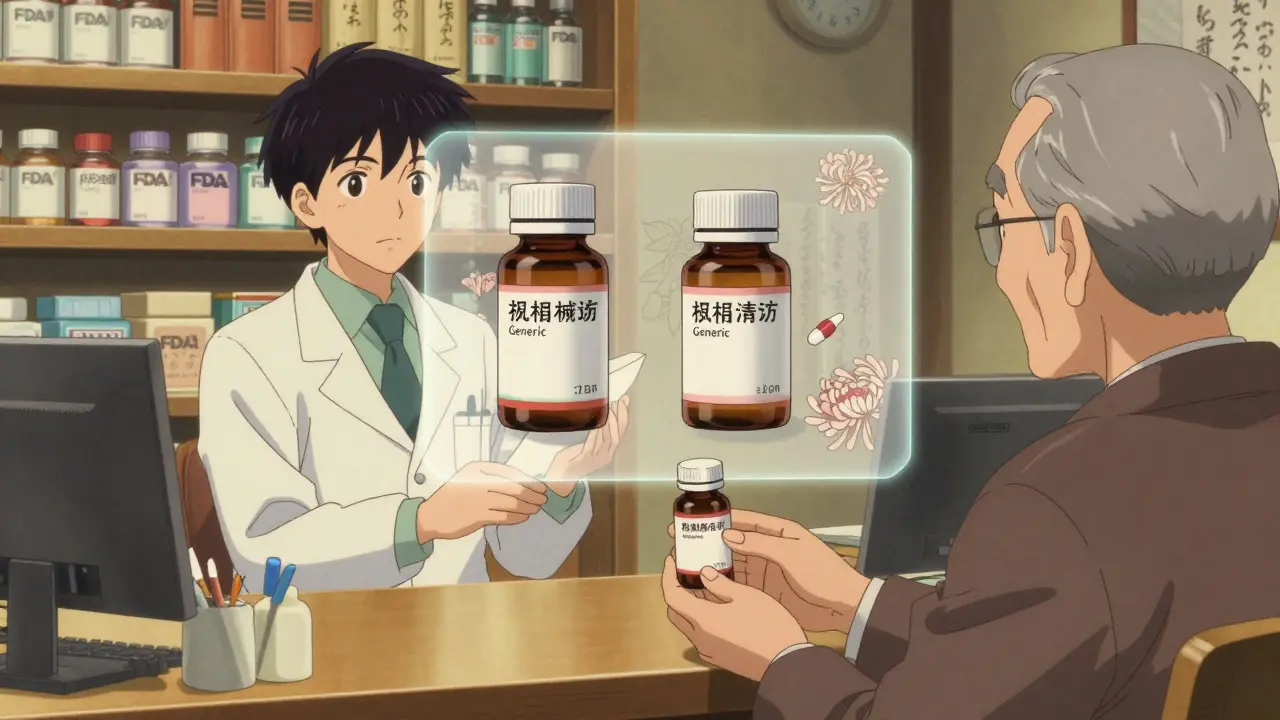
Pharmacists are trained to know the difference. If you’re unsure, ask: "Is this the same as the brand, just without the name?" A good pharmacist will confirm it’s identical and explain why it’s safe to switch.
Why Your Pharmacist Might Not Mention It
Most pharmacies automatically substitute generics - and they’re paid more to dispense traditional generics than authorized ones. Authorized generics often cost more than standard generics, so insurers may push the cheaper option.
But if you’ve had issues with traditional generics - mood swings, fatigue, unstable lab values - ask for the authorized version. Your doctor can write "Dispense as Written" or "Do Not Substitute" on the prescription. That forces the pharmacy to honor your request.
Some states allow pharmacists to substitute without telling you. Others require notification. Know your state’s rules. In Massachusetts, for example, pharmacists must inform patients if they’re switching to a generic. In others, you might not know until you open the bottle.
Are Authorized Generics Right for You?
They’re not always the best choice - but they’re the best choice for some.
Choose an authorized generic if:
- You’ve had problems with traditional generics (side effects, inconsistent results)
- You’re on a narrow-therapeutic-index drug (thyroid, blood thinners, epilepsy meds)
- You value consistency over the lowest possible price
Stick with a traditional generic if:
- You’ve never had issues with generics
- Cost is your biggest concern
- Your insurance won’t cover the authorized version
There’s no one-size-fits-all. But if you’ve ever thought, "This generic doesn’t feel right," you’re not imagining it. Sometimes, the difference is in the filler - and that’s where authorized generics make a real impact.
What’s Changing in 2026?
More authorized generics are coming. In 2025 alone, 17 new ones were added to the FDA list. Big pharma is using them more than ever - 65% of major drugmakers now offer at least one authorized generic.
But there’s debate. Some experts say they slow down price drops. Research shows markets with authorized generics see 15% less price reduction in the first year after patent expiry. That’s good for drugmakers. Not so good for consumers trying to save.
Still, for patients who need reliability, they’re invaluable. The Congressional Budget Office found that authorized generics contribute to slower price declines - but also noted they reduce adverse events linked to formulation changes.
So it’s a trade-off: lower prices vs. fewer side effects.
As of 2026, the trend is clear: authorized generics aren’t going away. They’re becoming a standard tool in the drug market - not just for profit, but for patient safety.
Are authorized generics the same as the brand name drug?
Yes. Authorized generics contain the exact same active and inactive ingredients, are made in the same facility, and follow the same manufacturing process as the brand-name version. The only difference is the label - no brand name, no marketing. The FDA considers them identical.
Why do authorized generics cost more than regular generics?
Because they’re made by the original brand manufacturer, they often don’t have the same cost-cutting pressures as third-party generic makers. Traditional generics are produced by companies whose entire business is low-cost production. Authorized generics are priced to compete with those generics - but not always to the lowest possible level.
Can I switch from a brand to an authorized generic without my doctor’s approval?
Legally, yes - in most states, pharmacists can substitute generics without telling you. But if you’ve had issues with generics before, it’s best to ask your doctor to write "Dispense as Written" or "Do Not Substitute" on the prescription. Always check with your pharmacist before switching, especially for critical medications like thyroid or blood thinners.
How do I know if my drug has an authorized generic?
Check the FDA’s official Listing of Authorized Generic Drugs, updated quarterly. You can also ask your pharmacist directly. If the manufacturer on your bottle is the same as the brand-name maker (e.g., Pfizer, Teva, Merck), it’s likely an authorized generic. Look for the phrase "Authorized Generic" on the packaging or in your pharmacy’s notes.
Do authorized generics show up in the FDA’s Orange Book?
No. Traditional generics are listed in the Orange Book because they go through the Abbreviated New Drug Application (ANDA) process. Authorized generics are marketed under the original brand’s New Drug Application (NDA), so they’re not included. The FDA maintains a separate, official list specifically for authorized generics.
Next Steps: What to Do Now
If you’re on a brand-name drug that’s been on the market for more than five years, ask your pharmacist: "Is there an authorized generic for this?"
If you’ve had problems with traditional generics - inconsistent energy, mood changes, lab results that don’t match - request the authorized version. Bring up the FDA’s list. Show your doctor. It’s your right to ask.
And if your insurance denies coverage? Appeal. Many insurers will cover authorized generics if you document a history of adverse reactions to traditional generics. It’s not a luxury - for some people, it’s medical necessity.
Medicine isn’t just about chemistry. It’s about how your body responds. Sometimes, the difference between a good day and a bad one is in the filler - and that’s why authorized generics matter.



Angela Stanton
January 8, 2026 AT 00:14Authorized generics are a *game-changer* for NTI drugs 🧪. If you’re on levothyroxine and your TSH is all over the place after switching to a generic? That’s not placebo - it’s filler variability. Authorized = same excipients. Same batch. Same bioavailability. Stop letting pharmacies gamble with your endocrine stability.
Johanna Baxter
January 8, 2026 AT 06:07Kiruthiga Udayakumar
January 9, 2026 AT 17:19Why are we even talking about this like it’s a luxury? In India, we get generic drugs that are *more consistent* than some American brands because they follow WHO-GMP. You people are treating a basic medical standard like a VIP perk. This isn’t ‘peace of mind’ - it’s basic pharmacology. Stop romanticizing corporate loopholes.
tali murah
January 10, 2026 AT 07:23Oh wow. So Pfizer is the *hero* here? Let me get this straight - the same company that priced a life-saving drug at $750,000 per year is now your ‘patient advocate’ because they slap a generic label on it? 🤡
They’re not doing this for you. They’re doing this to *stall* price collapse. The 15% slower price drop? That’s not a side effect - it’s the entire business model. Your ‘peace of mind’ is their profit margin.
Jenci Spradlin
January 10, 2026 AT 11:28biggest thing no one talks about: if your pill looks totally diff but says the same name and same mg? it’s prob an auth generic. i got my celecoxib from walgreens and the pill was a tiny blue oval vs the big yellow celebrex - same exact bottle label except no ‘celebrex’ on it. asked the pharmacist, they said ‘yeah, that’s the one the doc wants you on.’ saved me $120/month. no cap.
Ashley Kronenwetter
January 12, 2026 AT 06:13While the clinical utility of authorized generics is well-documented, particularly in narrow therapeutic index medications, it is imperative to recognize the systemic implications of their market introduction. The concurrent suppression of price erosion and the potential for reduced generic competition may constitute a regulatory arbitrage that undermines the intent of the Hatch-Waxman Act. Patient outcomes should not be contingent on corporate strategy.
Aron Veldhuizen
January 14, 2026 AT 03:19Let’s be real - this entire conversation is a distraction. The real issue isn’t whether your pill has a brand name on it. It’s that we’ve allowed pharmaceutical monopolies to dictate the very definition of ‘medication’ for decades. Authorized generics? Just another flavor of the same corporate control. The real solution isn’t better labels - it’s single-payer drug procurement. Let the government buy in bulk, cut out the middlemen, and force transparency. Until then, we’re just rearranging deck chairs on the Titanic.
Heather Wilson
January 15, 2026 AT 19:25It’s funny how people treat authorized generics like a miracle. Let’s not forget - they’re still manufactured by the same companies that lobbied against drug importation, fought price caps, and priced insulin at $300 a vial. The fact that they’re ‘identical’ doesn’t absolve them of being part of the problem. And yes, the price difference is minimal because they’re designed to undercut third-party generics, not the brand. It’s a tactical move, not a moral one. Also, ‘ask your pharmacist’? Good luck. They’re paid to push the cheapest option. Your ‘medical necessity’ is just a footnote on their KPI sheet.
Micheal Murdoch
January 17, 2026 AT 05:41There’s something deeply human here. We think of medicine as chemistry - but it’s also about trust. Your body remembers the pill that made you feel stable. When you switch to a generic and suddenly your anxiety spikes or your energy crashes, it’s not ‘all in your head.’ It’s your nervous system reacting to a change in coating, dye, or binder you didn’t ask for.
Authorized generics aren’t about profit. They’re about honoring that trust. If you’ve ever felt ‘off’ on a generic - even if labs look fine - you’re not crazy. You’re just sensitive. And that’s okay. Your body isn’t broken - the system just doesn’t always see you.
Ask for the authorized version. It’s not selfish. It’s self-advocacy. And if your insurance pushes back? Document everything. Your health isn’t a spreadsheet.
Jeffrey Hu
January 17, 2026 AT 05:55Wait, so if it’s the same exact drug, why isn’t it just called the brand name? Oh right - because then the FDA would have to list it in the Orange Book and everyone would know it’s not a ‘generic’ at all. That’s the whole scam. They’re not ‘authorized generics’ - they’re branded generics with a fake label. The FDA lets them skip ANDA because they’re the same company. That’s not transparency. That’s loophole exploitation. And yeah, they cost more than real generics because they’re not trying to compete - they’re trying to *mimic* competition.
Chris Kauwe
January 18, 2026 AT 05:07Let’s not pretend this is about patient care. This is about American capitalism at its finest - a drugmaker makes a billion on a brand, then turns around and sells the *exact same pill* for 70% less… but only to Americans. Meanwhile, Canadians get the real generic for half the price of this ‘authorized’ version. We’re being played. This isn’t innovation - it’s extraction with a side of marketing. If you’re buying this as ‘patient safety,’ you’re buying the brand’s PR campaign. Real reform? Nationalize drug manufacturing. End patents. Then we’ll talk.
Angela Stanton
January 19, 2026 AT 15:25@6666 you’re not wrong, but let’s not pretend the alternative is better. If we don’t have authorized generics, patients on levothyroxine or warfarin get shuffled between 3 different generic manufacturers every 6 months - each with different fillers. I’ve seen TSH jump from 2.1 to 8.7 because of a dye change. Authorized generics are the least-bad option in a broken system. Don’t hate the tool - hate the system that made it necessary.