Category: Medications - Page 4

Inhalers Explained: Rescue Inhalers vs. Maintenance Inhalers
Rescue inhalers give quick relief during asthma attacks, while maintenance inhalers prevent symptoms with daily use. Knowing the difference can prevent dangerous mistakes and save lives.

Authorized Generics List: Which Drugs Offer This Option in 2026
Discover which prescription drugs offer authorized generics in 2026 - identical to the brand but cheaper. Learn how they differ from regular generics, which medications have them, and when to ask for them.

SGLT2 Inhibitors and Yeast Infections: What You Need to Know About Urinary Complications
SGLT2 inhibitors help control diabetes and protect the heart, but they increase the risk of yeast and urinary infections. Learn the signs, who's most at risk, and what to do if you're infected.

Liquid vs. Tablet Medications for Children: What to Choose in 2026
Liquid vs. tablet medications for children: tablets are often safer, cheaper, and more accurate. Learn when to choose each form, how to teach swallowing, and why outdated assumptions still dominate prescriptions.

Liquid vs. Tablet Medications for Children: What to Choose in 2026
Liquid or tablet medications for children? In 2026, tablets are often the better choice - safer, more accurate, cheaper, and easier to use. Learn when to choose each and how to help your child swallow tablets with confidence.

TRIPS Agreement and Generic Medicine Access: How Patent Rules Block Life-Saving Drugs
The TRIPS Agreement enforces strict pharmaceutical patents that block access to affordable generic medicines in low-income countries. Despite legal flexibilities, political pressure and complex rules make it nearly impossible to use them.

Antidepressants and Bipolar Disorder: What You Need to Know About Mood Destabilization Risks
Antidepressants can trigger mania in bipolar disorder. Learn why they're risky, which ones are least dangerous, what safer alternatives exist, and when they might still be used under strict supervision.
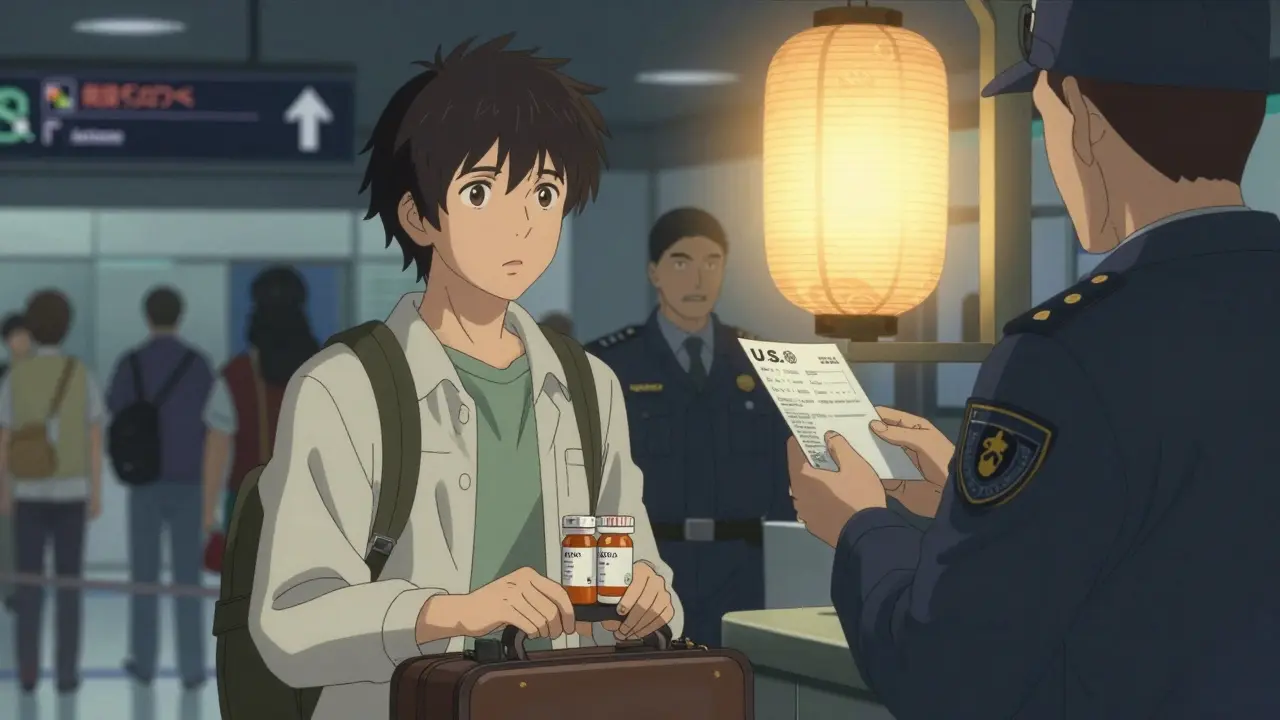
How to Handle Prescription Transfers Between Countries: A Practical Guide for Travelers
Learn how to legally refill your prescription abroad. This guide covers rules for transferring medications between the U.S., Canada, the EU, and other countries-with practical steps to avoid getting stranded without your meds.
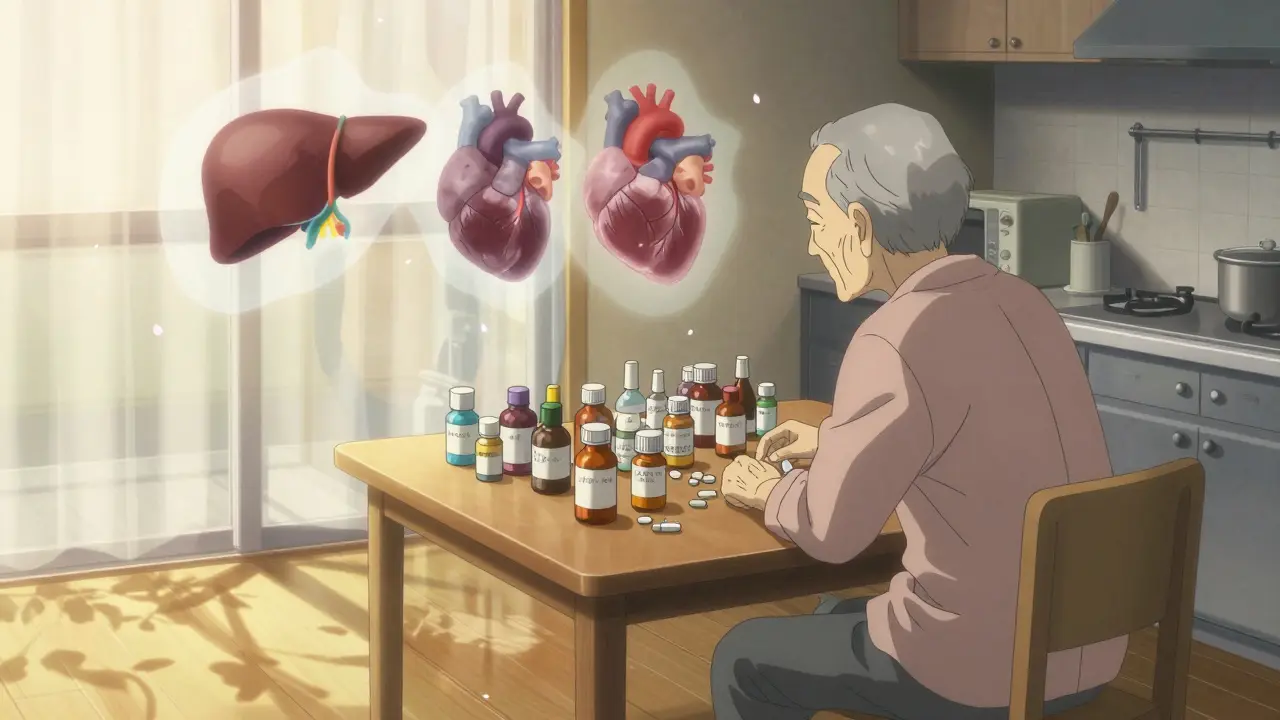
How Comorbidities Increase Drug Side Effects and Risk
Comorbidities like liver disease, kidney failure, or heart conditions dramatically increase the risk of dangerous drug side effects. Learn how chronic illnesses change how your body processes medication - and what you can do to stay safe.

How to Use Text Message Reminders for Medication Schedules
Text message reminders can significantly improve medication adherence when personalized and timed correctly. Learn how to set them up, avoid common mistakes, and know when they’re not enough.