Generic Drugs: What They Are, How They Work, and What You Need to Know
When you hear generic drugs, brand-name medications sold under their chemical name after the patent expires. Also known as non-brand drugs, they work the same way as the original but cost far less—often 80% cheaper. That’s not marketing. It’s science. The FDA requires them to have the same active ingredient, strength, dosage form, and route of administration as the brand-name version. They must also prove they’re absorbed into the body at the same rate and to the same extent. If they don’t, they don’t get approved.
But not all generic drugs, brand-name medications sold under their chemical name after the patent expires. Also known as non-brand drugs, they work the same way as the original but cost far less—often 80% cheaper. are created equal. The real difference shows up in the supply chain. Over 80% of the active ingredients in U.S. generic drugs come from countries like China and India. That’s not bad by itself—those countries make most of the world’s pharmaceuticals. But inspections are rare, recalls happen more often than you hear about, and quality can vary between batches. That’s why the FDA, U.S. government agency responsible for regulating food, drugs, medical devices, and cosmetics. Also known as Food and Drug Administration, it ensures the safety and effectiveness of medications before and after they hit the market. runs postmarket surveillance programs like FAERS and Sentinel. These track side effects after a drug is already on shelves. If a batch of generic metformin causes unexpected nausea across multiple states, the FDA finds it. Then they act.
Then there’s the confusion between biosimilars, biologic drugs that are highly similar to an already-approved biologic, but not identical. Also known as follow-on biologics, they’re not the same as traditional generics because biologics are made from living cells, not chemicals.. Biosimilars are a different category altogether. They’re not automatic swaps. Only FDA-designated "interchangeable" biosimilars can be switched at the pharmacy without your doctor’s OK—and even then, only if your state allows it. Most generics? They’re interchangeable by law. That’s why you can pick up generic Lipitor instead of brand-name atorvastatin and not worry about your heart medication suddenly working differently.
Cost is the biggest reason people choose generics. But cost shouldn’t be the only reason. You need to know if your drug is truly interchangeable, where it’s made, and whether your pharmacy is swapping brands without telling you. A brown bag review with your pharmacist can catch hidden risks—like when a new generic version of your blood pressure pill uses a different filler that causes stomach upset. Or when a recalled lot slips through because the lot number wasn’t checked. That’s why so many posts here focus on generic drugs and their real-world impact: safety, access, and transparency.
What you’ll find below isn’t just a list of articles. It’s a toolkit. From how the FDA catches unsafe generics to why some people get worse side effects from a new generic version, these posts cut through the noise. You’ll learn how to verify recalls, spot quality red flags, and ask the right questions at the pharmacy. No fluff. Just what matters when your health depends on a pill you bought for $4 instead of $400.
Therapeutic Equivalence Codes: How the FDA Determines If Generic Drugs Can Be Substituted
Therapeutic equivalence codes from the FDA tell pharmacists which generic drugs can be safely swapped for brand-name medications. Learn how the Orange Book's A and B ratings work, why some generics aren't interchangeable, and how this system saves billions in healthcare costs.
Complex Generic Formulations: Why Proving Bioequivalence Is So Hard
Complex generic formulations like inhalers, creams, and injectables are hard to copy because they don’t work the same way as pills. Proving they’re as effective as the brand name requires new science - and the system isn’t ready.
Why Generic Drugs Cost 80-85% Less Than Brand-Name Drugs
Generic drugs cost 80-85% less than brand-name drugs because they don’t repeat expensive clinical trials. They’re chemically identical, FDA-approved, and backed by decades of data. Savings are real, and effectiveness is proven.
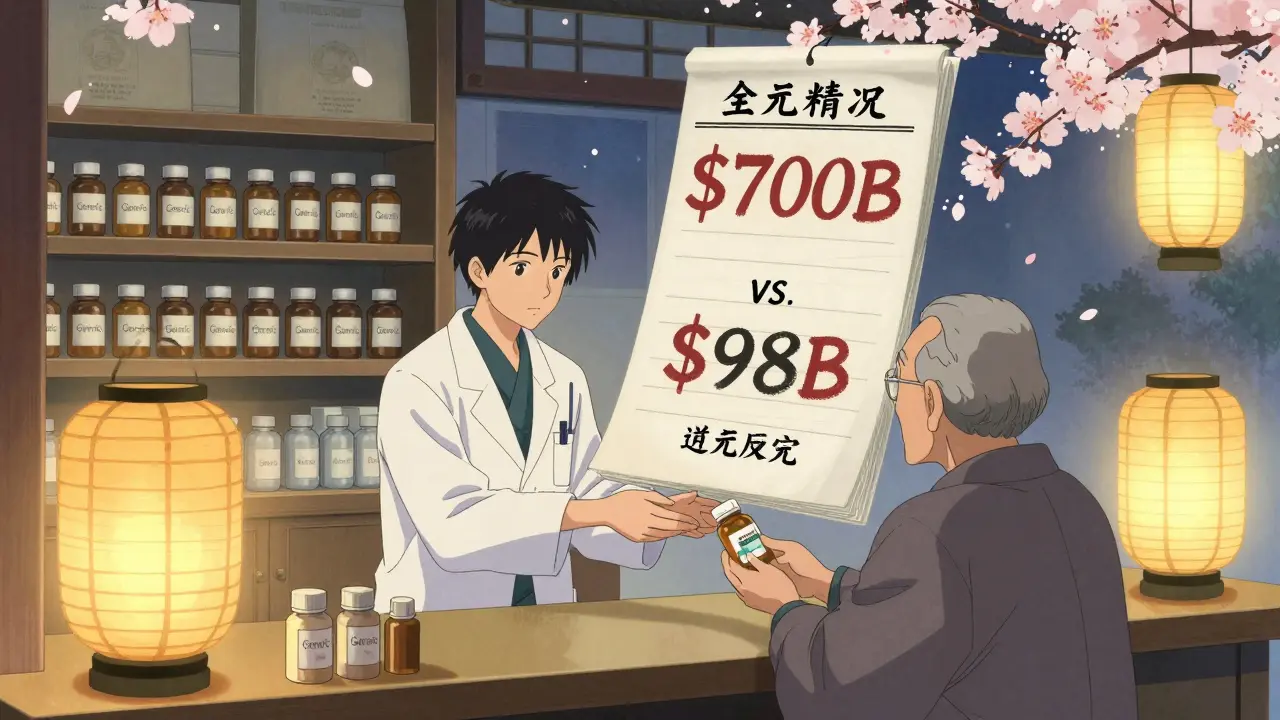
How Generics Cut Healthcare Drug Spending by 80-85% - The Real Cost-Saving Power
Generics make up 90% of U.S. prescriptions but only 12% of drug spending, saving over $445 billion in 2023 alone. Learn how they cut costs, why biosimilars lag, and what's blocking their full potential.
Authorized Generics List: Which Drugs Offer This Option in 2026
Discover which prescription drugs offer authorized generics in 2026 - identical to the brand but cheaper. Learn how they differ from regular generics, which medications have them, and when to ask for them.
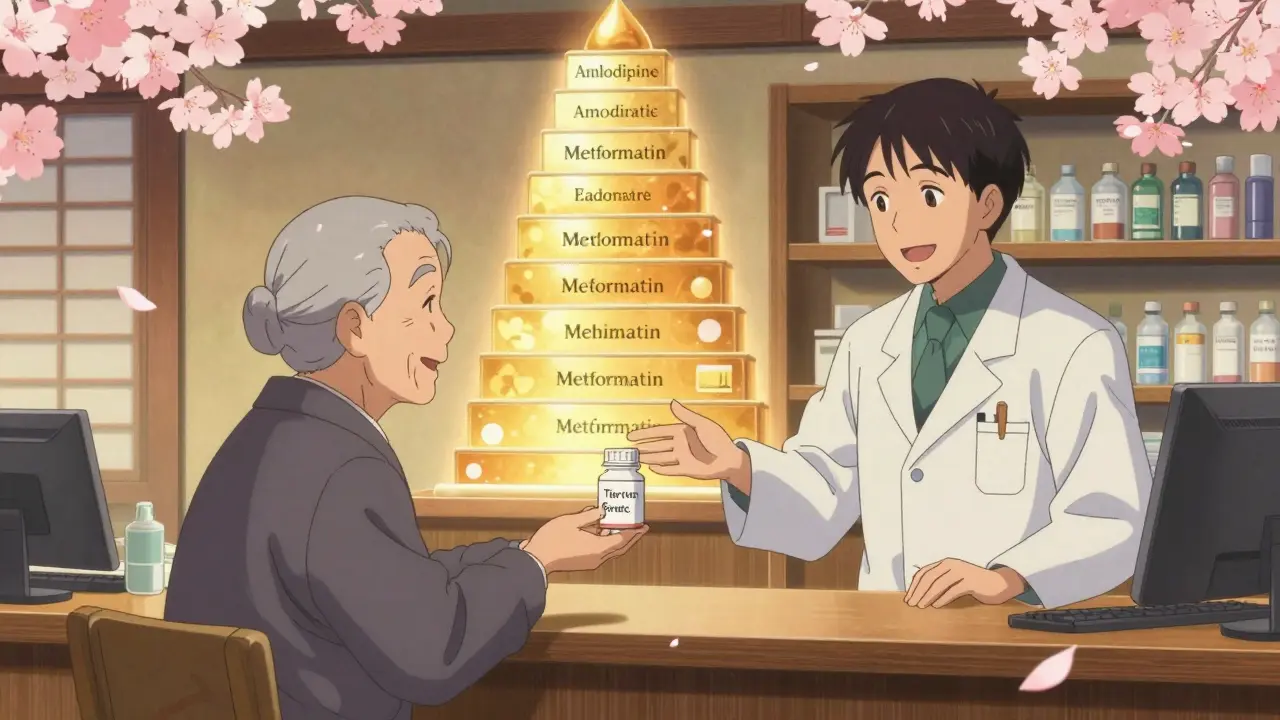
Medicare Part D Economics: How Programs Use Generics to Cut Costs
Medicare Part D saves billions by pushing generic drugs through tiered formularies. Learn how generics cut costs, how to find the best plan, and why some beneficiaries still pay too much-even when cheaper options exist.
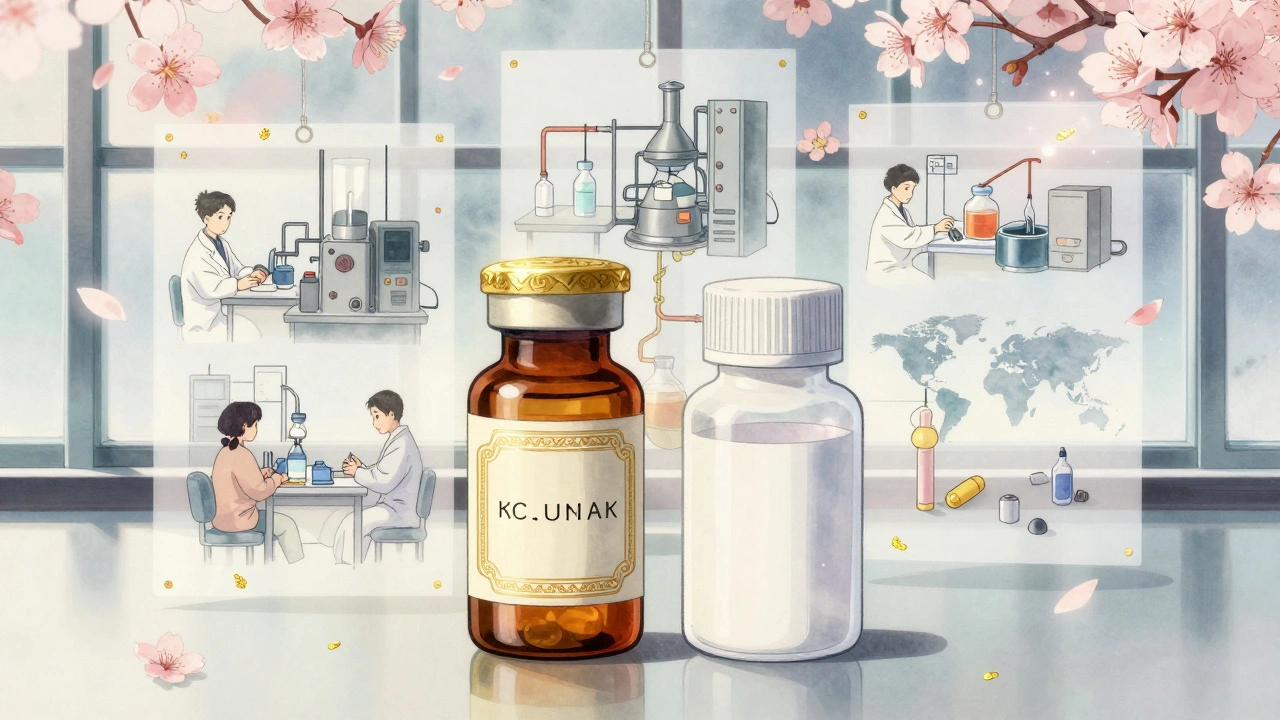
Manufacturing Cost Analysis: Why Generic Drugs Are So Much Cheaper
Generic drugs cost far less than brand-name versions because they skip expensive R&D, rely on economies of scale, and face fierce competition. Learn how manufacturing efficiency drives down prices without sacrificing safety or effectiveness.
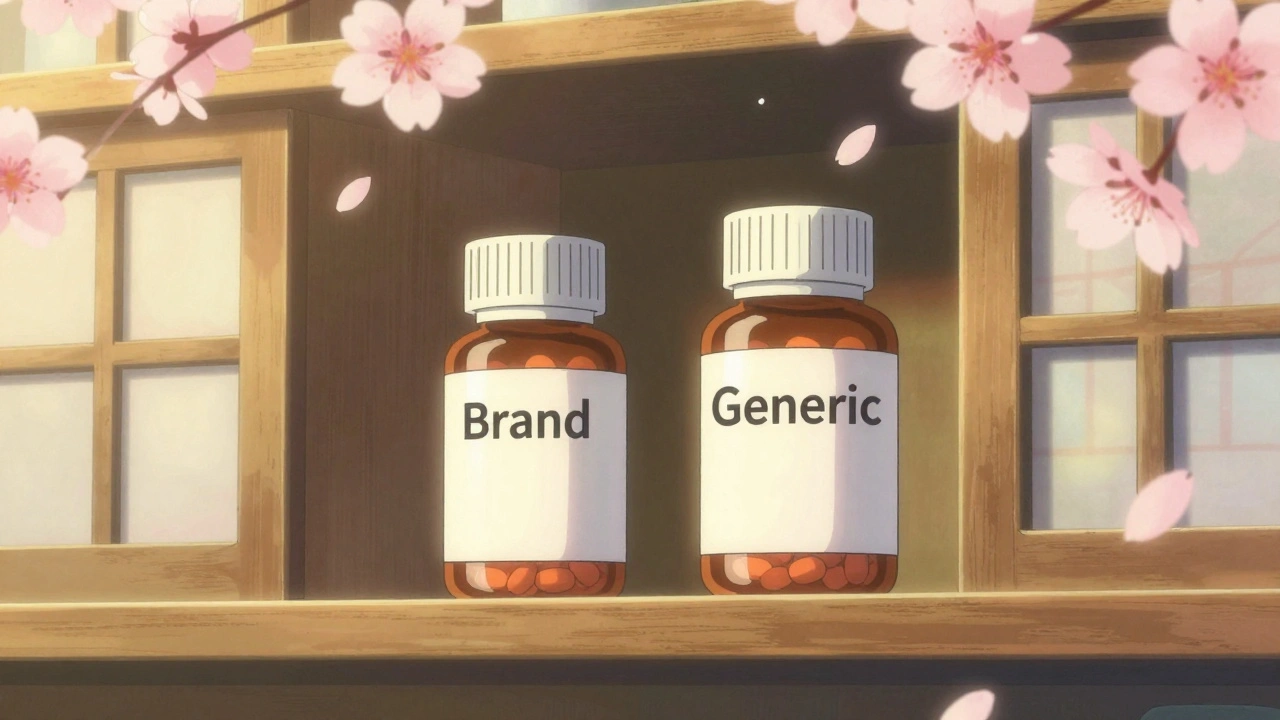
Long-Term Safety of Generic vs Brand Name Drugs: What the Data Really Shows
Long-term studies show generics are often as safe as brand-name drugs-and sometimes safer due to better adherence. But for narrow therapeutic index medications, small formulation differences can matter. Here's what the data really says.

Stability and Shelf Life: Understanding Generic Drug Degradation and Safety Risks
Understanding how generic drugs degrade over time and why shelf life testing matters for safety. Learn the hidden risks, regulatory gaps, and what you can do to protect yourself.