
Cough Syrup High: What You Need to Know About Misuse and Risks
When people talk about getting a cough syrup high, a psychoactive effect caused by taking far more dextromethorphan than recommended. Also known as DXM high, it’s not a harmless party trick—it’s a dangerous misuse of a common over-the-counter ingredient found in dozens of cold and cough products. This isn’t about occasional overuse. It’s about intentionally swallowing dozens of pills or cups of syrup to chase a dissociative, hallucinogenic rush. And it’s happening—especially among teens and young adults who think it’s safe because it’s legal and sold on store shelves.
The problem starts with how easy it is to get. You don’t need a prescription. You don’t need to show ID. Just grab a bottle of cough syrup, read the label, and find dextromethorphan—the active ingredient that, at normal doses, suppresses coughs. At 10 to 15 times the recommended dose, it starts acting like PCP or ketamine: numbness, distorted vision, out-of-body experiences, and sometimes full-blown hallucinations. But unlike those drugs, DXM doesn’t come with warning labels people actually read. And when mixed with other ingredients in the syrup—like acetaminophen, antihistamines, or decongestants—the risks jump from dangerous to life-threatening.
People don’t always realize they’re mixing drugs. A single dose of cough syrup might contain dextromethorphan plus acetaminophen, a painkiller and fever reducer that can cause severe liver damage in high doses. Take too much to get high, and you’re not just overdosing on DXM—you’re poisoning your liver. Others combine it with alcohol, a depressant that multiplies the risk of respiratory failure and coma. There’s no safe way to do this. Emergency rooms see cases every week where someone ends up in intensive care because they thought one more spoonful wouldn’t hurt.
And it’s not just about the immediate high. Regular misuse rewires the brain. Tolerance builds fast. People need more and more to feel the same effect. Withdrawal can mean anxiety, insomnia, cravings, and even seizures. Some users report lasting memory loss, depression, and trouble concentrating long after they stop. The FDA has issued warnings. The CDC tracks cases. And yet, online forums still share recipes for "robotripping"—as if it’s a rite of passage.
What you’ll find in the posts below isn’t theory. It’s real data, real stories, and real science about how over-the-counter drugs can become tools of abuse. You’ll see how manufacturers are changing formulas to deter misuse, how pharmacies are limiting sales, and what signs to watch for in someone you care about. This isn’t about judging. It’s about understanding what’s really in that bottle—and why it’s never worth the risk.
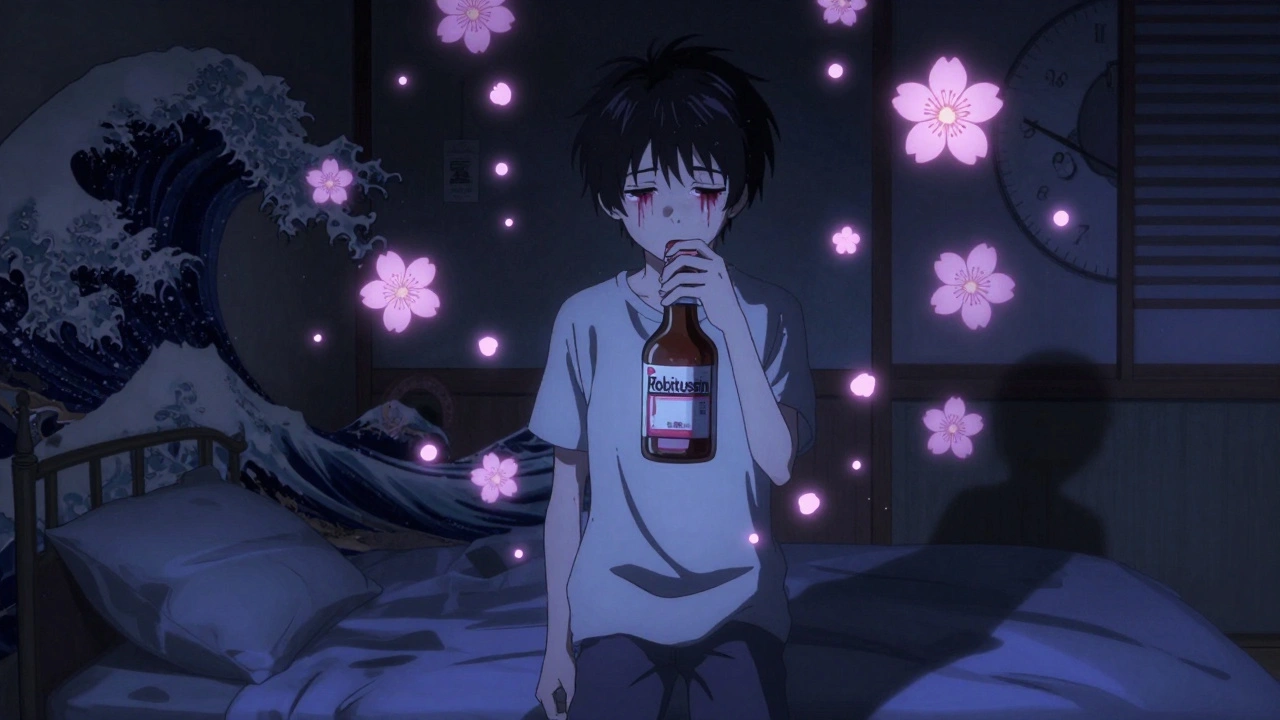
How Dextromethorphan (DXM) Abuse Happens with OTC Cough Syrups
Dextromethorphan (DXM) in OTC cough syrups is being abused for its hallucinogenic effects, especially by teens. High doses cause dissociation, organ damage, and even death. Learn how it happens, why it's dangerous, and what you can do.