Adverse Drug Reactions: What They Are, How to Spot Them, and What to Do
When you take a medication, you expect it to help—not hurt. But adverse drug reactions, unintended and harmful responses to medications at normal doses. Also known as drug side effects, they range from a mild rash to organ failure—and they happen more often than most people realize. These aren’t just rare accidents. Every year, millions of people experience them, and many go unreported because they’re mistaken for the illness itself or dismissed as "just part of taking medicine." But they’re not normal. They’re signals.
Adverse drug reactions don’t happen in a vacuum. They’re often tied to drug interactions, when two or more medications react in ways that change how they work in your body. For example, mixing a diabetes drug with certain antibiotics can send blood sugar crashing. Or taking a common painkiller with blood pressure meds might raise your risk of kidney damage. Even something as simple as grapefruit juice can interfere with how your body breaks down pills. And then there’s pharmacovigilance, the science of detecting, assessing, and preventing drug-related harm. It’s not just for regulators—it’s something every patient should understand. Knowing what to watch for, how to track symptoms, and when to speak up can stop a small problem from becoming a crisis.
Some reactions show up fast—hives, swelling, trouble breathing. Others creep in over weeks: unexplained joint pain, sudden mood changes, constant fatigue. The posts below cover real cases: how DPP-4 inhibitors triggered severe joint pain in people who thought it was just aging; how Mirabegron caused dizziness and high blood pressure in users who didn’t know it was the drug; how rebound congestion from nasal sprays mimicked a worsening cold. You’ll also find guides on spotting dangerous combinations, understanding why side effects fade (or don’t), and how to use a brown bag review to catch hidden risks before they hurt you.
Medications save lives. But they also carry hidden dangers. The key isn’t avoiding pills—it’s knowing what to look for, how to ask the right questions, and when to demand answers. What you’re about to read isn’t theory. It’s what people actually experienced—and what you can use to protect yourself or someone you care about.
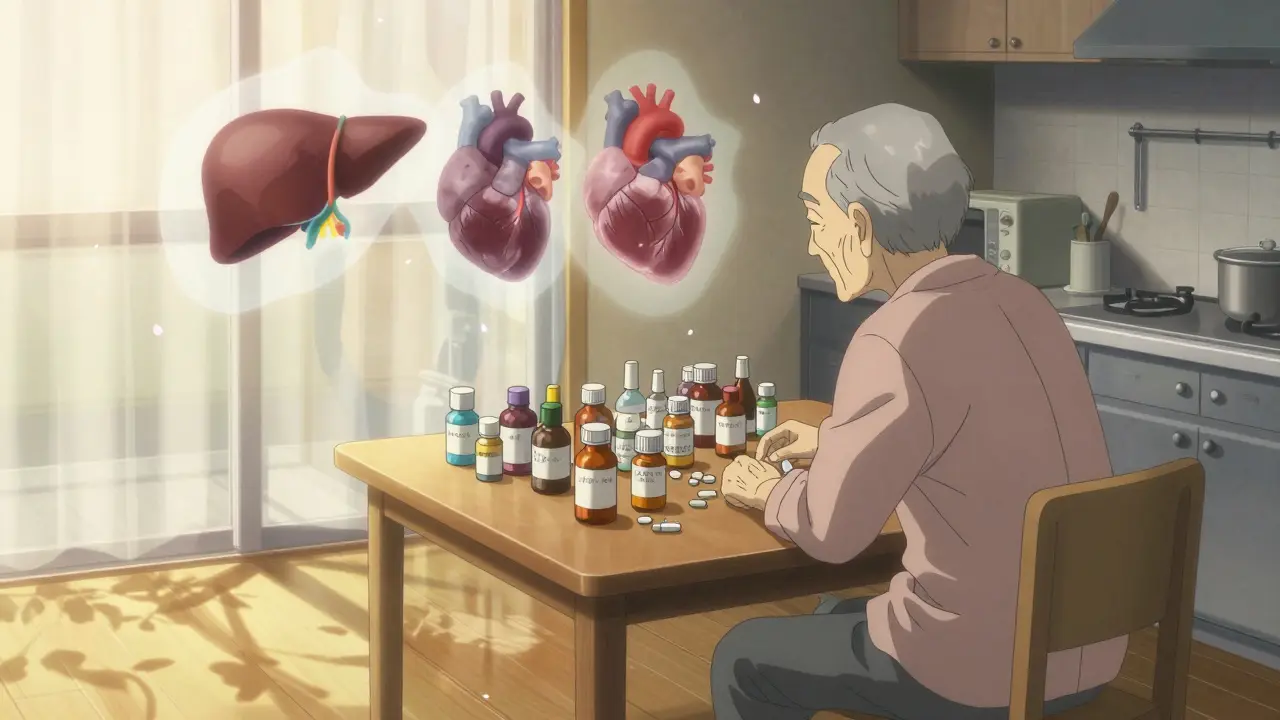
How Comorbidities Increase Drug Side Effects and Risk
Comorbidities like liver disease, kidney failure, or heart conditions dramatically increase the risk of dangerous drug side effects. Learn how chronic illnesses change how your body processes medication - and what you can do to stay safe.

How the FDA Monitors Drug Safety After Medication Approval
The FDA uses advanced systems like FAERS and Sentinel to track drug side effects after approval. Learn how it detects hidden risks, what happens when problems are found, and how patients can help.