

When you’re tearing down walls or packing up boxes for a move, your medications shouldn’t be an afterthought. A pill bottle left on a dusty shelf, insulin sitting in a hot car, or a bottle of painkillers tucked into a box with random tools-these aren’t just careless mistakes. They’re risks. Risks to kids, pets, and even yourself if the wrong pill gets mixed in with your morning coffee.
Why Medications Are Vulnerable During Moves and Renovations
Most people don’t think about meds until they’re packing the last box. But here’s the reality: 55% of U.S. households regularly take prescription drugs. And when the house is under construction or you’re hauling everything to a new city, those medications become easy targets for accidents, spoilage, or theft. Bathrooms? No. Kitchens? Only if it’s cool and dry. Garages? Absolutely not. During renovations, your usual medicine cabinet might be ripped out. During a move, your meds could spend hours in a truck where it’s 90°F one day and 20°F the next. Heat, moisture, and sunlight don’t just make pills look weird-they can destroy their effectiveness. Insulin, thyroid meds, and even some antibiotics can go bad without warning. And then there’s access. Kids climb. Pets jump. Guests rummage. If your meds aren’t locked up, they’re fair game. The CDC says accidental overdose is one of the leading causes of injury in children under six. A single misplaced pill can be deadly.What Temperature Your Medications Can Handle
Unless your prescription says otherwise, most pills and liquids need to stay between 59°F and 77°F (15°C-25°C). That’s room temperature. Not hot. Not cold. Not left in a sun-baked SUV. Refrigerated meds-like insulin, some antibiotics, and injectables-must stay between 36°F and 46°F. Freeze them? That’s a problem. Frozen insulin can clump, lose potency, and still look normal. You won’t know it’s ruined until it fails to work. During a move, keep these in a cooler with ice packs. Don’t use dry ice unless you know how to handle it safely. For short trips, a small insulated lunch bag with a reusable gel pack works fine. For longer drives, buy a portable medical-grade cooler. They’re not expensive-under $50-and they’re worth it.Where to Store Medications During Renovations
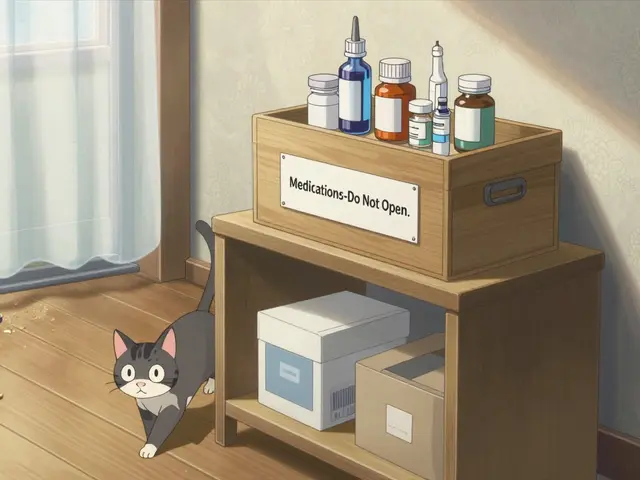
If you’re renovating one room, don’t move everything to the bathroom. Humidity from showers and steam can ruin blister packs and liquid meds. Don’t put them in the garage, basement, or attic. Those spots swing in temperature like a pendulum. Instead, pick one room that’s staying untouched-a guest bedroom, a home office, or even a clean closet in the living room. Make it your temporary med station. - Use a locked box, a small safe, or even a locked file cabinet. Medication storage isn’t optional-it’s essential. - Label it clearly: “Medications-Do Not Open.” - Keep it off the floor. Kids and pets don’t climb shelves, but they’ll paw at boxes on the ground. - Store it away from windows. Sunlight breaks down chemicals fast. - Keep it away from cleaning supplies, alcohol, or anything you wouldn’t want to mix with pills. If you’re unsure where to put it, ask your pharmacist. They’ve seen this before.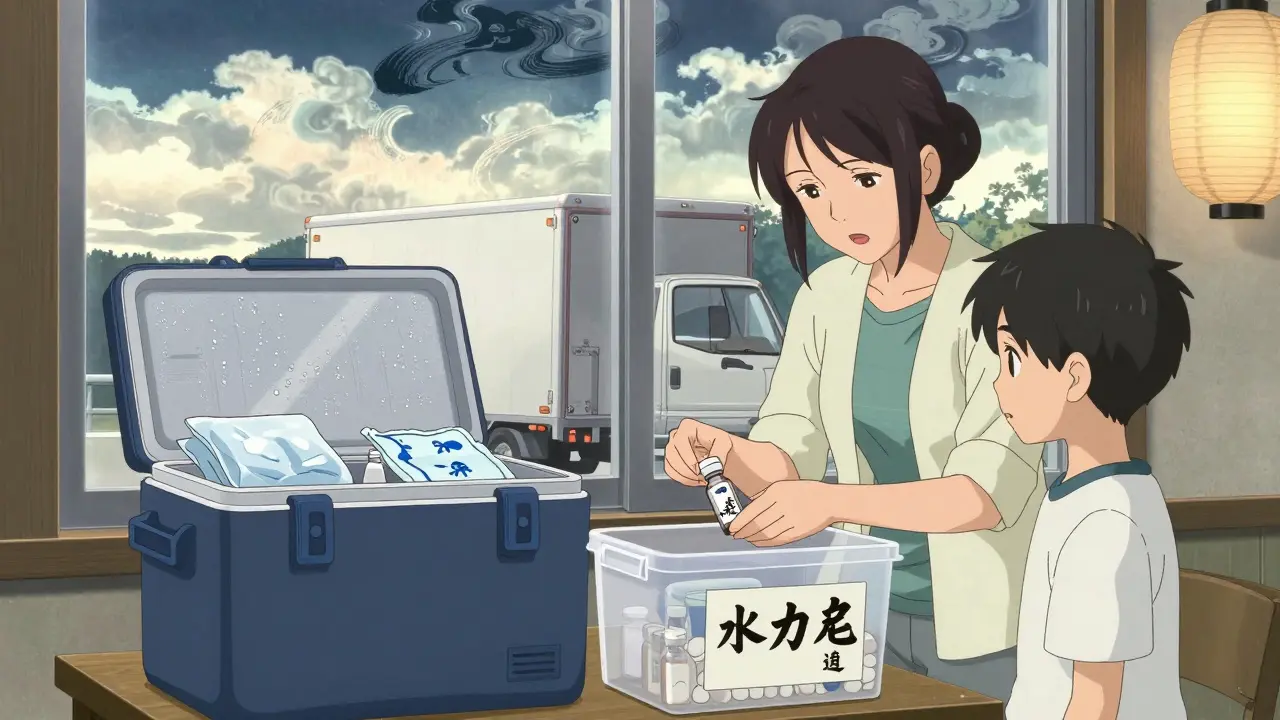
How to Pack Medications for a Move
Don’t just toss your meds into a cardboard box labeled “Misc.” Here’s how to do it right:- Keep everything in original bottles. No dumping pills into Ziplocs. The label has your name, dosage, and expiration date. That’s critical if you need help in an emergency.
- Use a small, sturdy container-like a plastic bin with a lid-to group all your meds together. Label it with your name and “Medications-Do Not Open.”
- For refrigerated items, pack them in a cooler with ice packs. Bring a small thermometer inside to check the temp. If it’s above 46°F for more than a few hours, call your pharmacy.
- Carry your most critical meds with you. Not in the moving truck. In your personal bag. Think: daily pills, heart meds, inhalers, epinephrine, insulin.
- Don’t forget over-the-counter stuff. Pain relievers, antacids, allergy pills-those matter too.
What to Do With Old, Expired, or Unwanted Medications
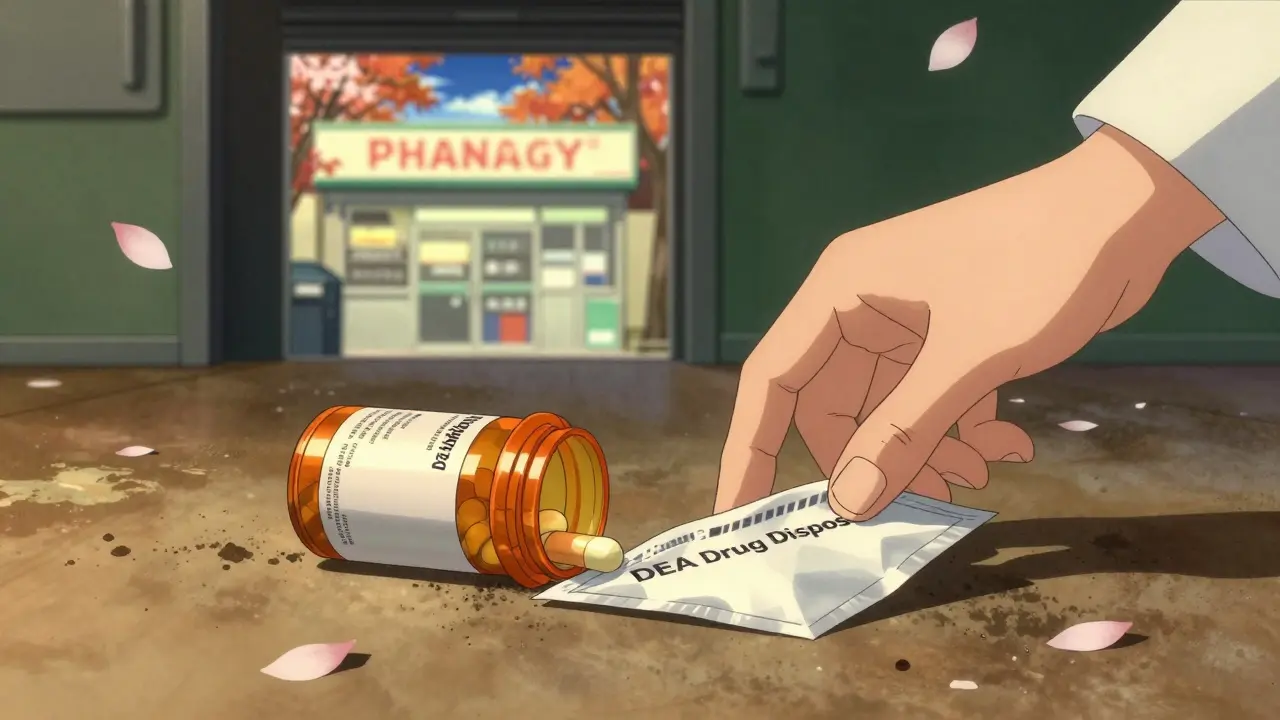
Before you move, clean house. Go through every drawer, cabinet, and medicine box. Toss anything expired, discolored, or smelling weird. But don’t just flush or trash them. The EPA says 67% of households dispose of meds the wrong way-down the sink, in the trash, or in the toilet. That pollutes water and puts kids and wildlife at risk. Here’s the right way:- Use a drug take-back program. Many pharmacies, hospitals, and police stations have drop boxes. Find one near you at DEA.gov (or call your local pharmacy).
- If no take-back is available, mix pills with cat litter, coffee grounds, or dirt. Put them in a sealed plastic bag. Throw that bag in the trash. This makes them unappealing and hard to dig out.
- Some powerful opioids like fentanyl patches or hydrocodone pills? Flush them. The FDA says it’s the safest option for these high-risk drugs. Check the label or ask your pharmacist.
Lock It Up-Even Temporarily
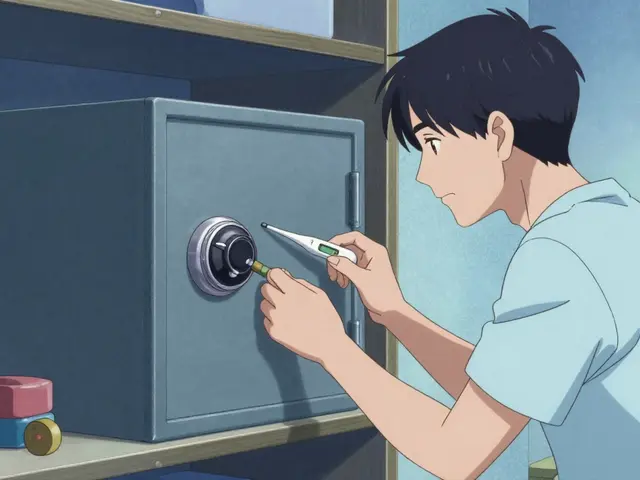
You don’t need a fancy safe. A locked tool box, a small gun safe, a locked drawer in a dresser, or even a locked filing cabinet works. The goal isn’t to impress anyone-it’s to stop a curious child or a well-meaning relative from grabbing a bottle. Here’s a real example: A mom moved into a new house and packed her son’s ADHD meds in a box with books. The movers left the box in the garage for two days. The temperature hit 102°F. The pills were still in the bottle. But they were useless. He had a panic attack on day three because his meds didn’t work. That’s preventable. Lock your meds. Even if it’s just a drawer with a padlock. Even if you’re only there for a week.What to Do After You Move
Once you’re settled, don’t just toss your meds into the new bathroom cabinet. Reorganize. - Set up a permanent storage spot: cool, dry, locked, out of reach. - Check expiration dates again. Move dates can slip by. - Make sure all prescriptions are transferred to a local pharmacy. Don’t rely on old bottles from your last town. - Tell your kids: “These aren’t candy.” Show them what a locked medicine box looks like.When to Call Your Doctor or Pharmacist
Not sure about a medication’s stability? Call them. Seriously. Pharmacists are trained for this. They know which drugs are sensitive to heat, light, or moisture. Ask:- “Is this medication affected by temperature?”
- “Can I still use this if it was left in the car for a day?”
- “Do I need to refill this before I move?”
Can I store medications in the kitchen during a move?
Yes-but only if it’s a cool, dry spot away from the stove, sink, or window. Kitchens are often too warm or humid. If you must use it, pick a cabinet far from the dishwasher or refrigerator. Always keep meds in their original bottles and lock them if kids are around.
What if my insulin gets too hot during the move?
If insulin is exposed to temperatures above 86°F for more than a few hours, it can lose potency. You won’t see any visible change, but it may not work. Always carry it with you in a cooler with ice packs. If you suspect it’s compromised, don’t use it. Call your pharmacy for a replacement.
Should I throw away expired medications before moving?
Yes. Expired meds are unpredictable. Some lose strength. Others break down into harmful chemicals. Don’t pack them. Dispose of them properly before you move-either through a take-back program or by mixing them with coffee grounds and sealing them in a bag before trashing.
Can I pack my medications in checked luggage during a move?
Never. Checked bags can sit in extreme temperatures for hours. They can also get lost or opened. Always carry all your medications in your carry-on or personal bag. Keep them in original bottles with labels intact.
How do I know if a medication has gone bad?
Look for changes: pills that are cracked, discolored, or smell strange. Liquids that are cloudy, separated, or have particles. If in doubt, don’t take it. Call your pharmacist. It’s better to be safe than sorry.
Are medicine lockboxes worth buying?
Yes-if you have kids, teens, or visitors who might be tempted. Lockboxes cost $20-$60 and are easy to install. They’re not just for opioids or controlled substances. Even common painkillers like ibuprofen or oxycodone can be dangerous if misused. A lockbox is a simple, cheap way to prevent accidents.
Home renovations and moves are stressful enough. Don’t let your medications add to the risk. Plan ahead. Lock it up. Keep it cool. Dispose of what you don’t need. Your family’s safety depends on it.



Kinnaird Lynsey
December 18, 2025 AT 01:21Matt Davies
December 19, 2025 AT 14:17mark shortus
December 20, 2025 AT 23:35Elaine Douglass
December 21, 2025 AT 00:50Emily P
December 22, 2025 AT 13:21Vicki Belcher
December 23, 2025 AT 22:40Aboobakar Muhammedali
December 25, 2025 AT 13:29Laura Hamill
December 26, 2025 AT 09:21Alana Koerts
December 28, 2025 AT 01:25Dikshita Mehta
December 28, 2025 AT 02:19