
Why Emergency Medication Storage Matters
In 2022, the DEA reported over 5,200 incidents of controlled substance theft or loss. This isn’t just a statistic-it’s a stark reminder that emergency medications must be both accessible and secure. When stored improperly, life-saving drugs like epinephrine or naloxone can become dangerous. Too loose, and they risk misuse or theft. Too tight, and they might not be available during a crisis. Finding that balance is critical for safety.
Emergency medications are pharmaceuticals like epinephrine, naloxone, and insulin that must balance immediate access during crises with security to prevent misuse. Proper storage ensures they work when needed most while keeping them away from children or unauthorized users.Home Storage Best Practices
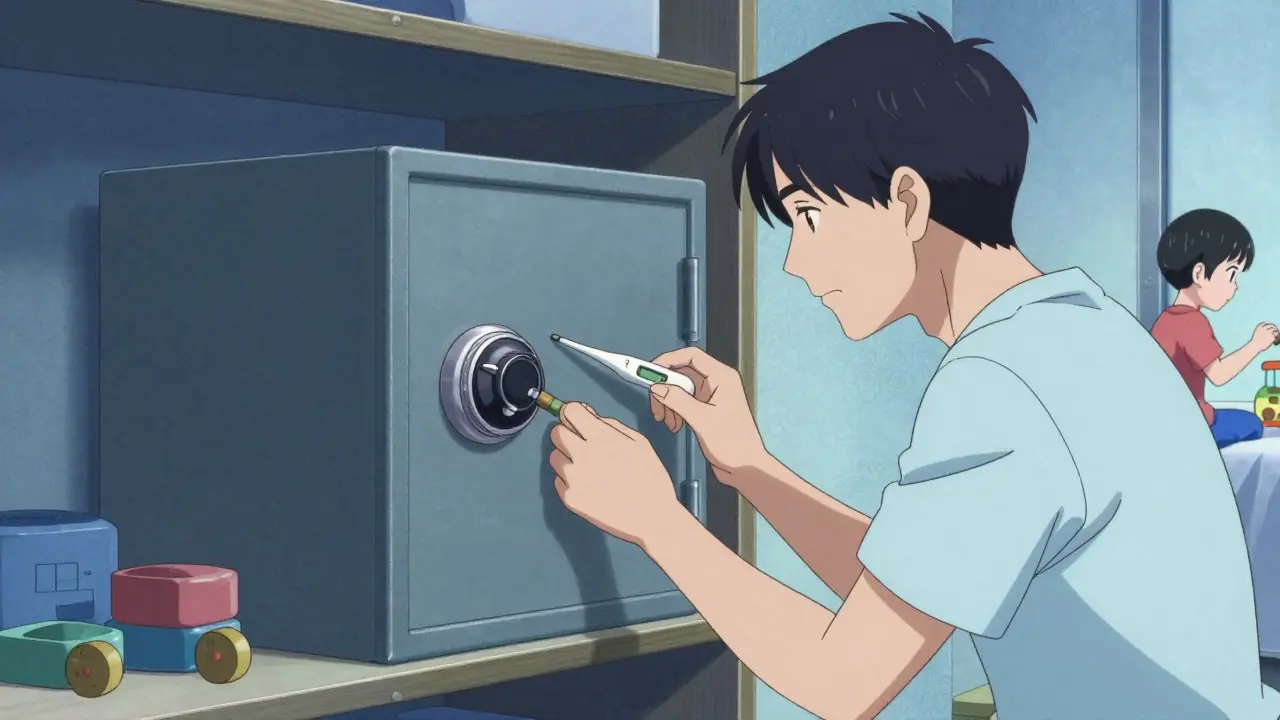
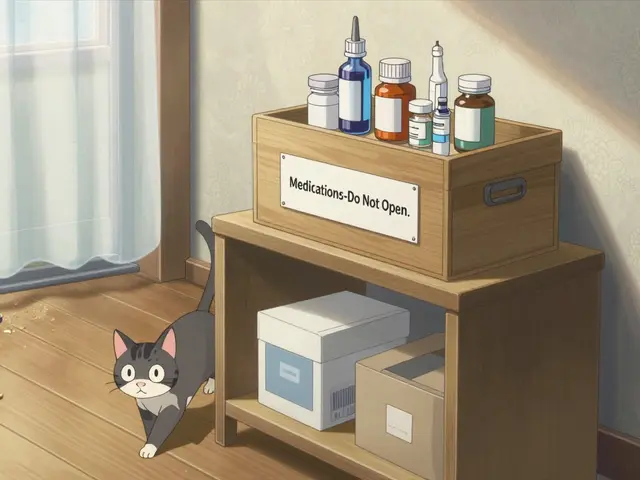
At home, medications should be stored in a locked cabinet or safe, but accessible to adults. The EPA recommends avoiding bathrooms due to humidity, which degrades pills. Kitchens are risky too-heat from stoves or sunlight can spoil drugs. Instead, choose a cool, dry place like a bedroom closet. Use a medicine safe with a combination lock or key that only trusted adults know. Never leave pills on countertops or in easily accessible drawers. For families with kids, teach them that medicine isn’t candy. Keep it out of sight and reach.
Specific drugs need special care. Epinephrine auto-injectors (like EpiPens) should stay at room temperature (68°F-77°F). Refrigeration can damage them, though always check the manufacturer’s label. Naloxone for opioid overdoses also prefers room temperature. Insulin requires refrigeration until opened, then can stay unrefrigerated for short periods. Keep these details visible near the storage spot.
Childcare and School Settings
Childcare facilities have unique rules. Emergency meds like epinephrine or antihistamines for allergies must be accessible to staff but out of children’s reach. The CDC’s PROTECT Initiative advises: "Never leave medicine on a kitchen counter. Put medicines away every time." Schools typically store these in a locked drawer or cabinet in the nurse’s office. Staff should know where keys or codes are kept. For schools with multiple buildings, keep a backup supply in a secure location. Always document who has access and when meds are used.
Check state laws-some require specific locks for childcare settings. For example, California mandates that medications be stored in a locked container when not in use. Regularly review storage protocols with staff. A 2023 study found 85% of healthcare workers achieved proficiency after two training sessions on medication security, so consistent education matters.

EMS and Hospital Protocols
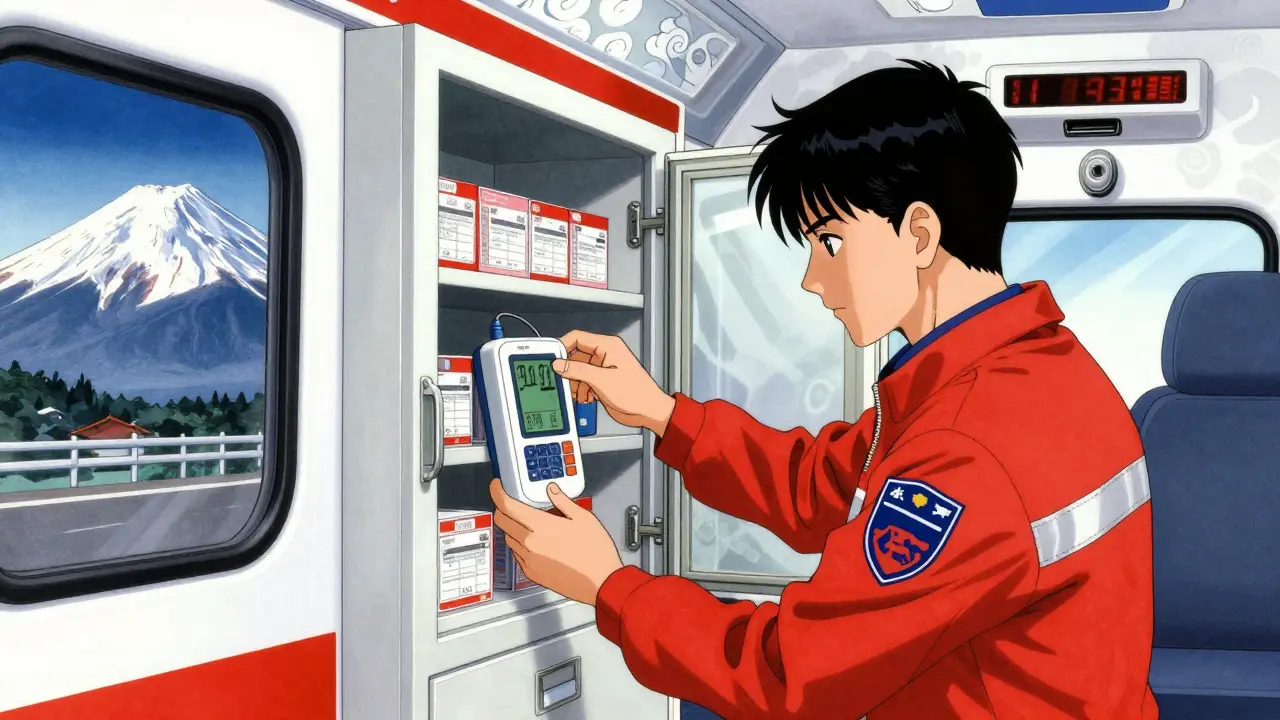
In ambulances, medications must be stored in lockable cabinets that stay secured when not in use. Keys or access codes should only be with supervising EMS personnel. Temperature control is critical here. The Nevada EMS guidelines (NVERS, 2024) state that refrigerated drugs need 2°C-8°C (36°F-46°F), while room-temperature drugs must stay between 20°C-25°C (68°F-77°F). Portable temperature monitors alert staff if conditions fall outside these ranges. A University of Michigan 2022 study showed FDA-approved devices like TempTraq are 99.2% accurate in field tests.
Hospitals follow Joint Commission standards (MM.03.01.03). Emergency carts in ICUs or ERs may stay unlocked when staff are present but locked when not in use. For departments not staffed 24/7, meds must be stored in locked locations. The Joint Commission emphasizes individualized risk assessments. Dr. Jane Smith, Johns Hopkins Chief Medical Officer, noted in JAMA Internal Medicine (2023): "Optimal storage achieves the delicate balance between preventing diversion and ensuring immediate availability during critical moments."
Temperature Control Secrets
Heat is the enemy of many medications. The FDA defines excessive heat as any temperature above 40°C (104°F). Even short exposure can ruin drugs. For example, insulin loses effectiveness if left in a hot car. Always store medications in climate-controlled areas. During transport, use insulated bags with cooling packs for refrigerated drugs. For room-temperature meds, avoid direct sunlight or heat sources.
Check labels for specific instructions. Some manufacturers recommend refrigeration even if the DEA or FDA guidelines say room temperature. A 2022 FDA review found only 43% of prescription labels include clear storage instructions. When in doubt, ask a pharmacist. They can clarify if a drug needs special handling. For epinephrine, the American Heart Association says room temperature is fine, but some brands differ-always verify.
Common Mistakes and Fixes
Here are frequent errors and how to avoid them:
- Storing in bathrooms: Humidity ruins pills. Move them to a dry closet.
- Leaving meds in cars: Summer temperatures can hit 150°F. Keep them in your home or office.
- Using weak locks: Cheap padlocks can be picked. Choose tamper-evident locks that show forced entry.
- Ignoring expiration dates: Expired epinephrine or naloxone may not work. Replace them on schedule.
- Not checking temperature: Use a $20 digital thermometer to monitor storage areas. Set alarms for unsafe ranges.
EMS providers face unique challenges. A 2022 National EMS Survey found 17.3% reported delays due to security protocols. Solution? Train all staff on quick-access procedures. For example, keep emergency keys in a break-glass box visible to responders. Regularly test systems to ensure they work during real emergencies.
Quick Storage Checklist
- Store meds in a locked cabinet or safe-never in open drawers.
- Keep temperature between 20°C-25°C (68°F-77°F) for most drugs.
- Check labels for refrigeration needs (e.g., insulin).
- Use tamper-evident locks that show if someone tried to open them.
- Replace expired meds immediately-don’t wait.
- Train everyone who might need access on protocols.
- Monitor storage areas with digital thermometers.
Can I store epinephrine in the fridge?
Most epinephrine auto-injectors should stay at room temperature (68°F-77°F). Refrigeration can damage them, though always check the manufacturer’s label. If unsure, contact your pharmacist. Some brands require refrigeration, but this is rare.
What’s the best way to lock up meds at home?
Use a dedicated medicine safe with a combination lock or key only known to adults. Avoid cheap padlocks-they can be picked easily. Place it in a bedroom closet, not the bathroom or kitchen. For families with kids, teach them medicine isn’t candy and keep it out of sight.
How do I know if my meds are still safe after temperature changes?
Look for changes in color, texture, or smell. If pills are sticky, discolored, or have a strange odor, discard them. Use a portable temperature monitor to track storage conditions during transport. If unsure, consult your pharmacist-they can test the drug’s effectiveness.
Are there legal requirements for storing emergency medications?
Yes. DEA regulations require controlled substances in locked cabinets. State laws vary-some mandate specific locks for EMS vehicles or childcare facilities. For example, Washington State requires tamper-evident locks on emergency drug boxes. Always check local guidelines and update protocols annually.
What should I do if my emergency meds are stolen?
Report theft immediately to local law enforcement and your pharmacy. Contact the DEA if controlled substances are involved. Replace the medication ASAP-delays could be life-threatening. Review security protocols to prevent future incidents, like adding cameras or upgrading locks.

Georgeana Chantie
February 6, 2026 AT 18:23EPA says avoid bathrooms? That's outdated. I store my meds there and they're fine. 🤷♀️
Jennifer Aronson
February 6, 2026 AT 19:33While I understand the concern, cultural contexts matter. In some households, especially in urban areas, bathroom storage is common due to space constraints. Alternatives like hidden compartments in bedrooms could work better. It's about balancing security and accessibility.
Kate Gile
February 7, 2026 AT 06:31Locking meds is crucial, but education is key. Teaching kids that medicine isn't candy and ensuring adults know where to find it quickly can save lives. Let's focus on making storage accessible without compromising safety.
Gregory Rodriguez
February 7, 2026 AT 23:30Oh sure, cultural contexts! Because nothing says 'secure storage' like hiding meds in a sock drawer. Sure, that's totally safe. 😏
anjar maike
February 9, 2026 AT 09:22Use a locked box in the bedroom. No bathroom humidity. Just make sure it's not too high up so you can reach it in an emergency. 🌟
Arjun Paul
February 10, 2026 AT 18:32Exactly. Sock drawers are a terrible idea. You need a proper lockbox. Anything else is irresponsible. No room for error here.
divya shetty
February 11, 2026 AT 18:39Storing meds in the bathroom ruins them. Period.
Nancy Maneely
February 12, 2026 AT 02:00OMG, yes! I had a friend who left her epinephrine in the bathroom and it went bad. Total disaster. We need to stop being lazy and follow the rules. 💀
Phoebe Norman
February 13, 2026 AT 07:39Pharmaceuticals lose efficacy due to humidity and temp fluctuations. Proper storage protocols are non-negotiable.
Albert Lua
February 14, 2026 AT 18:59Wow, that's some serious jargon. But yeah, keeping meds in a cool dry place is key. I always check my storage temps with a digital thermometer. Works like a charm. 🤓
Katharine Meiler
February 15, 2026 AT 04:42Proper storage of emergency medications is absolutely critical. I've personally seen cases where expired epinephrine was used during an allergic reaction, leading to severe complications. It's not just about keeping them locked up; it's about understanding how environmental factors like humidity, temperature, and light exposure can degrade the medication's effectiveness. For instance, insulin stored in a hot car can lose potency within hours. Always check the manufacturer's guidelines for each specific drug. Some require refrigeration, others room temperature. And don't forget to replace expired medications immediately - using outdated drugs can be life-threatening. Also, educating family members on where the meds are stored and how to access them quickly in an emergency is just as important as the storage itself. In my experience, a locked cabinet in a bedroom closet works best because it's secure yet accessible to adults. Make sure to label the cabinet clearly so everyone knows where it is. Regularly check the storage area for any signs of moisture or temperature issues. A simple digital thermometer can prevent a lot of problems. Finally, always have a backup plan in case of emergencies, like keeping a small supply in a different location. Remember, safety is about preparation, not just reacting when it's too late.
Lana Younis
February 15, 2026 AT 05:33Yeah, I always replace my meds on schedule. But also, using a locked safe in the bedroom is the best. No humidity, easy access. Just make sure the kids don't know where it is. 😊
Matthew Morales
February 16, 2026 AT 08:31locked safe in bedroom is good. But sometimes the combo is hard to remember. Maybe a fingerprint lock would be better? Just sayin' 😅
Dr. Sara Harowitz
February 18, 2026 AT 02:56Storing meds in the bathroom is a huge mistake. Always use a locked cabinet in a dry place. This is basic medical knowledge.