
Robo Tripping: What It Is, Why It's Dangerous, and What You Need to Know
When people talk about robo tripping, the recreational misuse of cough medicines containing dextromethorphan. Also known as DXM abuse, it’s when someone takes far more than the recommended dose of over-the-counter cold meds to chase a hallucinogenic high. It sounds like something from a teen movie, but this isn’t fiction. Every year, emergency rooms see young people who thought they were just having fun—until their heart raced out of control, their vision blurred into static, or they stopped breathing.
What’s in these pills? The main ingredient is dextromethorphan, a cough suppressant found in more than 120 OTC products. It’s safe at normal doses, but at 5 to 10 times the recommended amount, it starts acting like PCP or ketamine. That’s when you get the dissociation, the distorted senses, the loss of coordination. But here’s the catch: those same pills often contain acetaminophen, antihistamines, or pseudoephedrine. Mix those with high doses of DXM, and you’re not just tripping—you’re risking liver failure, dangerously high blood pressure, or a seizure.
People think because it’s sold on drugstore shelves, it’s harmless. But that’s the trap. You don’t know what’s in the bottle unless you read the label—and even then, most users don’t. One study from the CDC found that nearly 40% of teens who abused DXM didn’t realize it could cause permanent brain damage. And it’s not just teens. Adults with anxiety or depression sometimes turn to it as a cheap, easy escape. The problem? It doesn’t fix anything. It just trades one set of problems for worse ones.
If you’ve ever wondered why someone would risk their health for a few hours of altered perception, the answer isn’t just curiosity. It’s access. These pills are cheaper than alcohol, easier to get than marijuana, and legal in every state. But legality doesn’t mean safety. The body doesn’t care if it’s FDA-approved—it only reacts to the chemicals. And dextromethorphan at high doses? It messes with serotonin, dopamine, and NMDA receptors all at once. That’s not a party. That’s neurochemistry chaos.
There’s no safe way to do this. No dosage that turns it from risky to fun. Even one extra pill can push someone over the edge. And if you’re mixing it with alcohol, antidepressants, or stimulants? You’re playing Russian roulette with your brain.
Below, you’ll find real stories and science-backed facts about what happens when people take too much cough medicine—not just the high, but the crash, the hospital visits, the long-term damage. You’ll also learn how to spot the signs in someone you care about, and what to do if it’s already gone too far. This isn’t about judging. It’s about surviving.
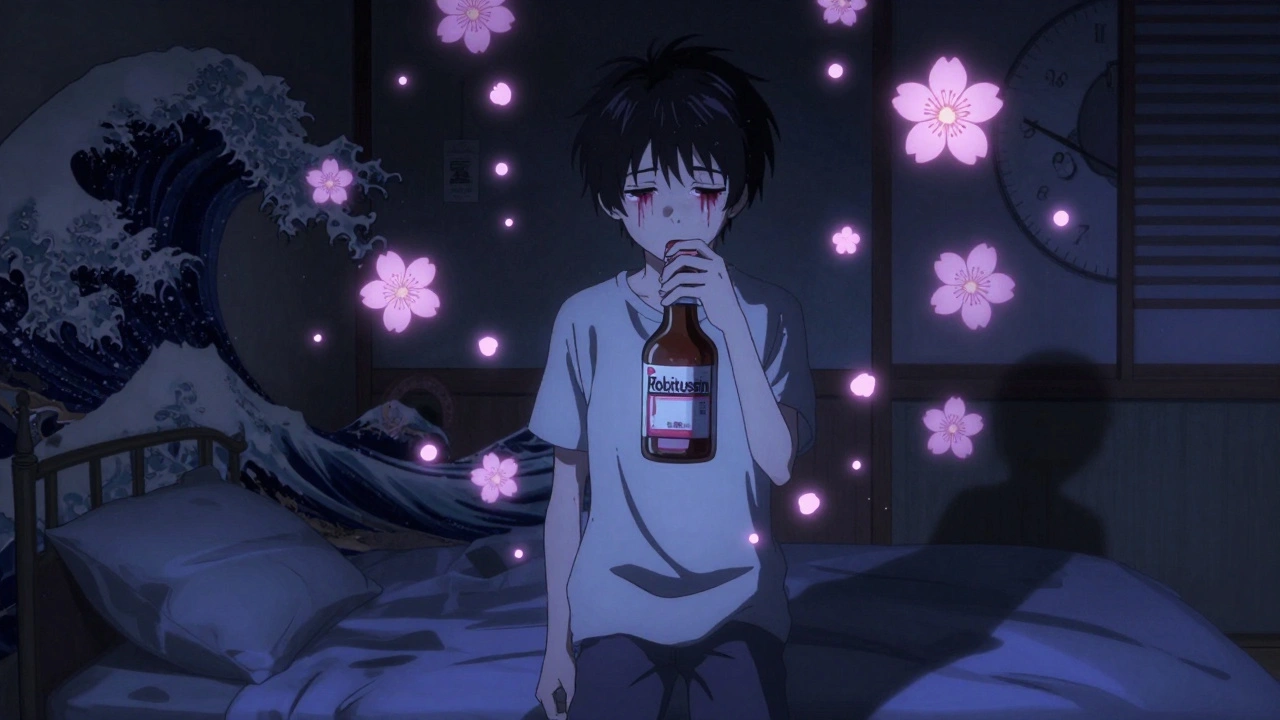
How Dextromethorphan (DXM) Abuse Happens with OTC Cough Syrups
Dextromethorphan (DXM) in OTC cough syrups is being abused for its hallucinogenic effects, especially by teens. High doses cause dissociation, organ damage, and even death. Learn how it happens, why it's dangerous, and what you can do.