
Recalled Drugs: What You Need to Know About Unsafe Medications
When a recalled drug, a medication removed from the market due to safety, quality, or labeling issues. Also known as withdrawn medication, it can pose real risks if taken unknowingly. A recalled drug isn’t just a mistake—it’s a signal that something went wrong in manufacturing, testing, or distribution. These recalls happen because pills might contain toxic impurities, lack the right active ingredient, or come in broken packaging. The FDA, the U.S. agency responsible for overseeing drug safety and approving medications issues most of these alerts, but recalls can also come from manufacturers or international regulators. You don’t need to be a pharmacist to understand what this means for you—just someone who takes medicine.
Recalls aren’t rare. In 2023 alone, over 1,200 drug recalls were reported in the U.S., from common blood pressure meds to generic antibiotics. Some are Class I—the most serious—meaning they could cause serious harm or death. Others are Class III, where the risk is low but still worth checking. The problem isn’t always the drug itself. Often, it’s the pharmaceutical quality, the consistency and purity of drug ingredients during production. For example, contaminated batches of valsartan or ranitidine made headlines because they included cancer-causing chemicals. Even Chinese generic drugs, medications made in China that supply most of the world’s active pharmaceutical ingredients have been linked to recalls due to inconsistent inspection standards. If your medication looks different, smells odd, or comes in a strange package, it’s not just paranoia—it’s a red flag.
Knowing what to do when a drug is pulled saves lives. Check your pills against the FDA’s recall list. Look for lot numbers on the bottle. Talk to your pharmacist—they track recalls better than most doctors. Don’t stop taking a med without advice, but don’t keep using it if it’s been flagged. Many of the posts below show how people caught problems early through medication safety practices like brown bag reviews or smart pill dispensers. Others highlight how drug interactions, manufacturing flaws, or labeling errors led to harm. Whether it’s a recalled diabetes drug causing dangerous sugar swings or a contaminated antibiotic causing kidney damage, the pattern is the same: awareness prevents tragedy. Below, you’ll find real cases, practical checks, and clear explanations about why some drugs disappear from shelves—and how to make sure yours isn’t one of them.
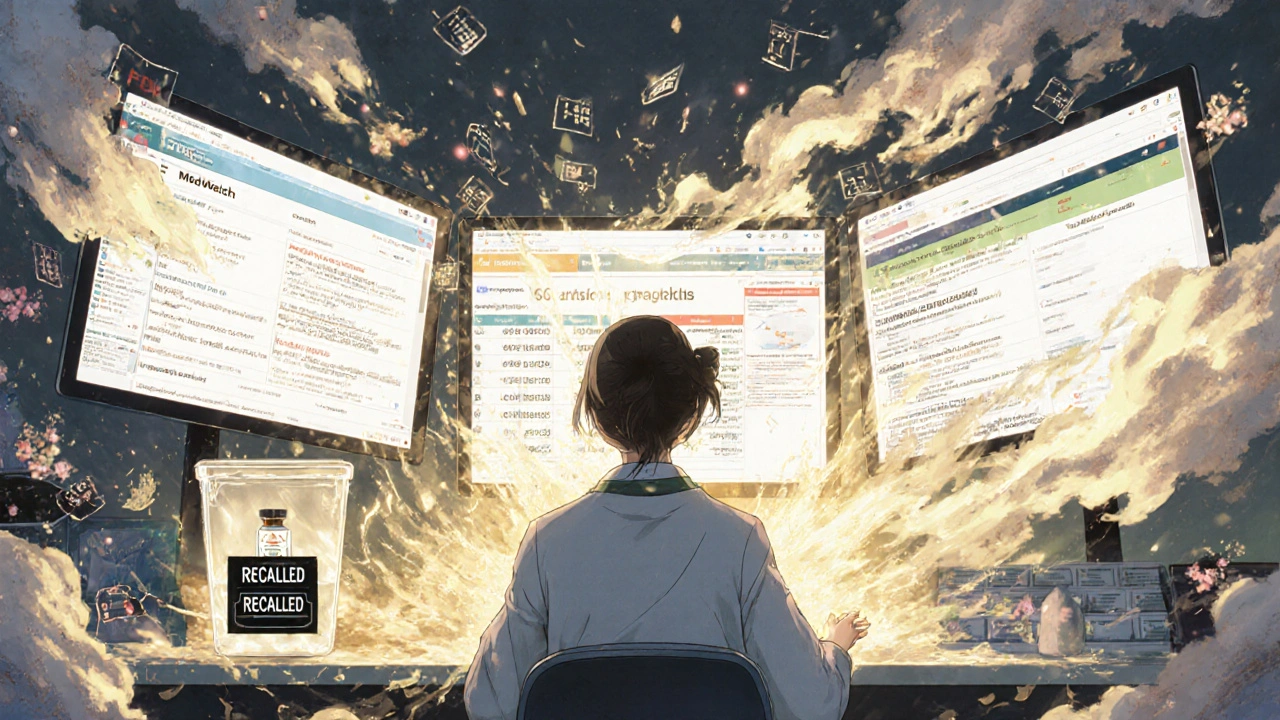
How to Verify Recall Notices and Affected Medication Lots
Learn how to verify drug recall notices and affected medication lots using FDA guidelines, step-by-step protocols, and real-world best practices to protect patients and avoid legal risks.