
Pharmaceutical Costs: Why Prices Rise and How to Navigate Them
When you pick up a prescription, the price tag can feel random—sometimes it’s $5, other times it’s $500. That’s because pharmaceutical costs, the total price patients and systems pay for medications, including manufacturing, marketing, and distribution expenses. Also known as drug pricing, it’s not just about the pill—it’s about patents, competition, and who’s paying. The same drug can cost $10 in one country and $200 in another, not because it’s better, but because of how the system works.
One big reason for high costs is the lack of competition. brand name drugs, medications sold under a company’s proprietary name after patent protection. Also known as originator drugs, they often carry high prices because the maker has no rivals for years. Once the patent expires, generic drugs, medications with the same active ingredient as brand-name versions but sold at lower prices after patent expiration. Also known as non-brand drugs, they can drop the cost by 80% or more. But even generics aren’t always cheap—some stay expensive because only one or two companies make them, or because raw materials are hard to source. That’s why a generic version of a heart drug might cost $400, while another generic for the same condition is $5.
It’s not just about the drug itself. Insurance, prior authorizations, and pharmacy benefit managers all play roles in what you pay at the counter. A drug might be listed at $150, but your copay is $20 because your plan negotiated a discount. Another might be $10 on paper, but your insurer won’t cover it unless you try three cheaper drugs first. That’s the reality of medication affordability, how accessible and financially feasible a drug is for patients based on price, coverage, and out-of-pocket costs. It’s not always about what’s cheapest—it’s about what’s allowed.
And it’s not just patients who feel the pressure. Doctors are caught in the middle—prescribing the best drug for your condition, but also worrying about whether you can afford it. That’s why so many posts here talk about switching from one statin to another, comparing gabapentin to pregabalin, or checking if a generic version of Accupril works just as well. These aren’t just clinical choices—they’re financial ones too.
You’ll find real examples in the posts below: how switching between generics can save money—or risk your health if you’re on warfarin or levothyroxine. How Chinese manufacturers supply most of the world’s drug ingredients, but quality gaps can drive up long-term costs. How insurance delays and prior authorizations turn a simple refill into a weeks-long battle. And how some of the most expensive drugs aren’t even the newest ones—they’re old, off-patent drugs with no competition left.
There’s no single fix for high pharmaceutical costs. But knowing how the system works—what’s behind the price, who controls it, and where the real savings are—gives you power. The posts here don’t just list facts. They show you how to ask the right questions, spot unnecessary costs, and get the care you need without paying more than you have to.
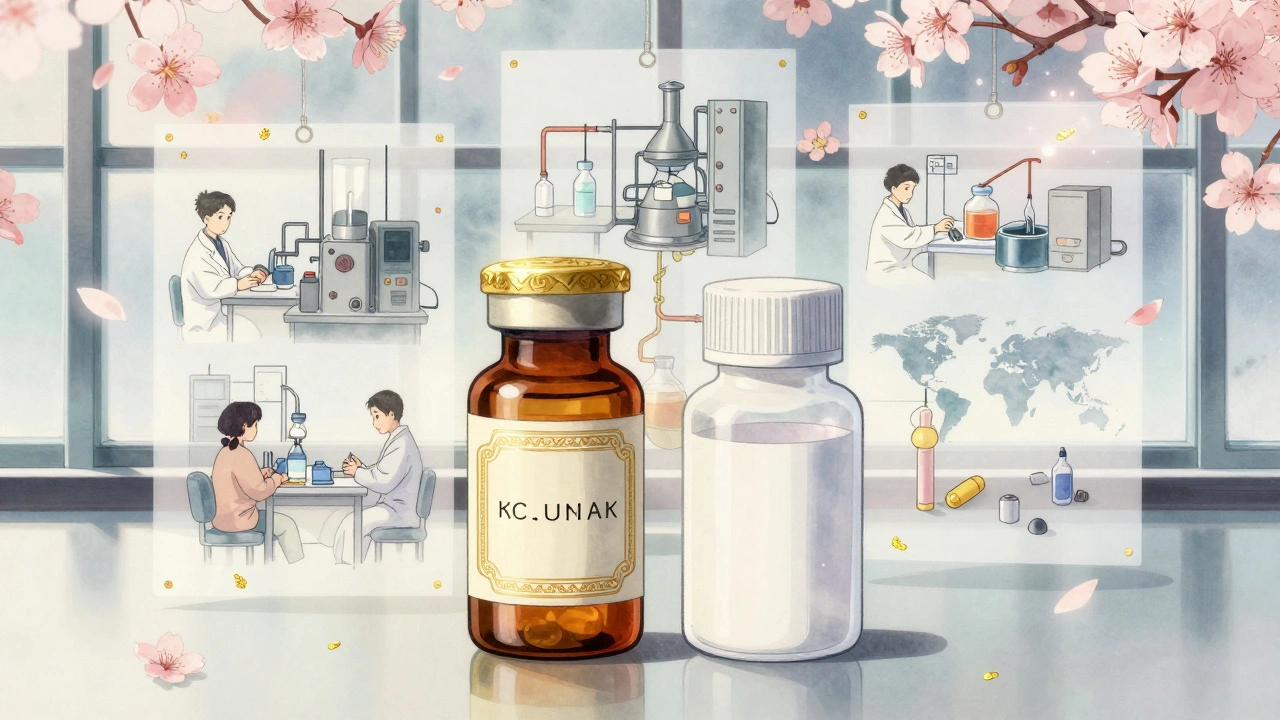
Manufacturing Cost Analysis: Why Generic Drugs Are So Much Cheaper
Generic drugs cost far less than brand-name versions because they skip expensive R&D, rely on economies of scale, and face fierce competition. Learn how manufacturing efficiency drives down prices without sacrificing safety or effectiveness.