FDA Drug Safety: What You Need to Know About Recalls, Interchangeability, and Medication Risks
When it comes to FDA drug safety, the U.S. Food and Drug Administration’s system for monitoring prescription and over-the-counter medications to prevent harm. Also known as pharmaceutical oversight, it’s the backbone of how we know if a pill is safe to take—or if it should be pulled from shelves. This isn’t just paperwork. It’s what stops contaminated blood pressure meds, faulty insulin batches, or dangerous drug combinations from reaching you.
Under drug recall, the process by which the FDA forces or requests manufacturers to remove unsafe medications from the market, thousands of lots get pulled every year—not because of massive disasters, but because of tiny flaws: a mislabeled bottle, a degraded active ingredient, or a contaminant found during routine testing. You can check these recalls yourself using the NDC code on your pill bottle. The FDA doesn’t always announce every recall loudly, so knowing how to verify lot numbers and expiration dates is part of your personal safety routine.
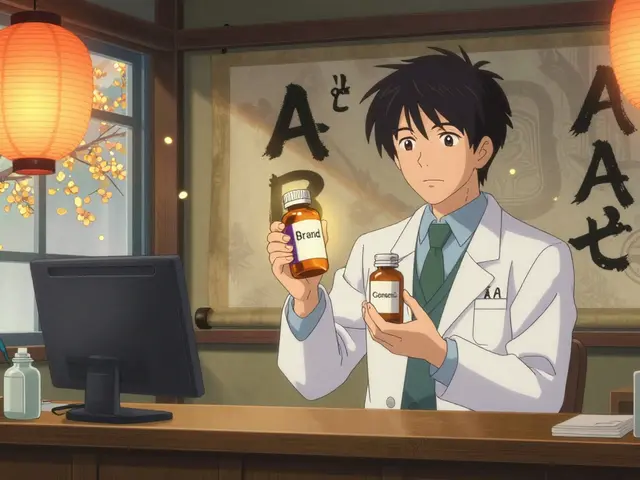
generic drugs, lower-cost versions of brand-name medications that must meet the same FDA standards for effectiveness and safety make up 90% of prescriptions in the U.S. But quality isn’t always consistent. Many are made overseas, and FDA inspections can’t cover every factory. That’s why shelf life matters—some generics degrade faster than others, especially in heat or humidity. And when a generic is swapped for a brand name without your knowledge, you might not realize you’re getting a different formulation that affects how your body absorbs it.
biosimilars, complex biologic drugs that mimic other biologics but aren’t exact copies add another layer. Not all biosimilars can be automatically substituted at the pharmacy. Only those with FDA’s special "interchangeable" designation can be swapped without your doctor’s approval—and even then, state laws vary. If you’re on a biologic for rheumatoid arthritis or Crohn’s, you need to know whether your new prescription is just a cheaper version—or one your body might react differently to.
And then there’s the real danger: medication risks that fly under the radar. DPP-4 inhibitors causing joint pain. Decongestant sprays leading to rebound congestion. Opioids messing with workplace safety. These aren’t rare side effects—they’re documented, reported, and tracked by the FDA. But if you don’t know what to look for, you might blame yourself for the side effect instead of questioning the drug.
What you’ll find below isn’t theory. It’s real cases: how a brown bag review saved someone from five unnecessary pills, why Chinese-made API batches keep showing up in recalls, how smart pill dispensers help seniors avoid dangerous misses, and what to do when your blood pressure med gets pulled. These aren’t isolated stories—they’re patterns. And understanding them means you’re not just a patient. You’re an active part of FDA drug safety.

How the FDA Monitors Drug Safety After Medication Approval
The FDA uses advanced systems like FAERS and Sentinel to track drug side effects after approval. Learn how it detects hidden risks, what happens when problems are found, and how patients can help.