Narrow Therapeutic Index: Why Some Medications Can't Be Swapped Without Risk
When a drug has a narrow therapeutic index, a range between the effective dose and the toxic dose that’s very small. Also known as narrow therapeutic range, it means even tiny changes in how the drug is absorbed or processed can push you from healing to harm. This isn’t just a technical detail—it’s a life-or-death factor for people taking medications like warfarin, lithium, or phenytoin.
These drugs don’t play nice with substitutions. A generic version might look identical, but slight differences in fillers, coatings, or how fast it dissolves can change blood levels enough to cause seizures, bleeding, or organ damage. The generic drugs, lower-cost versions of brand-name medications approved by the FDA are fine for most conditions, but for drugs with a narrow therapeutic index, regulators treat them differently. That’s why some states don’t allow automatic substitution at the pharmacy without your doctor’s okay.
It’s not just about generics. Even switching between brand-name versions of the same drug can be risky if the formulations differ. That’s why patients on these medications often get the same brand, same batch, and same pharmacist over years. Your body gets used to that exact version. Change it, and your levels might drift. The drug safety, the ongoing process of monitoring how medications affect people after they’re on the market systems like FAERS and Sentinel were built partly to catch these subtle but dangerous shifts.
People on these drugs need more than just a prescription—they need awareness. Did you know that taking your thyroid medication with coffee or calcium can throw off your dose? Or that certain antibiotics can make your blood thinner too strong? That’s why brown bag reviews, medication reconciliation, and regular blood tests aren’t optional—they’re your safety net. The therapeutic window, the range of drug concentration in the blood that works without causing harm for these drugs is so tight, even your diet or kidney function can tip the balance.
If you’re on one of these medications, don’t assume all versions are equal. Ask your pharmacist if your refill is the same as last time. Keep a list of your exact drug names and doses. And if you ever feel off—dizzy, confused, bruising easily, or having irregular heartbeat—don’t wait. That could be your body telling you the dose just shifted. The posts below cover real cases, research, and practical steps to avoid dangerous mistakes with these high-risk drugs. You’ll find what works, what doesn’t, and how to speak up when something feels wrong.
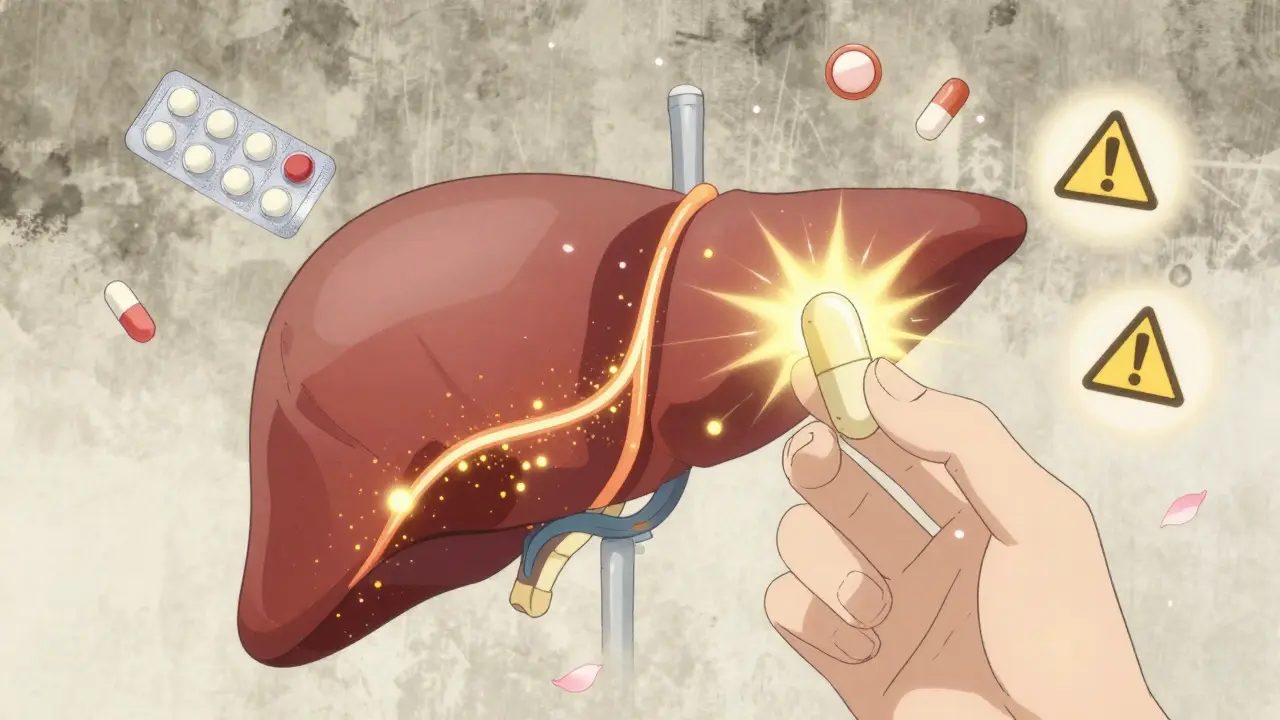
Carbamazepine Generics: Enzyme Induction and Drug Interactions Explained
Carbamazepine generics can cause dangerous drops in drug levels due to enzyme induction and narrow therapeutic index. Learn why switching brands can trigger seizures, how to monitor levels, and which interactions are life-threatening.
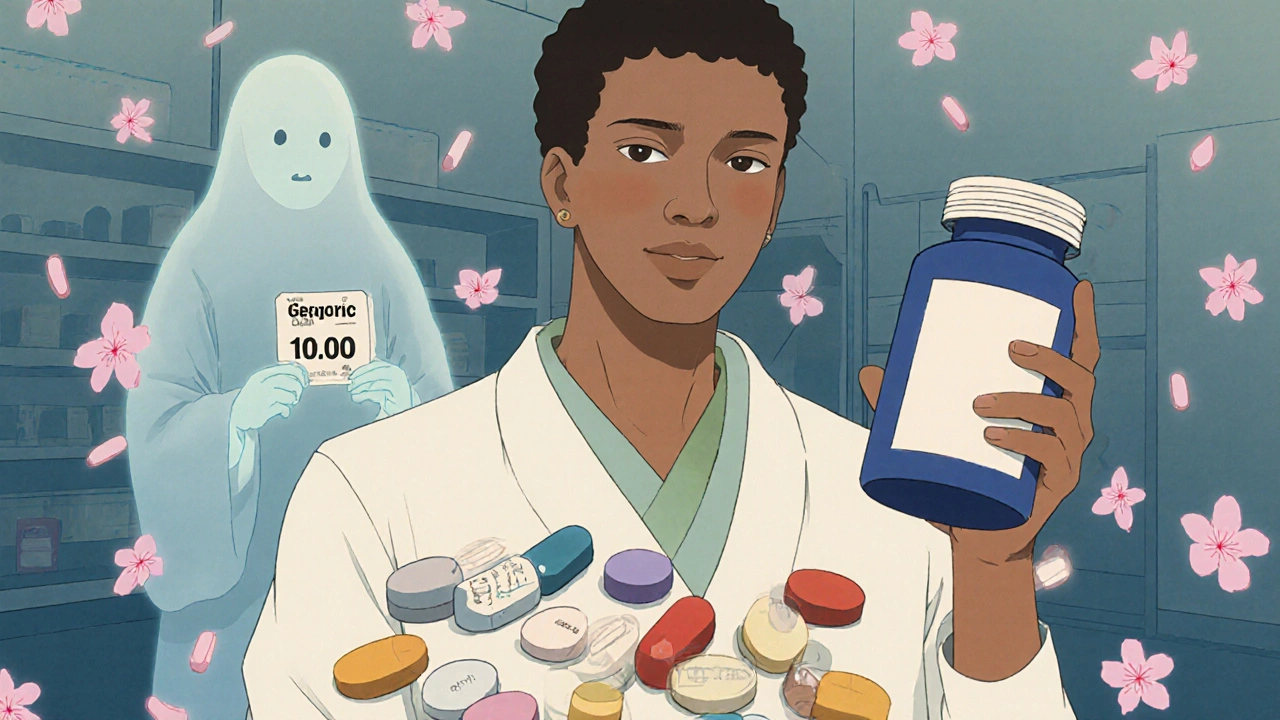
Switching Between Generic Medications: What You Need to Know
Switching between different generic medications is common and usually safe, but for drugs with narrow therapeutic indexes like levothyroxine or warfarin, it can cause serious health risks. Learn how to protect yourself.