Imagine finding a loved one unresponsive on the couch. You aren't sure if they're deep in sleep or in a medical crisis. In these moments, the difference between a tragedy and a recovery is often measured in seconds. When an opioid overdose happens, the window between respiratory arrest and death is a terrifying 4 to 6 minutes. You can't afford to spend that time searching for a phone number or guessing where the medication is kept. A overdose prevention plan turns you from a panicked bystander into a life-saving first responder.
What Exactly is a Family Overdose Emergency Plan?
A family overdose emergency plan is a personalized set of instructions designed to handle a medication crisis right in your own home. While cities have large-scale response systems, a family plan is about the immediate steps you take before the ambulance arrives. It is especially vital for households where opioids are prescribed for chronic pain or where a family member is recovering from addiction.
Think of it like a fire extinguisher. You hope you never have to touch it, but having it in a known location and knowing how to pull the pin can save your entire house. According to data from the National Institute on Drug Abuse, timely administration of naloxone is about 93% effective in reversing an overdose. The goal of your plan is to remove every possible delay in getting that medication into the system.
Step 1: Identify and Inventory Your Medications
You can't fight a fire if you don't know what's burning. The first part of your plan is a clear, honest inventory of every high-risk medication in the house. This isn't about judgment; it's about safety.
- List all prescriptions: Include the drug name, the dose (e.g., 10mg), and who it was prescribed for.
- Identify high-risk meds: Specifically mark opioids like oxycodone, hydrocodone, or morphine.
- Note the prescribing doctor: Keep the physician's name and clinic phone number on a shared list so EMS knows exactly who to contact.
- Check for "hidden" risks: Be aware of over-the-counter meds that might interact poorly with prescriptions, such as certain sleep aids or alcohol.
Step 2: Recognizing the Signs of an Overdose
The biggest hurdle in saving a life is often the "sleeping" myth. Many people assume a person is just crashing from a long day, but synthetic opioids like fentanyl work incredibly fast, sometimes causing unconsciousness within 2 to 3 minutes. You need to know the three critical "red flags" identified by the American Heart Association:
- Unresponsiveness: They don't wake up even if you rub your knuckles hard on their sternum or shout in their ear.
- Abnormal Breathing: Their breath is shallow, irregular, or happens fewer than 12 times per minute. Listen closely; you might hear "gurgling" or snoring sounds.
- Pinpoint Pupils: Their pupils are tiny dots, even in a dim room.
If you see two or more of these signs, you don't wait for a third. You act immediately.
Step 3: Managing Your Naloxone Toolkit
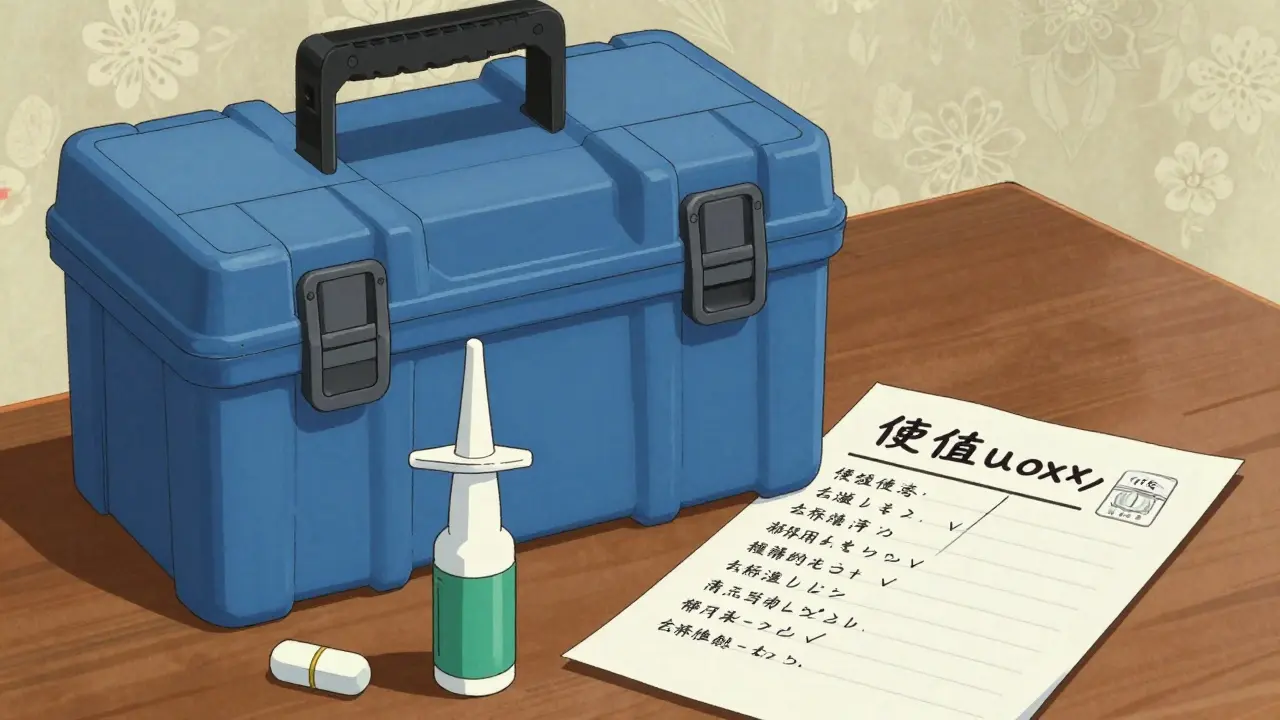
Naloxone is the gold standard for reversing opioid overdoses. It essentially "knocks" the opioids off the brain's receptors to wake the person up. However, not all naloxone is the same, and your plan must account for the specific type you own.
| Feature | Intranasal (e.g., Narcan) | Intramuscular Injection |
|---|---|---|
| Dosage | Typically 4mg per spray | 0.4mg to 2mg |
| Onset Time | 2 to 5 minutes | 1 to 2 minutes |
| Ease of Use | Very High (no needle) | Moderate (requires injection) |
Because potent synthetic opioids often require more than one dose to reverse, the Washington State Department of Health recommends keeping 2 to 3 doses on hand. You should also track the expiration date every 18 to 24 months. Store your kit at room temperature (between 68-77°F) and away from direct sunlight to keep the medication stable.
Step 4: The Emergency Response Sequence
When panic hits, your brain forgets how to process complex instructions. This is why you need a written, step-by-step sequence. Many experts recommend the A.N.C.H.O.R. protocol to keep the response organized:
- Assess: Check for responsiveness and breathing.
- Naloxone: Administer the first dose immediately.
- Call 911: Get professional help on the way. Be honest with the dispatcher about what was taken.
- Have more ready: Prepare a second dose of naloxone in case the first doesn't work.
- Observe: Put the person in the "recovery position" (on their side) to prevent choking.
- Review: Stay with them until EMS arrives.

Step 5: Planning for the "Aftermath" and Renarcotization
One of the most dangerous mistakes families make is thinking the crisis is over once the person wakes up. This is where "renarcotization" comes in. Naloxone is short-acting; it wears off in a few hours, but the opioids may still be in the person's system. This means they could slip back into an overdose 2 to 4 hours after they've woken up.
Your plan must include a monitoring phase. Never let a person who has just been revived leave the house alone or go to sleep immediately. They need professional medical evaluation to ensure their airway is stable and to determine if they need further treatment.
Common Pitfalls to Avoid
Even the best-intentioned plans can fail if you don't address the psychological and physical barriers. Here are a few things to watch out for:
- The "Just Sleeping" Trap: Don't assume they are fine. If you're unsure, give the naloxone. It will not harm someone who isn't overdosing on opioids.
- Expired Kits: Check your kit every few months. An expired dose might not be strong enough to reverse a fentanyl overdose.
- Incorrect Storage: Don't hide the kit in a locked safe. If you are the one who overdoses, your family needs to find it in seconds, not minutes. Use a designated, memorized spot like a specific kitchen drawer or a bedside table.
- The Fear of Legal Trouble: Many people hesitate to call 911. Remember that Good Samaritan laws in almost every state protect you from prosecution for drug possession when you are seeking emergency help for an overdose.
Getting Your Family Trained
A piece of paper is a start, but muscle memory is what saves lives. Spend 2 to 3 hours as a family going through the steps. If you can, take a short course through the American Red Cross or a local health department. These trainings significantly increase your confidence in recognizing the signs of a crisis.
Don't exclude teenagers. Many youth are the first ones to find a peer or sibling in trouble. Teaching them how to use a nasal spray can be the difference between a tragedy and a second chance.
Will naloxone hurt someone if they aren't actually overdosing?
No. Naloxone only works on opioid receptors. If the person is unconscious for another reason (like a diabetic coma or a stroke), naloxone will not cause harm, though it also won't wake them up. When in doubt, it is always safer to administer it.
How much does naloxone cost and where can I get it?
While retail prices can be high, many pharmacies offer it for $25 or less with insurance. Many state health departments and community clinics also provide free kits. Check with local pharmacies like CVS or Walgreens or your primary care provider.
What do I do if the person doesn't wake up after the first dose?
Wait 2 to 3 minutes. If there is no response, administer a second dose. High-potency synthetic opioids like fentanyl often require multiple doses to fully reverse the respiratory depression.
What is the recovery position and why is it used?
The recovery position involves rolling the person onto their side and tilting their head slightly back. This keeps the airway open and prevents them from choking if they vomit, which is common during the awakening phase of an overdose.
Can naloxone reverse overdoses from alcohol or benzodiazepines?
No. Naloxone only reverses opioids. If the overdose involves alcohol, benzodiazepines (like Xanax), or a mix of substances, naloxone will only address the opioid portion of the crisis. These cases are more complex and require immediate professional medical intervention.