Medication Reconciliation: Why It Saves Lives and How It Works
When you're taking multiple medicines, medication reconciliation, the process of comparing a patient's current medication list with new prescriptions to avoid errors. Also known as drug reconciliation, it's not just paperwork—it's a safety net that stops deadly mistakes before they happen. Think of it like checking your bank statement: if you see a charge you didn't make, you call the bank. With meds, a wrong dose, a missing drug, or a dangerous combo can land you in the ER—or worse.
It happens more than you think. A patient gets discharged from the hospital with a new list of pills, but their home meds weren’t fully reviewed. Maybe they were taking blood pressure medicine at home, but the hospital added a new one without removing the old one. Now they’re on two drugs that drop their blood pressure too far. Or maybe they stopped their diabetes pill because they felt fine, but the new doctor didn’t know—and now their sugar is soaring. These aren’t rare cases. Studies show that medication reconciliation cuts hospital readmissions by up to 25% when done right.
This isn’t just for hospitals. It matters when you switch doctors, fill a new prescription, or even when your pharmacist notices a conflict. Pharmacies now use electronic systems to flag dangerous combos—like mixing blood thinners with certain NSAIDs. But the human touch still matters. A nurse asking, "What are you actually taking right now?" can catch what a computer misses. That’s why the best reconciliation isn’t automated—it’s personal. It’s the moment someone sits down with you, your pill bottles, and your memory, and builds a clean, accurate list together.
It also connects to other critical safety practices. If you’ve ever checked a drug recall, an official notice that a medication batch is unsafe and should be returned. Also known as medication recall, it or used a smart pill dispenser, a device that tracks doses and sends reminders to improve adherence. Also known as pill reminder device, it, you’ve already seen tools that support this process. Reconciliation is the foundation. Without it, even the smartest tech can’t prevent errors.
And it’s not just about pills. It includes vitamins, supplements, and even over-the-counter stuff. People don’t always mention fish oil or melatonin—until they start bleeding or can’t sleep. That’s why a good reconciliation asks: What are you taking? Why? And when did you last take it?
Below, you’ll find real stories and practical guides from people who’ve been through it—workers on dangerous drugs, seniors using smart caps, patients caught in dangerous interactions, and families who learned the hard way why this step can’t be skipped. These aren’t theory pieces. They’re lessons from the front lines. Whether you’re a patient, a caregiver, or a health worker, this collection gives you the tools to make sure your meds are safe, accurate, and working for you—not against you.
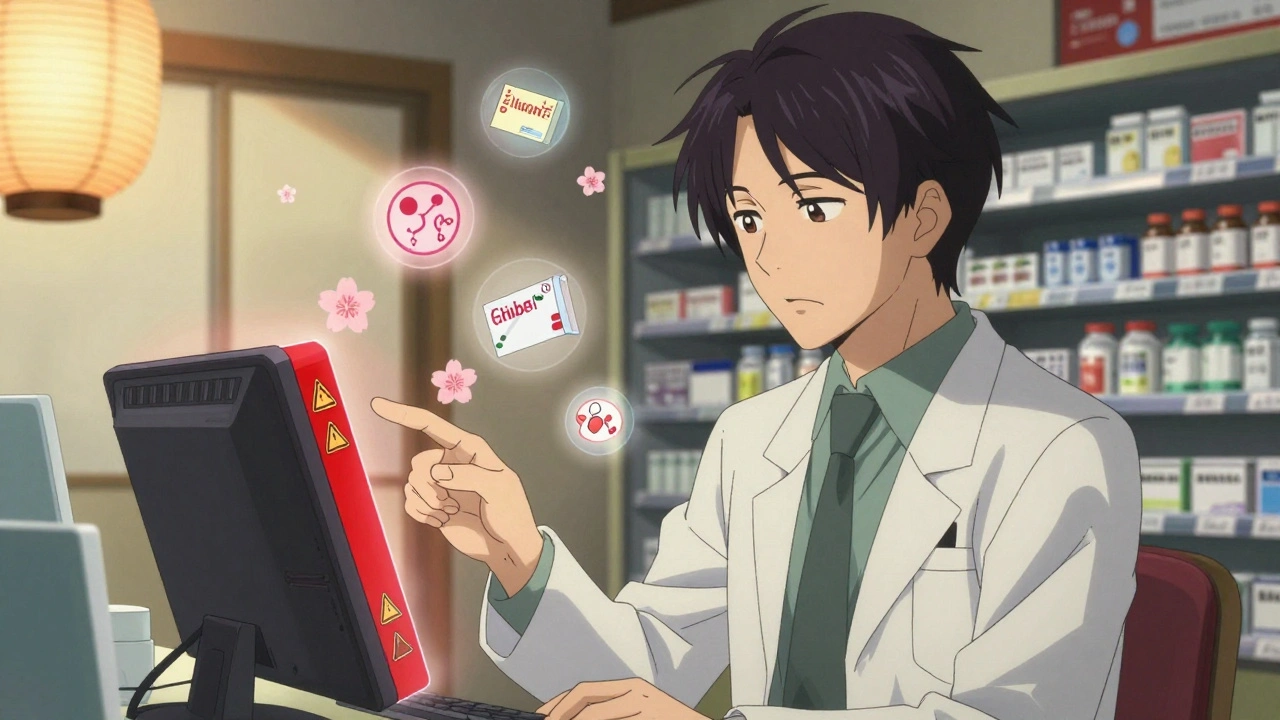
How Pharmacists Prevent Prescription Medication Errors Every Day
Pharmacists catch over 215,000 medication errors annually in the U.S. alone. Learn how they use training, technology, and clinical judgment to prevent harmful mistakes before they reach patients.
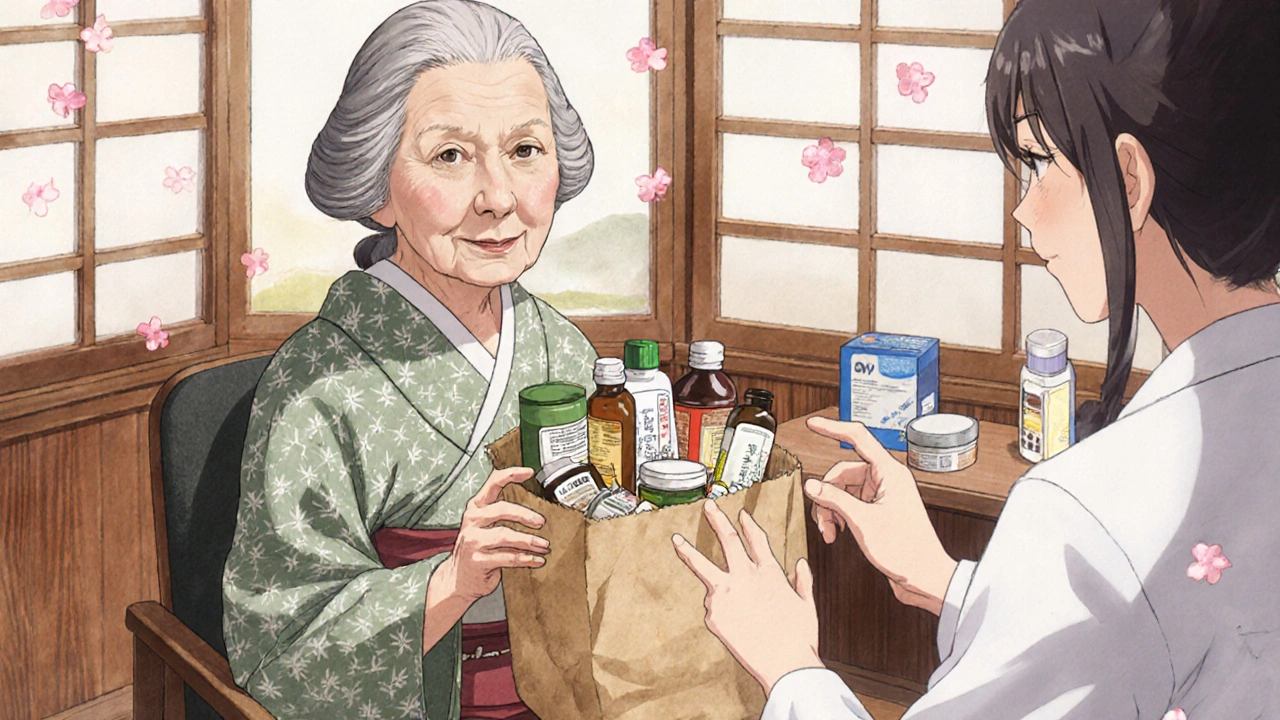
Brown Bag Medication Review Events: How to Prepare for a Safe and Accurate Medication Checkup
Learn how a brown bag medication review can prevent dangerous drug interactions, reduce unnecessary pills, and improve safety for anyone taking multiple medications. A simple, proven practice that saves lives.