Ibuprofen After Expiration: Is It Safe to Take?
When you find an old bottle of ibuprofen, a common over-the-counter pain reliever and anti-inflammatory drug used for headaches, muscle aches, and fever in your medicine cabinet, you might wonder: is it still good? The expiration date isn’t just a suggestion—it’s the last day the manufacturer guarantees full potency and safety. But that doesn’t mean it turns dangerous the next day. Most ibuprofen, a nonsteroidal anti-inflammatory drug (NSAID) that works by blocking pain-signaling chemicals stays stable for years past its label date if stored properly. The real question isn’t whether it’s toxic—it’s whether it still works.
Medications like ibuprofen, a widely used analgesic with a known chemical structure that degrades slowly under heat and moisture don’t suddenly become harmful after expiration. Instead, they gradually lose strength. Studies by the FDA and military labs show many pills, including ibuprofen, retain 90% or more of their potency even 10–15 years past expiration—if kept dry and cool. But if your bottle was sitting in a bathroom cabinet, near the shower or sink, humidity and heat could have broken it down faster. That’s why medication storage, the practice of keeping drugs away from light, moisture, and high temperatures to preserve effectiveness matters more than the date on the label. A pill that’s been exposed to steam or direct sunlight might not dissolve properly or could develop mold. And if it smells funny, looks discolored, or feels crumbly, toss it. No point in risking it.
There’s one big exception: if you’re treating something serious—like a flare-up of arthritis, a bad migraine, or inflammation after surgery—you don’t want to gamble with weakened medicine. A pill that’s lost 20% of its strength might not do the job. That’s why experts say: if you need reliable pain relief, use fresh medication. For minor aches, an expired ibuprofen tablet might still help—but don’t count on it. Always check the drug shelf life, the period during which a medication remains effective and safe under proper storage conditions and know the signs of degradation. And if you’re unsure, ask a pharmacist. They’ve seen it all—and they’ll tell you straight.
Below, you’ll find real posts that dig into how medications break down over time, what happens when you store them wrong, and why some pills last longer than others. Whether you’re trying to avoid waste, stretch your budget, or just make sure your medicine actually works, these articles give you the facts—not the fluff.
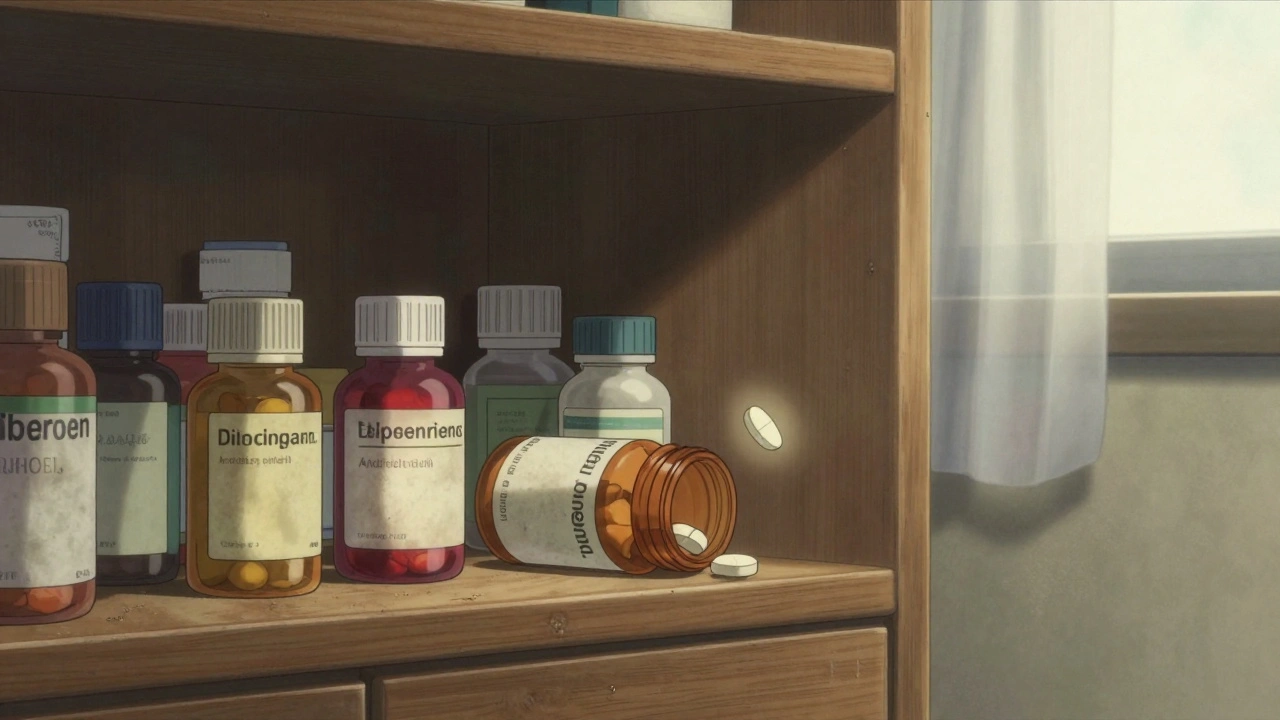
Over-the-Counter Medications Past Expiration: What Really Happens When You Take Them
Expired OTC meds aren't always dangerous, but they're not always effective either. Learn which ones are safe to use after expiration and which ones could put your health at risk.