
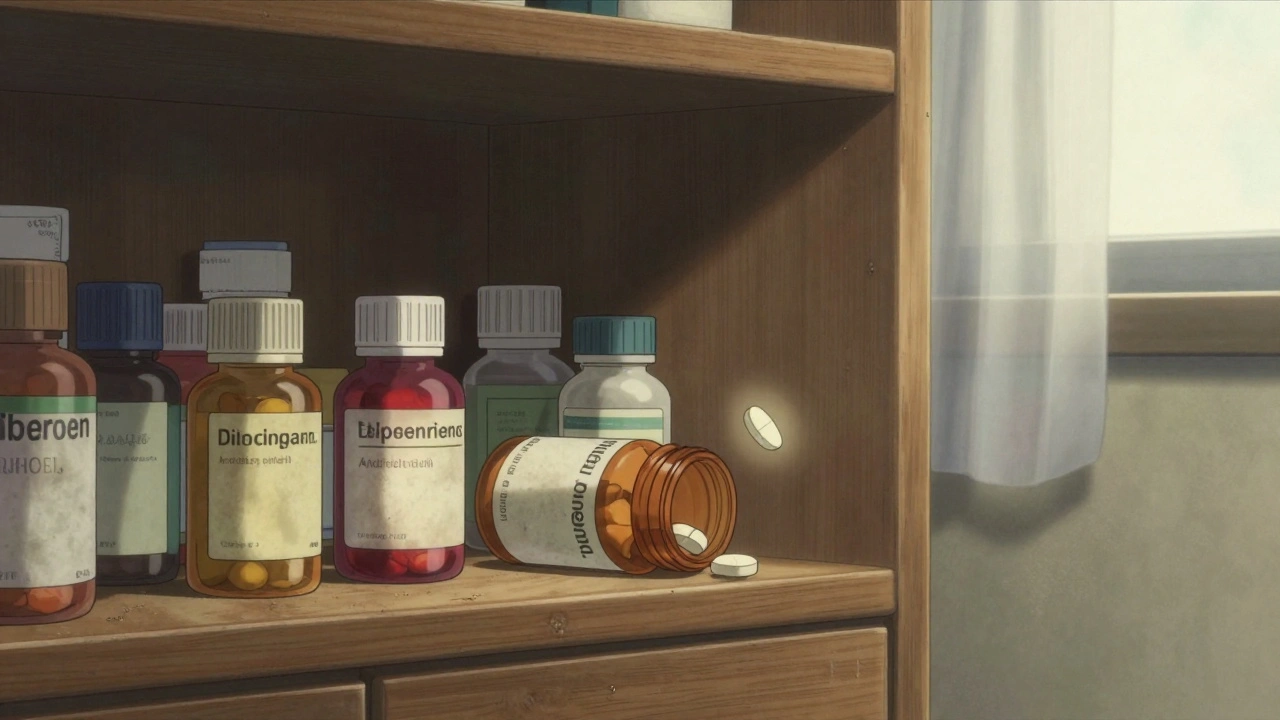
Most of us have a drawer or cabinet full of old pills, syrups, and creams with dates stamped on them that have long passed. You find an old bottle of ibuprofen from last winter’s cold, a box of antihistamines from last allergy season, or a tube of hydrocortisone cream that’s been sitting there since 2022. You look at the expiration date, pause, and wonder: is it still safe to take?
The answer isn’t simple. It’s not a simple yes or no. It depends on what kind of medicine it is, how it’s been stored, and why you need it. Some expired pills are probably fine. Others could be dangerous. And most? They’ve just lost some of their punch.
What Does an Expiration Date Actually Mean?
The expiration date on your medicine isn’t a "use-by" date like milk. It’s not when the drug turns toxic or becomes a health hazard overnight. It’s the last day the manufacturer guarantees it will work exactly as labeled - full strength, safe, and stable. The U.S. Food and Drug Administration (FDA) has required these dates since 1979 to protect people from ineffective or unstable products.
Manufacturers test their drugs under controlled conditions - heat, humidity, light - to see how long they hold up. Most OTC pills like ibuprofen or acetaminophen are tested for 1 to 5 years. That doesn’t mean they suddenly stop working after that date. In fact, studies show many solid medications, especially those kept in their original sealed bottles and stored in a cool, dry place, still retain 90% or more of their potency for 1 to 2 years past expiration.
Harvard Medical School tested over 100 common OTC drugs and found that 88% of tablets and capsules stored properly still had at least 90% of their labeled strength two years after expiration. That’s not magic. It’s chemistry. Solid forms like pills and capsules are stable. They don’t degrade quickly if they’re not exposed to moisture or heat.
Which Medications Are Risky After Expiration?
Not all medicines age the same way. Some are fine. Others? Don’t risk it.
Eye drops are one of the biggest red flags. They’re sterile liquids meant to go into your eyes. Once they expire, bacteria can grow inside. Studies show 72% of expired eye drops develop microbial contamination within three months. Using them can lead to serious eye infections - something you don’t want to gamble with.
Liquid medications - like cough syrups, suspensions, or antibiotics in liquid form - are also risky. They break down faster than pills. In one study, 43% of expired liquid antibiotics showed signs of bacterial growth within six months. That’s not just weak medicine - it’s potentially harmful.
Nitroglycerin, used for chest pain, loses potency quickly. If you’re relying on it during a heart attack and it’s expired, you could be putting your life at risk. The same goes for epinephrine auto-injectors (EpiPens). If they don’t deliver the full dose during an allergic reaction, the consequences can be fatal.
Antibiotics are another major concern. While most expired antibiotics won’t make you sick directly, they can become less effective. That means your infection might not clear up. And when bacteria aren’t fully killed off, they can adapt. That’s how antibiotic resistance starts. Back in the 1960s and 70s, expired tetracycline was linked to a rare but serious kidney condition called Fanconi syndrome. That’s why the FDA still warns against using expired antibiotics.
What About Common Pain Relievers and Allergy Meds?
Here’s where things get more relaxed. For most people, taking an expired bottle of ibuprofen or acetaminophen (Tylenol) isn’t dangerous - it’s just less effective. University Hospitals tested these common pain relievers and found they still maintained 85-90% of their potency up to two years after expiration, assuming they were stored properly.
Same goes for loratadine (Claritin) and cetirizine (Zyrtec). Pharmacy575’s lab tests showed these antihistamines held up well for 3 to 5 years past their printed dates. If you’re using them for seasonal allergies and your nose is still running a little, it’s probably not because the medicine is bad - it’s because your allergies are worse than usual.
Reddit users reported 63% noticed reduced pain relief from ibuprofen after one year past expiration. But 89% of users on Drugs.com who took expired antihistamines said they still got "adequate but reduced" relief - enough to get through the day, just not as strong as fresh.
So if you’re out of painkillers and find an old bottle of Tylenol that expired last month? It’s probably okay. If you’re dealing with a migraine and only have expired Advil? Go ahead and take it - but don’t be surprised if it doesn’t knock you out like it used to.

How to Tell If Your Medicine Has Gone Bad
Expiration dates aren’t the only clue. Look, smell, and feel your medicine before you take it.
- Tablets or capsules: If they’re crumbly, discolored, or have a strange odor, toss them. Pills that stick together or have a chalky texture are breaking down.
- Liquids: If it’s cloudy, separated, or smells off (like vinegar or rot), don’t use it. Even if it’s within the date, bad storage can ruin it.
- Creams and ointments: If they’ve changed color, separated, or smell rancid, they’re no longer safe.
- Suppositories: If they’ve melted and re-solidified oddly, or feel greasy or sticky, they’re compromised.
Pharmacists agree: if something looks, smells, or feels wrong - throw it out. It’s not worth the risk.
Storage Matters More Than You Think
Your medicine’s lifespan isn’t just about the date on the bottle. It’s about where you keep it.
Storing pills in a bathroom cabinet? Bad idea. Humidity from showers and steam speeds up degradation. Heat makes it worse. The FDA says medications stored above 30°C (86°F) lose potency three times faster than those kept below 25°C (77°F).
Keep your meds in a cool, dry place - like a bedroom drawer or a kitchen cabinet away from the stove. Original packaging matters too. Pills in their sealed blister packs or bottles last 40% longer than those transferred to pill organizers or plastic bags. The original container protects against light, air, and moisture.
When Is It Okay to Use Expired Medicine?
There’s no universal rule, but here’s a practical guide:
- Okay to consider (if no other option): Ibuprofen, acetaminophen, antihistamines, antacids, or topical creams that are only a few months past expiration, stored properly, and show no signs of damage.
- Never risk it: Eye drops, insulin, epinephrine, nitroglycerin, liquid antibiotics, or any prescription medication for chronic conditions like heart disease, seizures, or thyroid issues.
- Use with caution: If you’re using an expired OTC drug for a minor issue - like a headache or runny nose - and you’re otherwise healthy, it’s low risk. But if you’re elderly, pregnant, immunocompromised, or treating a serious infection, don’t gamble.
University Hospitals gives a clear rule of thumb: "For minor aches and pains or allergies, it’s fine to use an OTC medicine that expired a couple months ago until you can replace it. For daily aspirin for heart health? Replace it immediately."
What Happens If You Take Expired Medicine?
Most of the time, nothing bad happens. You just don’t get the full effect. You take your expired allergy pill and still sneeze. You take your expired painkiller and still feel some relief - but not enough to sleep.
But the real danger isn’t toxicity. It’s underdosing. If you take an expired antibiotic and it doesn’t kill all the bacteria, you’re not just wasting time - you’re helping create superbugs. If you take expired nitroglycerin during a heart attack and it doesn’t work, you could die.
And yes, there are rare cases where degraded chemicals cause harm. Tetracycline is the classic example. But those are extreme, historical cases. Today’s medications are better formulated. Still, the risk isn’t zero.
How to Dispose of Expired Medicine Safely
Don’t flush pills down the toilet unless the label says to. Don’t throw them in the trash unopened - someone could find them.
Best practice:
- Take unused or expired pills to a pharmacy drop-off program. Many pharmacies offer free disposal.
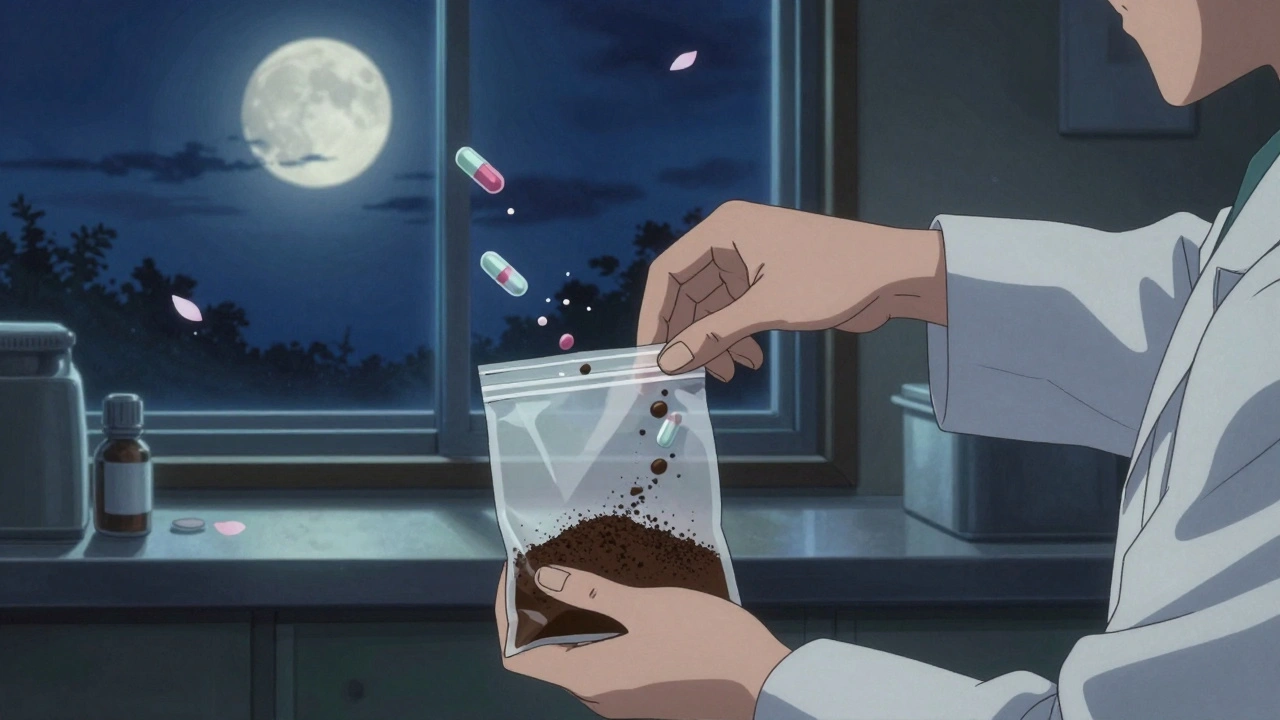
- If that’s not available, mix pills with coffee grounds or cat litter in a sealed bag before tossing in the trash. This makes them unappealing and hard to retrieve.
- For opioids or other controlled substances, flushing may be recommended by the FDA to prevent accidental ingestion by children or pets.
- Remove personal info from bottles before recycling.
According to Brevard Health Alliance, 87% of pharmacists recommend the coffee grounds method for solid medications. It’s simple, effective, and safe.
The Bigger Picture: Why We Keep Expired Medicine
Sixty-eight percent of U.S. households have expired medications in their cabinets. Why? Convenience. Cost. Fear of running out. We stockpile. We forget. We think, "It’s just a pill - it can’t hurt."
But this habit costs money and health. The NIH estimates $765 million is spent every year replacing medicines that are still good - because people toss them at the first sign of an expired date. At the same time, $1.2 billion is spent treating infections and complications from using expired drugs that didn’t work.
The FDA’s stance is clear: "Once the expiration date has passed, there is no guarantee the medicine will be safe and effective." They say this because they can’t predict how every bottle has been stored. They have to protect everyone - even the ones who keep their meds in a hot car.
But science says something else: most pills are fine. For most people, most of the time.
So what’s the real answer?
Use your head. Know your medicine. Check the condition. Know your risk. And when in doubt - replace it.
The future might change this. Companies are investing billions in "smart packaging" - bottles with sensors that tell you if the medicine inside is still good. Until then, it’s up to you to decide: is this pill worth the risk?
Is it dangerous to take expired ibuprofen or Tylenol?
It’s rarely dangerous, but it might not work as well. Studies show ibuprofen and acetaminophen typically retain 85-90% of their potency up to two years past expiration if stored properly in a cool, dry place. If the pills look normal - no crumbling, discoloration, or strange smell - they’re probably fine for occasional use for minor pain. But don’t rely on them for serious conditions or if you’re treating a child, elderly person, or someone with a chronic illness.
Can expired allergy medicine still work?
Yes, often. Antihistamines like loratadine (Claritin) and cetirizine (Zyrtec) are chemically stable and have been shown to maintain effectiveness for 3-5 years past their expiration date when stored correctly. Many users report reduced but still adequate relief even a year or two after expiration. However, if your symptoms aren’t improving, it’s better to get a new bottle - especially during allergy season.
What happens if I take expired antibiotics?
You risk the infection not going away. Expired antibiotics may lose potency, meaning they don’t kill all the bacteria. That can lead to longer illness, more severe symptoms, and even antibiotic resistance - where bacteria evolve to survive the drug. In rare cases, degraded tetracycline has caused kidney damage. Never use expired antibiotics, even if they look fine.
Why do eye drops expire so soon?
Eye drops are sterile liquids meant for direct contact with your eye. Once opened, they’re exposed to air and bacteria. After expiration, microbial growth can occur - studies show 72% of expired eye drops are contaminated within three months. Using them can cause serious eye infections, including corneal ulcers. Never use eye drops past their expiration date, even if they look clear.
How should I store OTC medications to make them last longer?
Keep them in a cool, dry place away from heat and humidity. A bedroom drawer is better than a bathroom cabinet. Store them in their original containers with the cap tightly closed. Avoid leaving them in hot cars or near stoves. Original packaging protects against light and moisture - which are the two biggest enemies of medication stability.
Should I throw away all expired medicine?
Not necessarily - but be smart. For minor, non-critical meds like pain relievers or antihistamines that are only a few months past expiration and stored well, it’s low risk to use them temporarily. But for anything life-critical - like heart medication, epinephrine, insulin, or antibiotics - replace them immediately. When in doubt, throw it out. Your health isn’t worth gambling over a $5 bottle of pills.

Rebecca Dong
December 10, 2025 AT 10:44Okay but what if the FDA is just lying to sell more pills? I mean, my grandma took expired penicillin in '83 and lived to 98. They don't want you to know that drug companies make billions off fear. That expiration date? Probably printed by a robot who hates nature. I've been taking 7-year-old Advil since the Obama era and my back feels like a Greek god. #BigPharmaLies
Stephanie Maillet
December 12, 2025 AT 07:30It’s fascinating, isn’t it?-how we’ve come to treat medicine like milk, with its rigid, arbitrary expiration dates, when chemistry doesn’t operate on human calendar logic. The body doesn’t care about a printed date; it responds to molecular integrity. And yet, we’ve outsourced our judgment to corporations and regulators who, in their infinite wisdom, decided that a pill’s worth is measured not by its substance, but by its label. I wonder… if we trusted ourselves more, would we be healthier-or just more reckless?
Raj Rsvpraj
December 13, 2025 AT 01:18What a joke. Americans think they know medicine because they read a blog. In India, we’ve been using expired antibiotics for decades-because we don’t have the luxury of throwing away pills like they’re expired yogurt. Our grandparents took tetracycline from 1972 and lived through cholera outbreaks. You people panic over a date on a bottle while we fight real diseases with real resourcefulness. This is why the West is weak-over-medicated and under-resilient.
Frank Nouwens
December 13, 2025 AT 15:00Thank you for this thoughtful and well-researched breakdown. I appreciate how you distinguished between solid dosage forms and liquids-this is the kind of nuance that’s often lost in online discourse. I’ve kept my ibuprofen in a sealed bottle in a dark drawer for 18 months past expiration, and it’s worked fine for mild headaches. But I’d never risk an EpiPen or insulin. Knowledge is power, and you’ve provided a lot of it.
Aileen Ferris
December 14, 2025 AT 03:20so like… i took some 3 year old zyrtec last week and it kinda worked? like, i still sneezed but like… less? idk man maybe the date is just a suggestion?? also my bathroom cabinet is basically a science lab at this point lol
Michelle Edwards
December 16, 2025 AT 01:46This was so helpful-I’ve been terrified of expired meds but now I feel way more confident about what’s safe. I’m keeping my painkillers and antihistamines if they look and smell normal, but I’m tossing anything liquid or life-saving. Thank you for giving me permission to stop hoarding pills out of guilt. You’re right: use your head, not just the date.
Neelam Kumari
December 17, 2025 AT 17:22Of course you people are still taking expired ibuprofen. That’s why half of you are on disability. You don’t care about efficacy-you care about convenience. And now you’re gonna blame the drug company when your headache turns into a stroke because your '85% potent' pill didn’t cut it. Pathetic. Just buy a new bottle. It’s $3. You’re not poor. You’re lazy.
Queenie Chan
December 18, 2025 AT 09:29I’ve always thought of medicine as little chemical time capsules-sealed, silent, waiting. Some dissolve gracefully into oblivion, others cling to their potency like a stubborn memory. The real tragedy isn’t the expired pill-it’s that we’ve forgotten how to listen to our bodies. We’ve replaced intuition with barcodes. I once took a 10-year-old bottle of aspirin during a thunderstorm, and the headache vanished like it never existed. Was it chemistry? Coincidence? Or did the storm and the pill conspire to give me peace? I’ll never know. But I didn’t die. And that’s something.
Michaux Hyatt
December 18, 2025 AT 14:17Great summary. I’d just add one thing: if you're ever unsure, ask a pharmacist. They’re trained to evaluate meds by sight, smell, and storage history-not just dates. I’ve seen people bring in bottles from 2010 that were perfectly fine because they were kept in a cool, dark drawer. And I’ve seen others toss perfectly good pills because they were stored in a steamy bathroom. The real villain isn’t time-it’s humidity. Keep your meds dry, and you’ll be fine.