Expired OTC Meds: What Happens When Your Medicine Goes Bad
When you find an old bottle of painkillers or allergy pills in the back of your medicine cabinet, you might wonder: expired OTC meds, over-the-counter medications that have passed their labeled expiration date. Also known as out-of-date pills, these aren’t necessarily poison—but they’re not guaranteed to work either. The expiration date isn’t just a marketing tactic. It’s the last day the manufacturer guarantees the drug will be fully potent and safe under proper storage conditions. After that, chemical breakdown begins. Some pills lose strength slowly. Others, like liquid antibiotics or epinephrine auto-injectors, can degrade fast and become dangerous.
Medication storage, how you keep your drugs at home. Also known as pill storage habits, it plays a huge role in how long your meds last. Heat, moisture, and light speed up degradation. Storing aspirin in a bathroom cabinet? That’s a recipe for early expiration. Keeping insulin in a hot car? It’s ruined. Even if the date hasn’t passed, poor storage can make your medicine useless. And if you’ve got expired pills, medications past their labeled shelf life. Also known as out-of-date drugs, they’re often found in homes with cluttered medicine drawers., you’re risking ineffective treatment. Taking expired ibuprofen might mean your headache doesn’t go away. Taking expired nitroglycerin could be life-threatening during a heart event.
The FDA says most expired OTC meds aren’t toxic—but that doesn’t mean they’re safe to use. Some drugs, like tetracycline antibiotics, can actually become harmful after expiration. Others, like insulin or liquid suspensions, can grow bacteria. And if you’re treating a serious condition like asthma, high blood pressure, or diabetes, even a small drop in potency can cause real harm. The real danger isn’t always the pill itself—it’s the false sense of security it gives you.
What should you do? First, check the label. If it says "discard after opening" and you opened it six months ago, toss it. Second, look at the pill. If it’s cracked, discolored, smells weird, or has changed texture, don’t take it. Third, don’t flush most meds down the toilet—use a drug take-back program or mix them with coffee grounds or cat litter before trashing them. And finally, clean out your medicine cabinet every six months. Keep only what you’re actively using, store it in a cool, dry place, and write the opening date on the bottle.
Below, you’ll find real stories and science-backed advice on what happens to expired OTC meds, how to spot dangerous degradation, and how to store your medicines so they last as long as they should. No fluff. No guesses. Just what you need to know to stay safe.
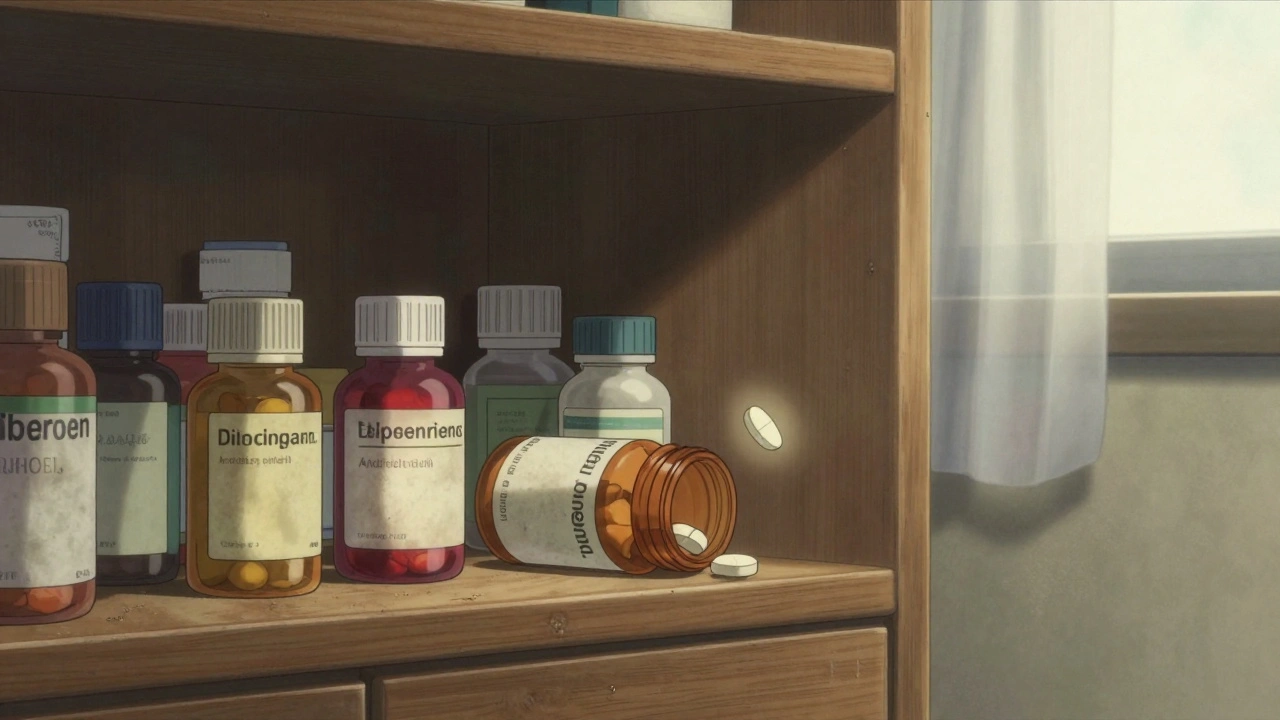
Over-the-Counter Medications Past Expiration: What Really Happens When You Take Them
Expired OTC meds aren't always dangerous, but they're not always effective either. Learn which ones are safe to use after expiration and which ones could put your health at risk.