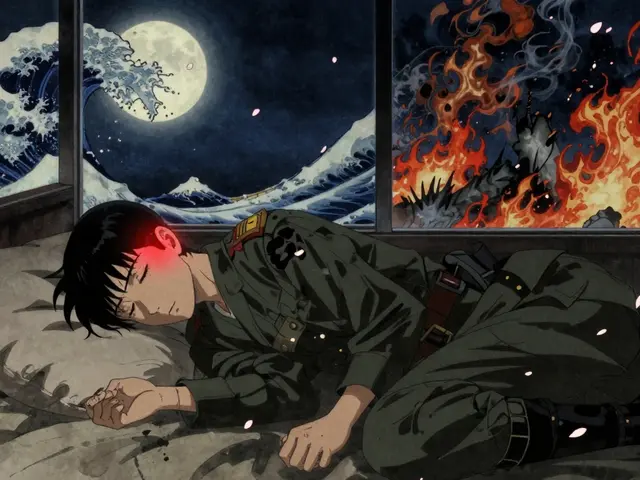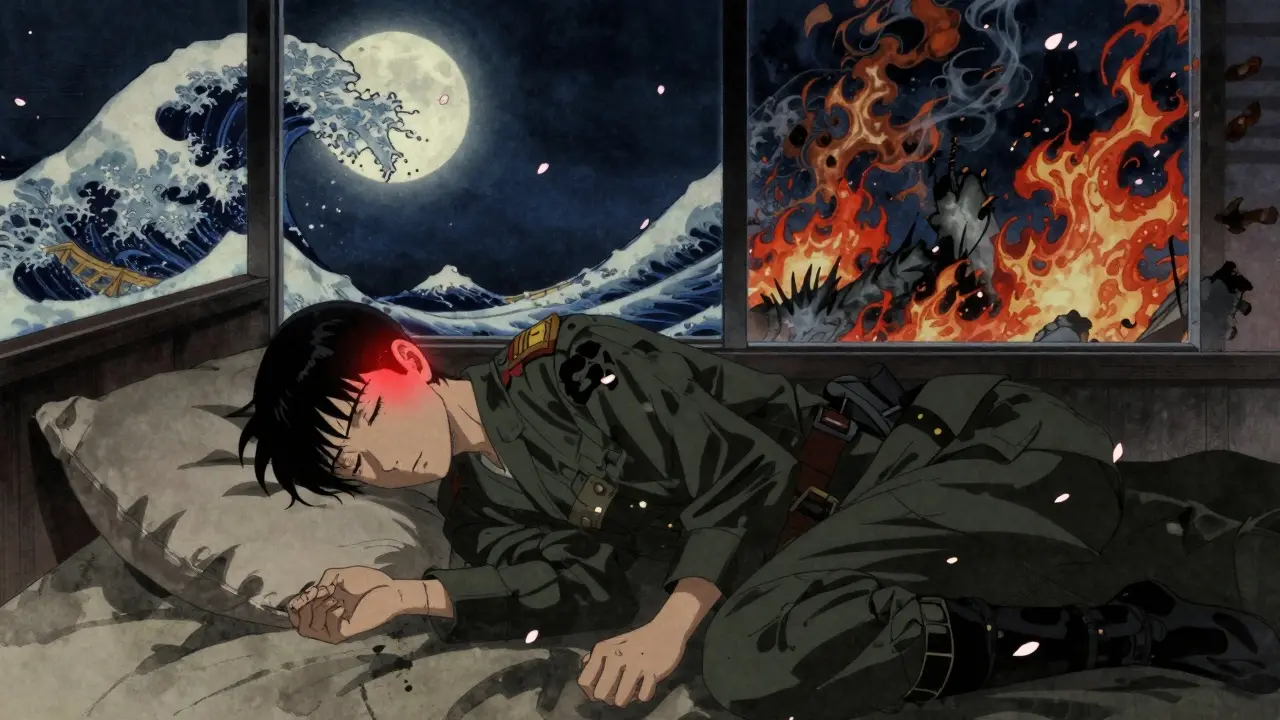
For many people living with PTSD, the worst part isn’t the memories-it’s what happens when they close their eyes. Nightmares don’t just disrupt sleep; they keep trauma alive. Every night, the same scenes replay: the crash, the shout, the silence after the explosion. These aren’t bad dreams. They’re flashbacks with full sensory force. And they’re incredibly common. Around 71-90% of military veterans with PTSD and more than half of civilian survivors report nightmares that happen several times a week. Sleep becomes a battleground, not a refuge.
Why Prazosin Became a Go-To for Nightmares
Prazosin wasn’t designed for PTSD. It was created in 1976 by Pfizer as a blood pressure drug. But in 2003, Dr. Murray Raskind at the VA noticed something strange: veterans on prazosin for hypertension were sleeping better. Their nightmares faded. That accidental discovery changed the landscape of PTSD treatment. Today, prazosin is used off-label for PTSD nightmares in clinics across the U.S. and Australia. It works by blocking alpha-1 receptors in the brain-receptors that get overactive during REM sleep in people with PTSD. This overactivity fuels the intense fear responses that turn dreams into horrors. Prazosin calms that storm. Dosing is careful. Most people start at 1 mg at bedtime. Doctors increase by 1 mg weekly until they hit 3-15 mg, depending on response. Some need up to 25 mg. The goal isn’t to knock you out-it’s to quiet the brain’s fear signals during sleep. Side effects? Dizziness, low blood pressure, nasal congestion. About 44% of users report them, according to Reddit’s PTSD community. And stopping suddenly? That can trigger rebound nightmares in nearly 30% of cases. But here’s the catch: prazosin doesn’t fix PTSD. It only dulls the nightmares. A 2022 meta-analysis found it reduced nightmares moderately (effect size g=0.47), but had almost no impact on overall PTSD symptoms (g=0.11). That’s why many experts call it a band-aid-not a cure.What Sleep Therapies Actually Do
If prazosin calms the brain’s alarm system, sleep therapies rewire it. Two treatments stand out: Cognitive Behavioral Therapy for Insomnia (CBT-I) and Imagery Rehearsal Therapy (IRT). CBT-I isn’t about sleeping pills or relaxation tapes. It’s a structured 6-8 week program with proven science behind it. Each session lasts about an hour. You learn to:- Get out of bed if you’re awake for more than 20 minutes
- Limit time in bed to match how much you actually sleep
- Challenge thoughts like “I’ll never sleep again”
- Build habits that signal your brain: bed = sleep, not stress
Combining Therapies Works Best
The most effective approach? Layering treatments. The VA’s CBT-I-PE protocol combines sleep therapy with Prolonged Exposure (PE), a trauma-focused therapy. Results? Insomnia severity dropped by 12.4 points (compared to 4.2 with just PE). Total sleep time jumped by 78 minutes. Sleep efficiency rose by 15.3%. That’s not improvement-it’s transformation. Why does this work? Trauma keeps your brain stuck in fight-or-flight mode. Sleep disturbances make it worse. When you fix sleep, you give your brain the rest it needs to process trauma. Dr. Anne Germain from the University of Pittsburgh found that after CBT-I, the amygdala-the brain’s fear center-calms down. Neural imaging shows real, measurable changes. Prazosin helps you get through the night. CBT-I and IRT help you wake up differently. One treats the symptom. The other treats the root.
Real People, Real Results
The numbers tell part of the story. The rest comes from lived experience. On Reddit’s r/PTSD, 62% of 147 users said prazosin reduced nightmares. 38% said they stopped having them entirely. But 44% also reported dizziness or fainting. One user wrote: “I slept for the first time in years. Then I got dizzy walking to the bathroom. Was it worth it? Yes. But I had to be careful.” CBT-I users had higher satisfaction. In VA surveys, 71% reported improved sleep quality. At six months, 63% still felt better. The hardest part? The first two weeks. Sleep restriction means you’re only allowed in bed 5 hours a night-even if you’re exhausted. Many quit then. But those who stuck with it? They called it life-changing. IRT users were even more enthusiastic. A 2020 National Center for PTSD survey found 85% felt less distress after rewriting nightmares. One veteran said: “I used to wake up shaking. Now I wake up and think, ‘That was just a story I made up.’”Why Prazosin Is Still Used (Even With Mixed Evidence)
The FDA never approved prazosin for PTSD nightmares. In 2021, they rejected its application because trials showed inconsistent results. The 2018 DoD trial (NCT01118864) found no benefit over placebo. Critics say the doses were too low, or patients weren’t selected properly. Dr. Raskind, who started it all, argues the negative trials failed because they didn’t match real-world use. He says: “You can’t test prazosin on someone who doesn’t have nightmares. You have to start low, go slow, and treat for months.” And here’s the practical truth: therapy isn’t always available. In VA clinics, only 32% of veterans get evidence-based psychotherapy. But 78% get medication. Prazosin is cheap, easy to prescribe, and doesn’t require weeks of appointments. For someone in rural Australia or a veteran with no transport, it’s the only option.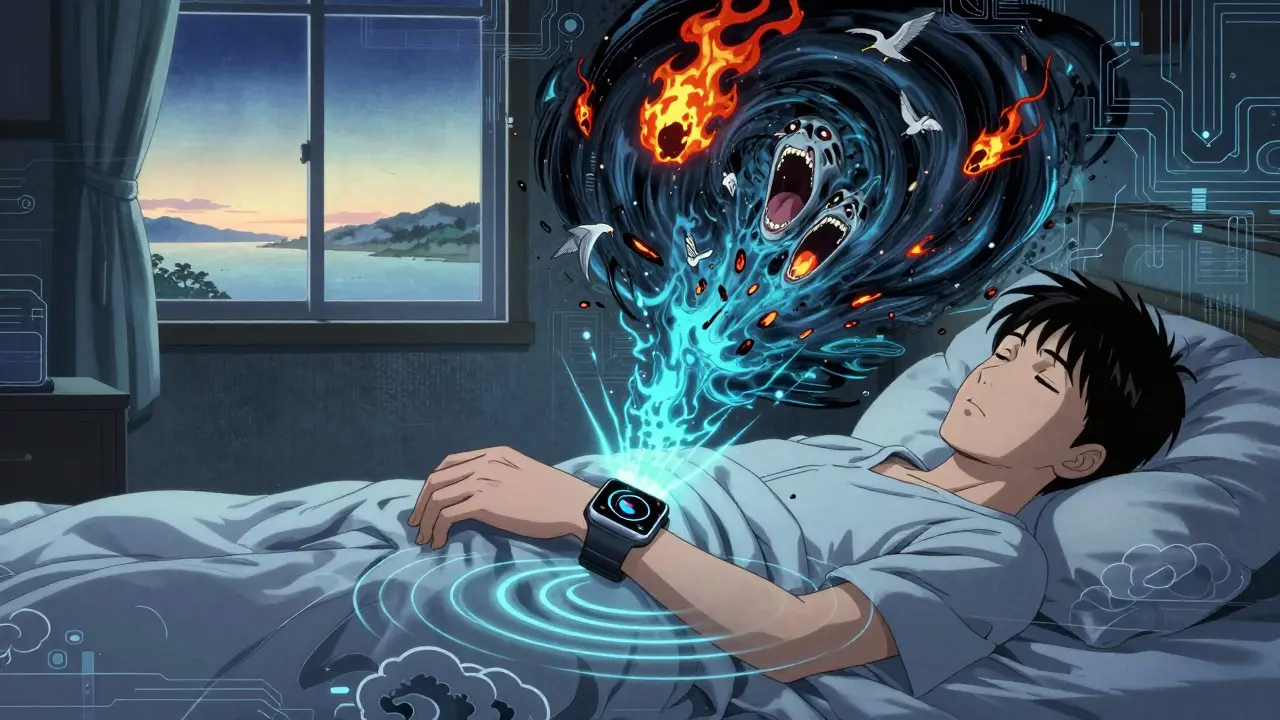
What’s New in 2025
The field is evolving. In 2023, the PRAZ-PTSD III trial showed prazosin at 6 mg reduced nightmare distress by 32%-better than placebo. That reignited hope. But the biggest shift is digital. The FDA approved NightWare in 2020-a wearable app that uses Apple Watch to detect nightmare patterns (increased heart rate, movement) and sends subtle vibrations to interrupt REM sleep without waking you. In a 2022 study, it cut nightmares by 58%. No pills. No therapy. Just tech. The VA’s “Sleep SMART” initiative now offers CBT-I in 143 facilities. Completion rates hit 74%-higher than community clinics. And in 2024, the DoD allocated $28 million to study combining CBT-I with virtual reality exposure. Imagine rewiring nightmares while standing in a virtual battlefield, guided by a therapist.What You Can Do Today
If you’re struggling with PTSD nightmares:- Track your nightmares for two weeks. Write down frequency, content, and how you feel after.
- Ask your doctor about prazosin-but only if you’re okay with side effects and understand it’s not a cure.
- Look for a CBT-I specialist. The Society of Behavioral Sleep Medicine certifies clinicians. Ask if they’ve treated PTSD patients.
- Try IRT on your own. Rewrite one nightmare this week. Make it safe. Make it calm. Rehearse it daily.
- Use free tools like the CBT-I Coach app (VA-developed) to track sleep and stay on track.
Does prazosin cure PTSD nightmares?
No. Prazosin reduces nightmare frequency and intensity by calming overactive fear signals during sleep, but it doesn’t address the underlying trauma. It’s a symptom management tool, not a cure. For lasting change, trauma-focused therapy combined with sleep interventions is needed.
Can I take prazosin with other PTSD medications?
Yes, but only under medical supervision. Prazosin is often used alongside SSRIs like sertraline or paroxetine. However, combining it with other blood pressure medications or sedatives can increase dizziness or low blood pressure risks. Always tell your doctor about all medications and supplements you’re taking.
How long does it take for CBT-I to work for PTSD nightmares?
Most people see improvement in sleep within 2-4 weeks, but full benefits from CBT-I usually take 6-8 weeks. Nightmare frequency often drops after 4 weeks, especially when paired with Imagery Rehearsal Therapy. The key is consistency-missing sessions or skipping sleep diary tracking reduces effectiveness.
Is IRT effective for everyone with PTSD nightmares?
IRT works best for people who remember their nightmares clearly and can visualize details. It’s less effective for those with fragmented memories, dissociation, or severe cognitive impairment. About 10-15% of users don’t respond. But for those who do, results are often dramatic and long-lasting.
Why isn’t prazosin FDA-approved for PTSD nightmares?
The FDA rejected approval in 2021 because clinical trials showed inconsistent results. Some studies found strong benefits; others found no difference from placebo. Experts argue this is due to poor trial design-low doses, short duration, or including patients without prominent nightmares. Until larger, better-designed trials confirm consistent efficacy, it remains off-label.
Can I do CBT-I or IRT on my own?
You can start IRT alone using guided scripts or apps. CBT-I is harder to do solo because it requires precise sleep scheduling and cognitive restructuring. The VA’s CBT-I Coach app is a good tool, but working with a certified therapist improves outcomes significantly. For PTSD, professional guidance is strongly recommended.
What’s the difference between CBT-I and regular sleep hygiene?
Sleep hygiene is basic advice: avoid caffeine, keep a routine, make your room dark. CBT-I is clinical therapy with proven techniques: sleep restriction, stimulus control, cognitive restructuring. It’s not about habits-it’s about retraining your brain’s association with bed. Studies show CBT-I is 3-4 times more effective than sleep hygiene alone for PTSD-related insomnia.
Are there alternatives to prazosin for PTSD nightmares?
Yes. Other medications like clonidine or gabapentin are sometimes used off-label, but evidence is weaker. The strongest alternatives are behavioral: CBT-I, IRT, and NightWare (FDA-approved digital therapy). For many, combining behavioral therapies eliminates the need for medication entirely.