
Drug Scarcity: Why Medications Run Out and What You Can Do
When you need a medicine to manage your blood pressure, diabetes, or chronic pain, and it’s simply not there, that’s drug scarcity, the situation where essential medications are unavailable due to supply chain failures, manufacturing issues, or economic pressures. Also known as medication shortages, it’s not a rare glitch—it’s a growing crisis affecting millions of people every year. This isn’t just about running out of pills at the pharmacy. It’s about people skipping doses, switching to less effective drugs, or going without treatment entirely because the system failed them.
Generic drugs, low-cost versions of brand-name medications that make up over 90% of prescriptions in the U.S. are often the first to disappear. Why? Because they’re made on thin profit margins. When raw materials get delayed, factories shut down for inspections, or a single overseas supplier faces a quality issue, the whole chain breaks. Drug supply chain, the global network of manufacturers, distributors, and regulators that moves medicine from factory to patient is fragile, over-reliant on a few countries, and under-monitored. One contaminated batch in China or India can ripple across the U.S. and Europe, leaving hospitals scrambling. And when that happens, patients with conditions like epilepsy, heart failure, or cancer pay the price.
It’s not just about production. Treatment delays, the time patients wait because their prescribed drug isn’t available can lead to hospitalizations, disease progression, and even death. Prior authorization hurdles, insurance restrictions, and pharmacy stockouts all pile on top of the core shortage problem. You might think switching to another brand or generic is easy—but for drugs with narrow therapeutic windows like warfarin or levothyroxine, even small changes can be dangerous. That’s why so many posts here focus on how to track recalls, verify lot numbers, and report side effects when things go wrong.
What you’ll find below isn’t theory. It’s real-world guidance from people who’ve lived through this. You’ll learn how to spot when a drug shortage is coming, how to talk to your pharmacist about alternatives, why some generics are safer to switch than others, and how environmental contamination in manufacturing plants can trigger a nationwide shortage. We’ll show you how to use MedWatch to report missing meds, how to read FDA alerts, and what steps you can take right now to protect yourself and your loved ones. This isn’t about waiting for someone else to fix it. It’s about knowing what’s broken—and how to act before it breaks you.
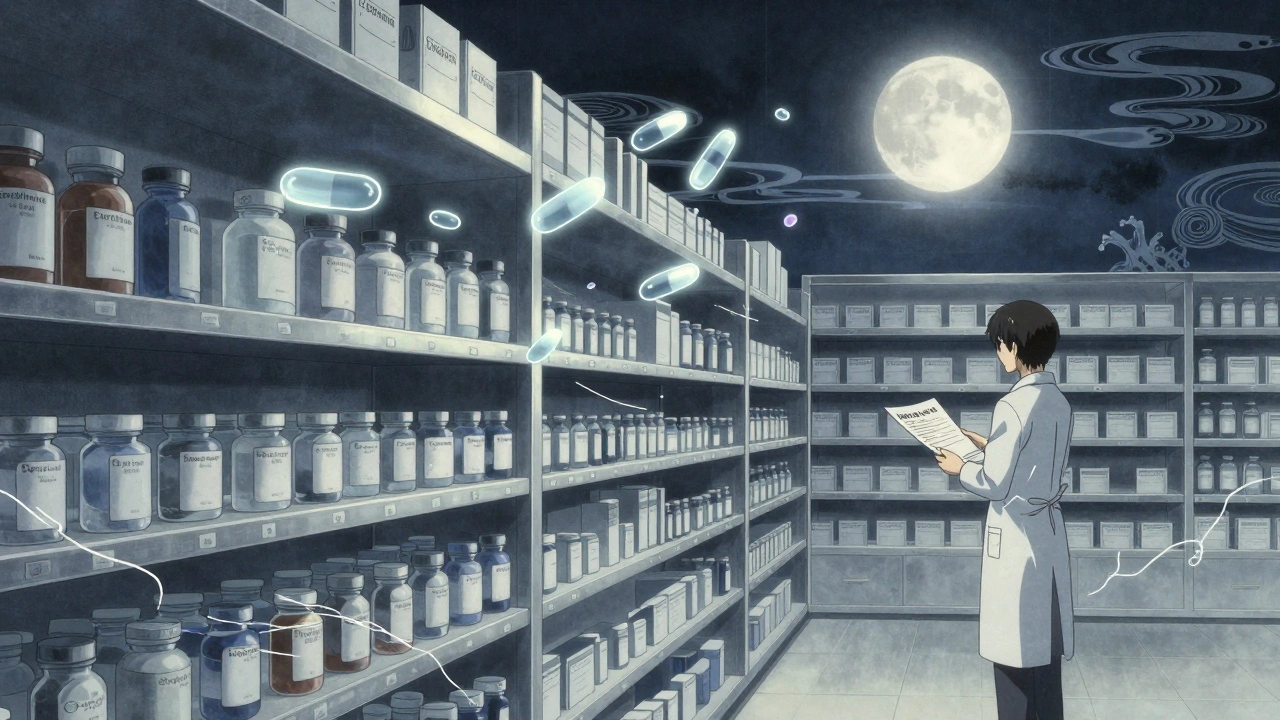
Why Generic Drugs Are Vanishing: The Hidden Crisis Behind Drug Shortages
Generic drugs make up 90% of prescriptions but only 20% of spending - and that’s why they’re vanishing. A broken pricing system, foreign supply chains, and weak oversight are causing life-threatening shortages.