
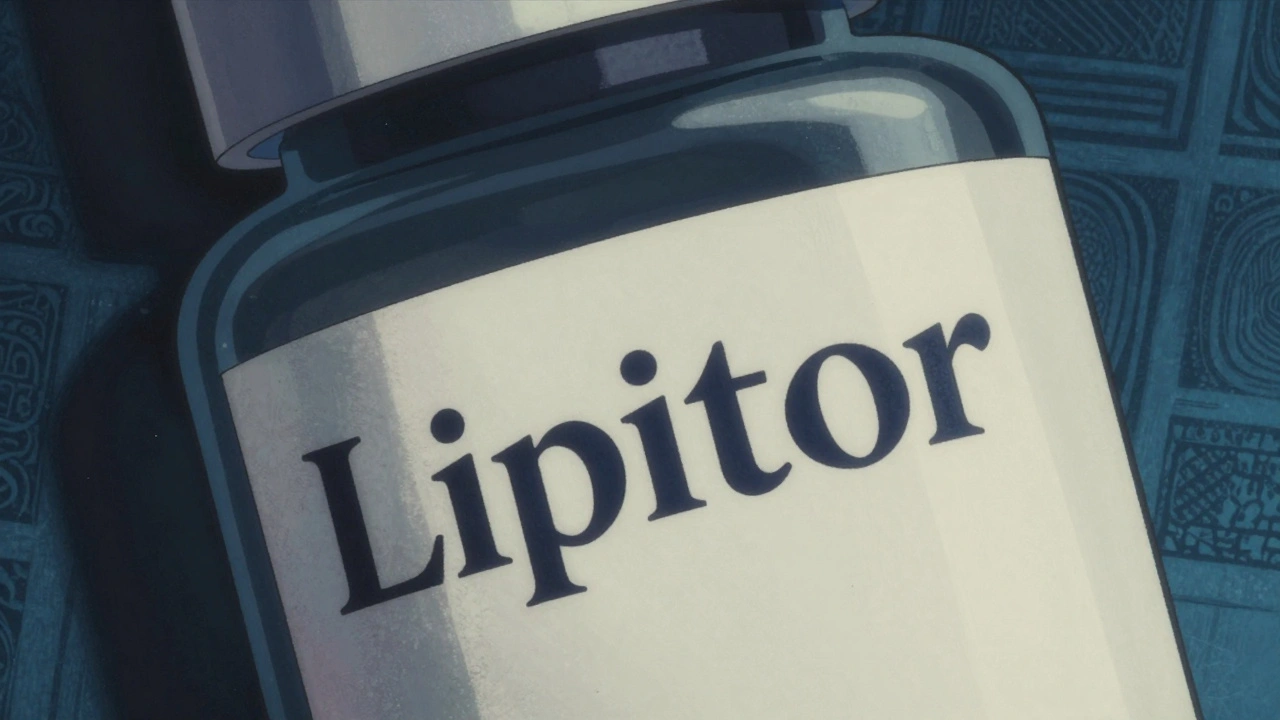
Every year, millions of people around the world take medication they think is real-only to find out later it was fake. The packaging looks right. The seal looks intact. The bottle even has the right logo. But inside? It could be chalk, drywall dust, or worse-something dangerous. Counterfeit medication isn’t just a problem in faraway countries. It’s in online pharmacies, street vendors, and even some unregulated mail-order services. And as technology gets better, so do the fakes.
What Makes a Packaging Fake?
Counterfeit medication packaging is designed to fool you. Not just by looking similar, but by matching the exact details you’d trust: batch numbers, expiration dates, holograms, QR codes, even the texture of the cardboard. The most dangerous part? Many of these fakes are nearly impossible to spot with the naked eye. The World Health Organization estimates that 1 in 10 medical products in lower-income regions are falsified. In some places, that number is higher. But even in places like Australia, the U.S., and Europe, counterfeit drugs are slipping through cracks-especially when bought online without a prescription. The goal of counterfeiters isn’t just profit. It’s deception. They copy the packaging of high-demand drugs like Ozempic, Adderall, Lipitor, and Muro 128 because people will pay anything for them. And since most people don’t know what to look for, they never question it.Visual Inspection: Your First Line of Defense
Before you open a bottle or take a pill, stop and look closely. Don’t rush. Spend 30 seconds. Here’s what to check:- Color differences: Genuine packaging uses specific Pantone colors. A fake might use a slightly darker blue, a lighter red, or a shade that’s been discontinued. For example, counterfeit Lipitor packaging in 2019 used a blue that was no longer used by the manufacturer after 2002.
- Spelling and grammar: Typos are rare in real pharmaceutical packaging. If you see "Lipitor" misspelled as "Lipitor" or "Take once daily" written as "Take onece daily," walk away.
- Font weight and alignment: Real packaging uses consistent font thickness. Fake packaging often has uneven letter spacing or misaligned text. One pharmacist reported counterfeit Adderall with imprint depth of 0.12mm-genuine is 0.15mm.
- Seal integrity: Check the blister pack or bottle cap. Is the seal broken? Is it resealed? Genuine seals are applied under controlled conditions. Fake ones often have air bubbles, wrinkles, or uneven adhesive.
- Batch and lot numbers: Compare the font style and position to images on the manufacturer’s website. Real batch numbers follow strict formatting. Fakes often have numbers that are too close together, too far apart, or in the wrong font.
Consumer Reports tracked 147 verified counterfeit cases between 2020 and 2023. In 82% of them, the packaging had visible flaws-once you knew what to look for.
Microscopic Details You Can’t See With Your Eyes
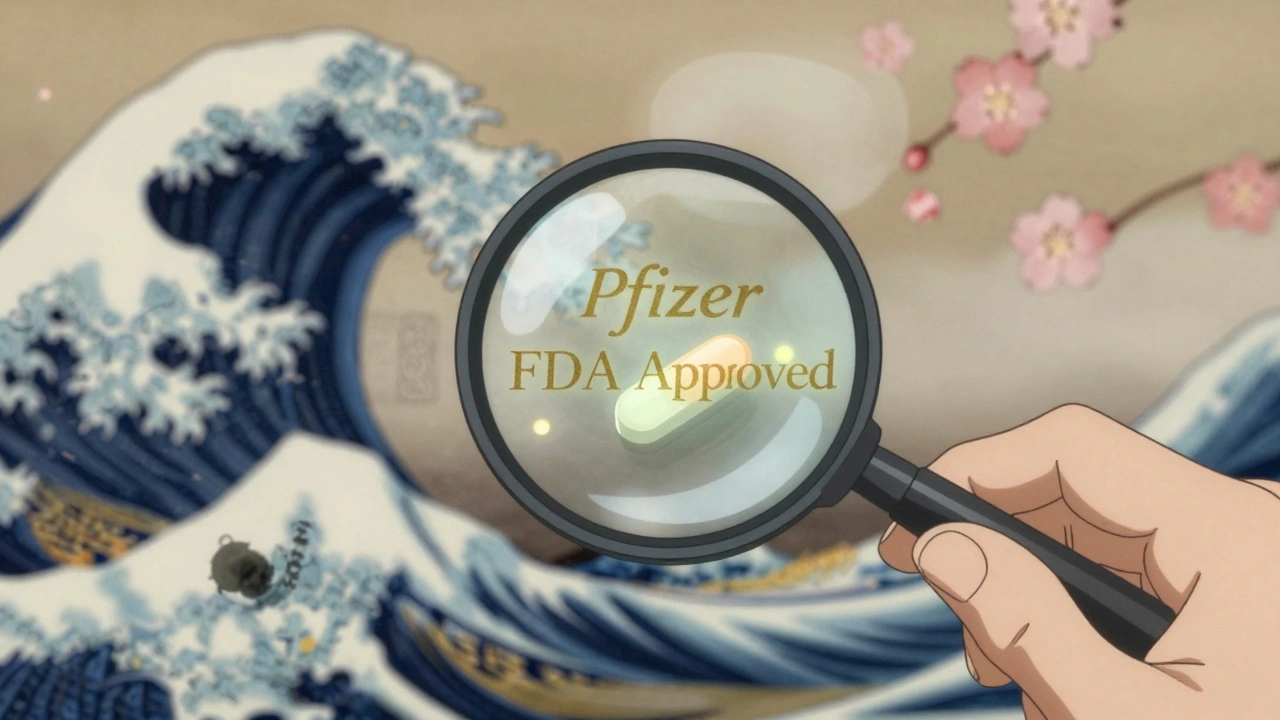
If you have access to a simple 10x magnifying loupe (available for under $50), you can spot things no smartphone camera can catch.- Microtext: Many real packages have tiny text printed on the seal or label-so small it looks like a solid line. Under magnification, it reads "Pfizer" or "FDA approved." Fakes often skip this or print it as a blurry smudge.
- Print quality: Real printing uses high-resolution lithography. Fakes use inkjet or laser printers. Look for pixelation around edges of letters or uneven ink density.
- Tablet imprints: If you’re holding a pill, examine the imprint. Genuine tablets have crisp, deep markings. Fakes often have shallow, uneven, or faded imprints. One Reddit user found counterfeit Adderall with imprints that were 20% shallower than real ones.
- Paper weight: Real packaging uses specific paper stock. Counterfeiters often use cheaper, thicker paper. One batch of fake Muro 128 packaging weighed 120gsm-genuine is 114gsm.
These aren’t guesses. These are documented differences reported by pharmacists, regulators, and labs. You don’t need a lab to spot them-you just need to look closer.
UV and Infrared Light: Hidden Clues
Many real medications include security features that only show up under special light.- UV light (blacklight): Shine a cheap UV flashlight (available online for $10) on the packaging. Genuine products often have invisible ink that glows blue, green, or yellow. Fake packaging rarely replicates this correctly-or misses it entirely.
- Infrared (IR) analysis: Some packaging uses IR-absorbing inks. When viewed under IR light, real packaging shows partial text or logos, while fakes show full text because they use regular ink. This was how Singapore authorities caught counterfeit Levitra packaging in 2015.
Don’t assume a glowing mark means it’s real. Some fakes now copy UV features too. But if nothing glows when it should-or if everything glows when only parts should-something’s wrong.
Barcodes, QR Codes, and Blockchain
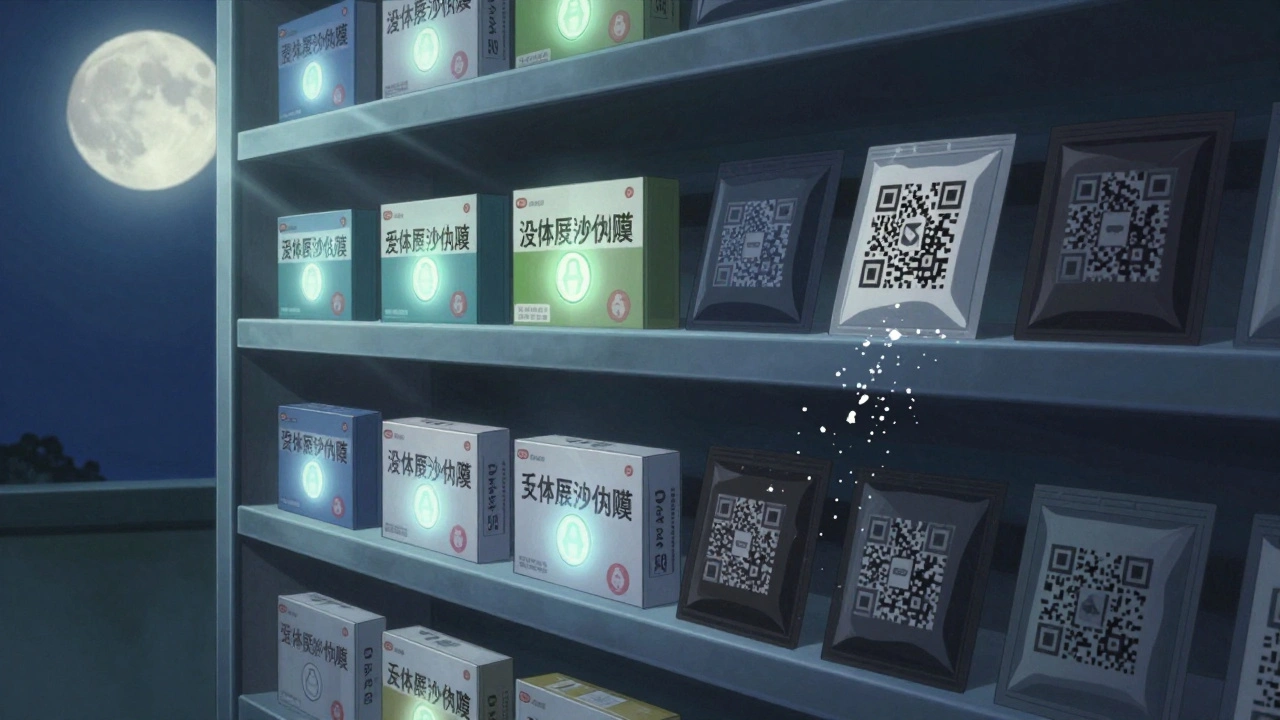
Most modern medications have a unique identifier. This could be a 2D barcode or QR code linked to a manufacturer’s verification portal.- Scan the code with your phone. Does it take you to the official manufacturer’s site? Or to a random website, a PDF, or a broken link?
- Check if the site asks for the batch number and expiration date. Legitimate systems verify the exact product you’re holding.
- If the code doesn’t scan at all, or gives an error like "Product not found," don’t take the medicine.
The U.S. Drug Supply Chain Security Act (DSCSA) requires serialization for all prescription drugs by 2023. In markets using this system, counterfeit infiltration dropped to 0.001%. In places without it, it’s still around 1.2%.
But here’s the catch: counterfeiters are now generating fake QR codes that link to fake verification sites. Always check the URL. Look for misspellings in the domain. Pfizer’s site is pfizer.com. A fake might be pfizer-support.com or pfizer-verify.net.
Advanced Tools (For Professionals)
Pharmacists and regulators use tools most consumers don’t have access to-but knowing they exist helps you understand why some fakes slip through.- Raman spectrometers: Handheld devices that analyze the chemical makeup of the pill or packaging. They can detect if a pill contains the right active ingredient-or if it’s just sugar and filler. Accuracy: 98.7%.
- LC-MS and NMR machines: Lab-grade tools that identify exact chemical compounds. Used in hospitals and regulatory labs. Takes hours, but 100% accurate.
- Molecular tagging: Companies like Applied DNA Sciences embed plant DNA markers into pills. A $500 field kit can detect them. Used by Merck in trials with 99.9% accuracy.
- AI-powered image recognition: New systems trained on 15,000 images of real and fake packaging can spot anomalies humans miss. Accuracy: 92.4%.
These aren’t for home use. But if you’re a pharmacist, nurse, or work in a clinic, investing in a handheld Raman device is becoming a standard safety practice.
What to Do If You Find Something Suspicious
Don’t throw it away. Don’t take it. Don’t return it to the seller.- Save the packaging. Keep the bottle, blister pack, and any labels-even if you didn’t buy it from a pharmacy.
- Report it. In Australia, contact the Therapeutic Goods Administration (TGA). In the U.S., use the FDA’s MedWatch program at 1-800-FDA-1088. In the EU, contact your national medicines agency.
- Don’t assume it’s a mistake. The FDA received 378 reports in 2022 of people discarding real medicine because they thought it was fake. That’s $4.2 million in wasted medication.
- Get a replacement. If you bought it from a pharmacy, ask for a new batch from a different lot number. If it’s from an online source, stop buying from them.
Most counterfeit drugs come from unregulated online pharmacies. The FDA warns that 96% of websites selling prescription drugs without a prescription are illegal. If a site doesn’t require a prescription, doesn’t have a physical address, or offers "discounts" that sound too good to be true-it’s probably fake.
How to Stay Safe
- Buy medication only from licensed pharmacies. Look for the VIPPS seal (U.S.) or the Australian Register of Therapeutic Goods (ARTG) logo.
- Never buy from social media ads, Instagram sellers, or WhatsApp groups.
- Use the manufacturer’s official website to verify where their products are sold.
- Ask your pharmacist to check the packaging when you pick up a new prescription.
- Sign up for recall alerts from your country’s health agency.
The most effective defense isn’t technology. It’s awareness. You don’t need a lab. You just need to slow down, look closely, and trust your gut.
Frequently Asked Questions
Can I tell if a pill is fake just by how it looks?
Sometimes, but not always. Many counterfeit pills look identical to the real thing. Subtle differences-like imprint depth, color shade, or alignment-require close inspection. A 10x loupe helps. If you’re unsure, don’t take it. Contact your pharmacist or health agency.
Are holograms on medicine packaging reliable?
No. Counterfeiters have copied 83% of holograms used in the 2010s. A shiny sticker doesn’t mean it’s real. Always check other features like microtext, UV ink, and QR codes. Holograms are just one layer of security-not proof.
What if the barcode scans but the website looks weird?
Stop. Fake QR codes can lead to convincing-looking websites. Always check the URL. Legitimate manufacturer sites use their official domain (e.g., novartis.com, pfizer.com). If the URL has extra words, misspellings, or a strange domain like .xyz or .info, it’s fake.
Can I use my phone camera to detect fake packaging?
Your phone can scan QR codes and take close-up photos, but it can’t detect UV ink, IR features, or microtext. Use it to check links and compare images, but don’t rely on it alone. A UV flashlight ($10) and a $50 loupe are more useful.
Why do some people get sick from fake medication?
Counterfeit pills often contain no active ingredient-or the wrong one. Some have toxic fillers like drywall dust, rat poison, or fentanyl. Others have too much of the drug, causing overdose. Fake Ozempic has been found with no semaglutide at all. Fake Adderall sometimes contains amphetamines not approved for medical use.
Is it safe to buy medication online?
Only if it’s a licensed pharmacy with a physical address, a verifiable phone number, and requires a prescription. Websites like PharmacyChecker.com can help you verify legitimacy. If it’s a social media ad, a WhatsApp seller, or offers "discounts" without a script, it’s almost certainly fake.
Next Steps
If you’ve ever bought medication online-or are considering it-take five minutes today to verify your pharmacy. Check the TGA or FDA registry. Print out the manufacturer’s packaging guide. Keep a UV flashlight in your medicine cabinet. These small steps can save your life.Counterfeiters are getting smarter. But so are we. The tools are out there. The knowledge is free. You just need to use it.

Aman deep
December 12, 2025 AT 06:29man i just bought some Adderall off a guy on instagram last month 😬 i thought the pills looked kinda off but i was desperate and figured 'it's probably fine'... turns out the imprint was way too shallow and the color was slightly darker. i tossed 'em but now i'm paranoid about every med i touch. thanks for this post, seriously.
Jimmy Kärnfeldt
December 13, 2025 AT 16:19it's wild how much trust we put in packaging these days. we assume if it looks official, it is official. but the truth? the bad guys are now better designers than most pharma marketing teams. i used to think holograms were foolproof... now i know they're just fancy stickers. the real security is in the microtext and uv ink. simple tools, huge difference.
Eddie Bennett
December 14, 2025 AT 18:23my uncle took fake Lipitor for three months. he didn't feel any different, so he kept taking it. turned out his cholesterol was sky-high and he had a minor stroke. no one knew until the pharmacy flagged the batch. it looked 100% real. the only clue? the batch number was printed 0.5mm too far right. i carry a $15 loupe in my wallet now. weird? maybe. lifesaving? absolutely.
Vivian Amadi
December 14, 2025 AT 19:46why are people still buying meds off whatsapp? are you braindead? if you don't know how to check a QR code, maybe you shouldn't be self-medicating. this isn't a conspiracy-it's basic safety. your life isn't a gamble.
Ariel Nichole
December 15, 2025 AT 22:01just got my new prescription and i checked the bottle with my phone and a uv light-no glow. called the pharmacy and they replaced it immediately. they were super cool about it. point is: don't be embarrassed to ask. pharmacists want you to double-check. it's literally their job to help you stay safe.
Taylor Dressler
December 16, 2025 AT 13:51the FDA’s MedWatch portal is underutilized. in 2023, they received only 1,200 reports of counterfeit drugs-yet estimates suggest over 100,000 cases occur annually. most people don’t report because they think 'it’s just one bottle.' but each report helps track supply chain breaches. if you find something suspicious, report it. it’s not a hassle-it’s civic duty.
Aidan Stacey
December 17, 2025 AT 09:09my sister works in a rural clinic in Texas. they had a patient come in with fake Ozempic. the packaging had the right logo, the right colors, even the right QR code-but the UV ink didn't glow. they called the manufacturer, who confirmed it was counterfeit. turns out the batch came from a 'pharmacy' in Mexico that had a fake website with a .com domain that looked identical to the real one. this isn't sci-fi. it's happening in your town.
Courtney Blake
December 18, 2025 AT 06:27you people are so naive. the real problem isn't fake meds-it's the U.S. healthcare system forcing people to buy online because they can't afford prescriptions. blame the pharma giants, not the desperate. and stop acting like a $10 UV light is some kind of superhero tool. it's a band-aid on a gunshot wound.